
Are you curious about how much money a self-serve car wash can bring in? If you’re thinking about starting one or just want to understand its earning potential, you’re in the right place.
Knowing how much a self-serve car wash makes can help you decide if it’s a smart investment for your future. You’ll discover the key factors that affect profits and what you can realistically expect to earn. Keep reading to uncover the numbers behind this business and see if it’s the right fit for you.

Credit: www.carwash.com
Revenue Streams
Understanding the revenue streams of a self serve car wash is crucial if you want to maximize your earnings. Your income won’t come from just one source; instead, it’s a blend of different pricing strategies and additional services that boost your total revenue. Knowing how to balance these streams can make a big difference in your monthly profits.
Service Pricing Models
Setting the right prices is key to attracting customers while making a profit. Most self serve car washes use a tiered pricing model. This means you offer multiple wash options, each with different features and prices.
- Basic Wash:Usually priced low, this option includes simple soap and rinse. It brings in frequent customers who want a quick clean.
- Deluxe Wash:Priced higher, it adds wax, tire shine, and extra brushes. Customers who want more value often choose this.
- Premium Wash:The highest-priced option with all features plus specialty cleaning agents. It targets car enthusiasts willing to pay more.
You might wonder, how do you decide the right price for each tier? Look at competitor prices in your area and test different rates. Small adjustments can reveal what customers are willing to pay without turning them away.
Additional Income Sources
Beyond wash fees, several other income streams can increase your earnings without much extra effort. Many operators add vending machines that sell air fresheners, towels, or car care products. These items are convenient and often bought impulsively.
Another way to boost revenue is by offering coin-operated vacuum stations. Customers appreciate the convenience and pay extra for a complete clean experience. You can also charge for premium features like carpet shampooing or engine cleaning.
Some owners rent space for advertising, either on-site signs or digital screens, creating a passive income stream. Think about your location—could local businesses benefit from advertising to your customers?
Have you considered loyalty programs or monthly memberships? They encourage repeat visits and provide steady cash flow. These small additions might seem minor but can add up quickly over time.

Credit: kuolong888.en.made-in-china.com
Operating Costs
Understanding the operating costs of a self-serve car wash is essential for gauging its profitability. These costs directly affect your bottom line and can vary depending on location, equipment quality, and service offerings. Let’s break down the key expenses you should expect to manage regularly.
Maintenance And Utilities
Maintenance is a constant in the car wash business. Equipment like pumps, brushes, and water systems need regular checks to avoid costly breakdowns. Ignoring small repairs can lead to bigger, more expensive problems down the road.
Utilities, especially water and electricity, make up a large chunk of your monthly bills. Water usage can spike during busy days, so investing in water-efficient technology might save you money over time. Have you considered how much energy your machines consume during peak hours?
Labor And Supplies
Though self-serve car washes require less staff than full-service ones, some labor costs remain. You’ll need employees for cleaning, restocking supplies, and assisting customers occasionally. These tasks keep your facility running smoothly and customers coming back.
Supplies like soap, wax, and cleaning chemicals are ongoing expenses that directly impact the quality of your service. Choosing the right suppliers can lower costs without sacrificing product effectiveness. Are you tracking your supply usage closely enough to spot waste or theft?
Profit Margins
Profit margins are key to understanding how much a self serve car wash can earn. They show the difference between income and expenses. Higher profit margins mean more money stays in the business after paying bills. This helps owners plan for growth and cover costs like maintenance and utilities.
Self serve car washes often have lower overhead than full-service washes. That means they can keep a larger share of their earnings. Still, profit margins vary depending on many factors. Location, equipment, and customer traffic all play a role.
Average Earnings Per Location
On average, a self serve car wash location makes between $30,000 and $70,000 in profit each year. This depends on how busy the site is and the prices charged. Locations in high-traffic areas usually earn more. Busy urban spots can see profits closer to the top range.
Many self serve car washes charge by the minute or use tokens. This steady income adds up as customers wash cars throughout the day. Some owners report monthly profits of $2,500 to $6,000 per location. This steady cash flow helps keep the business stable.
Factors Affecting Profitability
- Location:High traffic areas bring more customers and higher profits.
- Equipment quality:Efficient machines reduce water and electricity costs.
- Maintenance:Regular upkeep prevents costly repairs and downtime.
- Pricing strategy:Competitive prices attract more customers without cutting profits too much.
- Seasonal changes:Weather affects customer visits, especially in colder months.
- Marketing:Local advertising can increase awareness and customer visits.
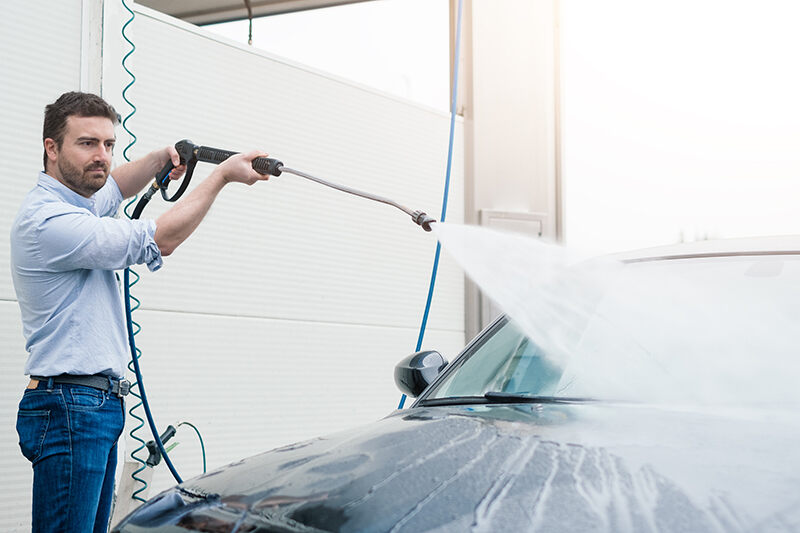
Credit: www.carwash.com
Maximizing Earnings
Maximizing earnings at a self serve car wash requires smart strategies. Small changes can bring steady income growth. Focus on attracting new customers and keeping regulars happy. Both are key to higher profits.
Marketing Strategies
Effective marketing draws more customers to your car wash. Use clear signs and bright lighting to catch attention. Offer local promotions or discounts to encourage visits. Social media posts can spread the word quickly. Partner with nearby businesses for joint deals. Flyers and local ads also help reach your audience.
Upselling And Customer Retention
Upselling means offering extra services or products. Provide options like wax, tire shine, or vacuum use. Display these clearly at each station. Train staff to suggest upgrades politely. Keep customers coming back with loyalty cards or rewards. Clean facilities and friendly service build trust. Happy customers spend more and refer friends.
Frequently Asked Questions
How Much Profit Does A Self Serve Car Wash Make?
A self serve car wash typically makes $20,000 to $50,000 monthly in revenue. Profit depends on location, expenses, and customer volume.
What Factors Affect Self Serve Car Wash Income?
Income varies by equipment quality, location, operating hours, local competition, and maintenance costs. Better services attract more customers and higher profits.
How Long Does It Take To Break Even On A Car Wash?
Most self serve car washes break even within 1 to 3 years. Profitability depends on initial investment and steady customer flow.
Can A Self Serve Car Wash Generate Passive Income?
Yes, it can offer semi-passive income if well-maintained. Minimal staff is needed, reducing operational costs and increasing profit margins.
Conclusion
A self serve car wash can earn a steady income. Earnings depend on location, size, and customer flow. Keeping equipment in good shape helps attract more users. Lower costs make it easier to turn a profit. Planning and managing expenses are key to success.
This business suits those wanting flexible, low-maintenance work. Understanding how much it makes guides your decision well. Think about your goals and local demand first. A self serve car wash offers a practical way to earn money.