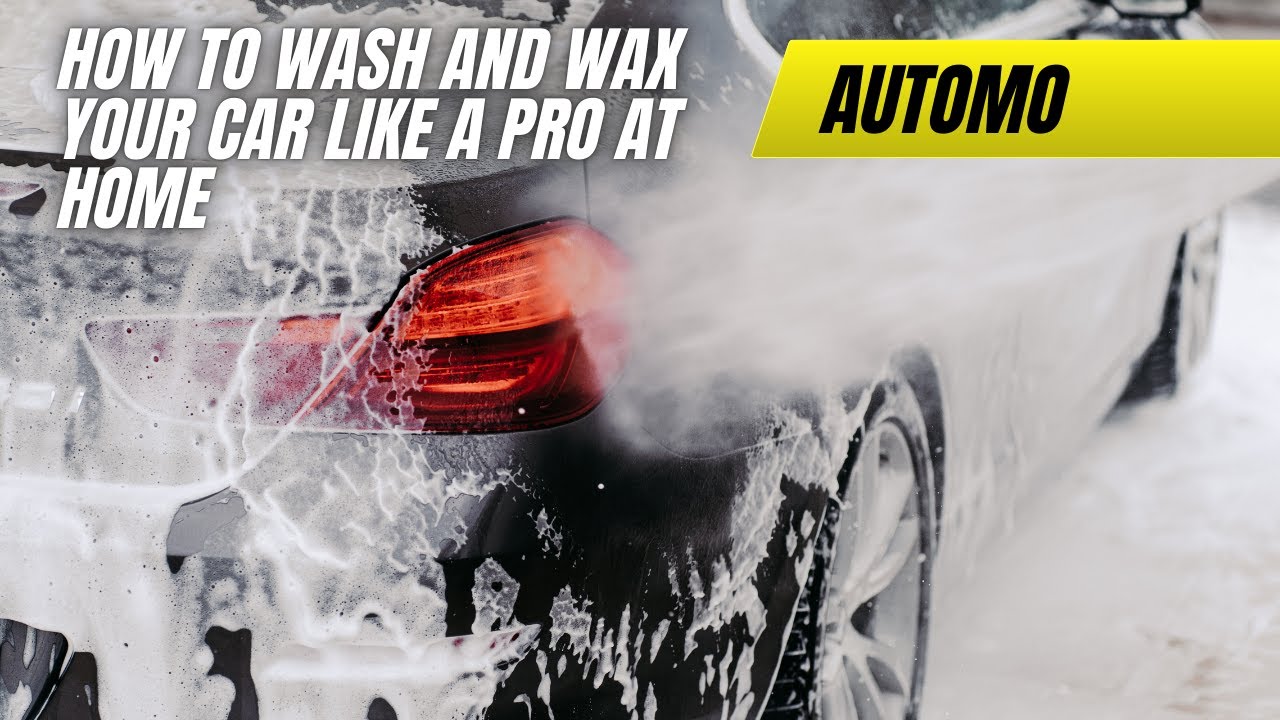
Want your car to look shiny and new without spending a fortune? Waxing your car is one of the easiest and most effective ways to protect its paint and keep it looking great.
But how do you wax your car properly to get the best results? If you’re ready to learn a simple step-by-step process that anyone can follow, you’re in the right place. Keep reading, and you’ll discover the secrets to making your car shine like never before.
Preparing Your Car
Preparing your car properly is the foundation of a successful waxing job. Skipping or rushing this stage can lead to uneven wax application and poor protection. Taking the time to clean and dry your car carefully, and selecting the right environment, ensures your wax adheres well and shines beautifully.
Cleaning And Washing
Start by removing all dirt, grime, and old wax from your car’s surface. Use a high-quality car shampoo and a soft sponge or microfiber mitt to avoid scratching the paint. Pay special attention to the wheels and lower panels where dirt tends to accumulate.
Don’t forget to rinse thoroughly with clean water to avoid soap residue. I once skipped rinsing properly and ended up with streaky spots after waxing—it’s a small step that makes a big difference.
Drying Techniques
Dry your car completely before applying wax. Use a clean, soft microfiber towel to gently pat the surface dry rather than rubbing, which can cause micro-scratches. Avoid air-drying as it often leaves water spots that can interfere with the wax.
Consider using a leaf blower or compressed air to reach tight areas and gaps. This approach speeds up drying and ensures no moisture hides in crevices.
Choosing The Right Environment
Wax your car in a shaded, well-ventilated area to prevent the wax from drying too fast. Direct sunlight can cause the wax to cure unevenly, making it harder to buff off. A cool, dry day is ideal—humidity and dust can ruin your hard work.
Think about your workspace: is it clean and free from dust? Even tiny particles can stick to the wax and dull the finish. Setting up in a garage or under a canopy often gives you the best control over these factors.

Credit: carfromjapan.com
Selecting The Wax
Choosing the right wax can make a huge difference in how your car looks and protects over time. Not all waxes are the same, and understanding their differences helps you pick one that fits your needs and your car’s condition. Let’s break down what you should look for when selecting wax for your vehicle.
Types Of Car Wax
There are several types of car waxes available, each with unique features:
- Carnauba Wax:Known for its deep, warm shine and natural ingredients. It offers excellent protection but usually requires more frequent application.
- Synthetic Wax (Sealants):Made from polymers, these waxes provide longer-lasting protection and are easier to apply. They may lack the rich glow of carnauba but excel in durability.
- Liquid Wax:Easier to apply and spread over large surfaces quickly. Ideal if you want convenience without sacrificing much shine.
- Paste Wax:Offers a thicker coat and often gives a richer finish. It takes more effort but can be more rewarding if you enjoy the process.
Which type do you think matches your lifestyle and car care routine? If you prefer quick results, synthetic or liquid wax might suit you better.
Wax Ingredients And Benefits
Look at the ingredients to understand what you’re putting on your car. Carnauba wax is prized for its natural origin and the warm glow it imparts. However, it’s less resistant to harsh weather and requires regular upkeep.
Synthetic waxes contain polymers that bond tightly to your paint, offering better protection against UV rays, road salt, and dirt. They usually last longer, making them a practical choice for busy car owners.
Some waxes include added oils or conditioners that help maintain the paint’s softness and prevent cracking. Others might contain fillers to hide minor scratches temporarily. What benefit matters most to you: shine, protection, or ease of use?
Tools Needed For Application
Choosing the right tools can make waxing easier and more effective. Here’s what you need:
- Applicator Pads:Soft foam or microfiber pads help spread wax evenly without scratching your paint.
- Microfiber Towels:Essential for buffing off wax residue and achieving a streak-free shine.
- Detailing Clay (optional):Removes surface contaminants before waxing, allowing wax to bond better.
- Spray Bottle with Water (optional):Keeps the pad slightly damp to prevent wax from clumping during application.
Investing in quality tools not only makes the process smoother but also improves your final results. Have you ever tried waxing without the right tools and noticed uneven finish? Proper supplies can change everything.
Applying The Wax
Applying wax to your car gives it a smooth, shiny finish and protects the paint. This step needs patience and careful work. Proper application helps the wax bond well with the surface. That makes the protection last longer and look better.
Use clean tools and work in a shaded area to avoid quick drying. Spread the wax evenly and gently. Take your time to cover every part of the car without missing spots.
Step-by-step Application Process
- Start with a clean, dry car surface.
- Apply a small amount of wax onto a foam applicator or microfiber cloth.
- Work in small sections, about 2×2 feet each.
- Use circular motions to spread the wax evenly.
- Apply a thin layer; do not overload the surface.
- Let the wax dry to a haze, usually 5 to 10 minutes.
- Use a clean microfiber towel to buff the wax off.
- Buff in gentle circular motions for a shiny finish.
- Repeat for all car sections until fully covered.
Common Mistakes To Avoid
- Applying wax on a dirty or wet surface.
- Using too much wax at once, causing streaks.
- Not letting wax dry properly before buffing.
- Buffing with a dirty or rough cloth.
- Skipping hard-to-reach areas like door edges.
- Waxing under direct sunlight, causing uneven drying.
- Rushing the process and missing spots.
Tips For Even Coverage
- Work in small, manageable sections.
- Use light, circular motions for spreading wax.
- Apply thin layers to avoid buildup.
- Check your work in good lighting to spot missed areas.
- Use high-quality applicators and towels for smooth results.
- Maintain steady pressure for consistent coverage.
- Buff immediately after wax hazes to prevent hard residue.

Credit: www.carparts.com
Maintaining The Shine
Keeping your car’s wax looking fresh is key to preserving that showroom shine. Wax doesn’t last forever, so knowing how to maintain it can save you time and money. Plus, a well-maintained wax layer protects your paint from harsh elements and keeps your vehicle turning heads.
Frequency Of Waxing
How often you should wax depends on your car’s exposure to weather and driving conditions. If you park outdoors regularly, waxing every 6 to 8 weeks keeps your paint guarded against UV rays and contaminants. For garage-kept cars, a wax job every 3 months is usually enough.
Watch out for signs like water not beading up or the surface feeling rough—these indicate it’s time for a fresh coat. Have you noticed your car’s shine fading faster than expected? Adjust your waxing schedule accordingly.
Quick Touch-up Methods
Between full waxes, quick touch-ups can restore that glossy finish without the hassle. Spray-on waxes are your best friend here—they apply easily and dry fast.
- Wash your car and dry it thoroughly.
- Spray the wax evenly on small sections.
- Buff with a microfiber cloth in circular motions.
This approach saves time and keeps your car looking freshly waxed. Ever tried a quick spray wax after a weekend trip? It’s surprisingly effective at removing light dust and water spots.
Protecting Your Wax Job
After waxing, simple habits help your shine last longer. Avoid washing your car with harsh detergents or automatic car washes that use abrasive brushes.
- Opt for gentle, pH-balanced car shampoos.
- Use soft microfiber towels for drying and buffing.
- Park in shaded areas to reduce sun exposure.
These small steps prevent premature wax breakdown. How often do you check your car for contaminants like bird droppings or tree sap? Removing these quickly protects both the wax and paint underneath.

Credit: www.youtube.com
Frequently Asked Questions
How Often Should You Wax Your Car?
Wax your car every three to four months. This frequency protects the paint and maintains shine. Regular waxing prevents dirt buildup and fading. Adjust frequency based on climate and car usage for best results.
What Tools Do You Need To Wax A Car?
You need car wax, a microfiber cloth, applicator pads, and a buffer (optional). Clean your car before waxing. Use soft cloths to avoid scratches. These tools ensure an even, smooth wax application.
Can Waxing Fix Scratches On A Car?
Waxing does not fix deep scratches. It can hide minor swirl marks and light scratches temporarily. For deeper damage, consider polishing or professional repair. Wax mainly protects and enhances the car’s paint.
Is It Better To Wax By Hand Or Machine?
Both methods work well. Hand waxing offers more control and is cost-effective. Machine waxing is faster and provides an even coat. Choose based on your experience, time, and equipment available.
Conclusion
Waxing your car protects its paint and keeps it shiny longer. Clean the surface well before you start waxing. Use small, circular motions to spread the wax evenly. Let the wax dry to a haze before buffing it off. Regular waxing helps prevent damage from dirt and weather.
It also makes washing your car easier. Take your time and enjoy the process. A well-waxed car looks fresh and cared for. Simple steps lead to great results. Try waxing your car today for a smooth, glossy finish.