
Are you wondering if an RV cover is really worth it? Protecting your RV is important, but you might be unsure if a cover can make a difference.
Imagine saving your vehicle from harsh weather, dirt, and scratches without spending a fortune. If you want to keep your RV looking new and avoid costly repairs, this article is for you. Keep reading to discover the real benefits—and potential downsides—of using an RV cover before making your decision.
Benefits Of Using Rv Covers
Using an RV cover offers several practical benefits that directly impact the longevity and appearance of your vehicle. Taking a few moments to cover your RV can save you time, money, and stress down the road. Let’s look at how these covers protect your investment in everyday situations.
Shielding From Weather Elements
RV covers act as a barrier against rain, snow, and hail. You don’t want water seeping into cracks or causing rust over time. A good cover keeps moisture away, preventing costly damage and maintenance headaches.
Think about the last time your RV sat through a heavy storm uncovered. Did you notice any water stains or damp spots afterward? Covering your RV regularly can help you avoid those issues.
Preventing Dirt And Debris Accumulation
Leaves, bird droppings, and dirt can build up quickly, especially if your RV stays parked for weeks. Cleaning off this grime takes effort and can scratch your paint if you’re not careful.
An RV cover keeps most debris off your vehicle, so you spend less time scrubbing and more time enjoying your trips. Plus, it helps maintain that clean, fresh look.
Protecting Against Uv Damage
Sunlight’s UV rays can fade paint, crack seals, and deteriorate rubber parts. This damage happens slowly but adds up over seasons.
Covering your RV shields it from constant sun exposure, preserving its color and structural integrity. Have you noticed how an uncovered RV looks older faster? A cover can slow down that aging process and keep your RV looking newer longer.
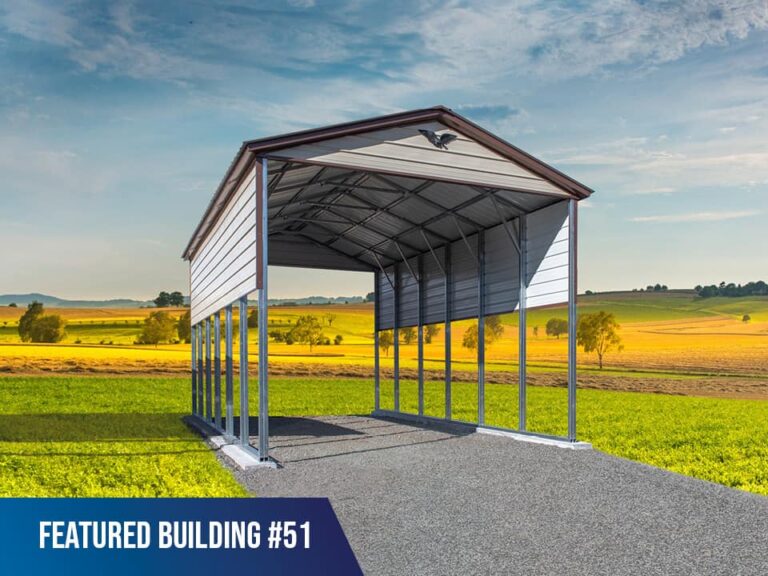
Credit: www.metalcarports.com
Choosing The Right Rv Cover
Choosing the right RV cover is crucial to protecting your investment effectively. The cover you pick can make a big difference in how well your RV withstands weather, dirt, and wear over time. Understanding key features like material, fit, and breathability will help you make a smarter choice.
Material Types And Durability
RV covers come in a variety of materials, each offering different levels of protection and longevity. Heavy-duty polyester and polypropylene are common for their resistance to UV rays and tearing. If you park your RV in a harsh climate, look for covers with multiple layers for added durability.
Some covers include a soft inner lining to prevent scratches, which is essential if you plan to leave the cover on for extended periods. Think about how often you use your RV and the conditions it faces to decide which material fits your lifestyle best.
Size And Fit Considerations
A cover that’s too loose can flap in the wind and cause damage, while one that’s too tight might be difficult to put on or remove. Make sure you know your RV’s exact dimensions before choosing a cover. Many manufacturers offer custom-fit options, which can save you from frustration down the road.
Consider features like adjustable straps or elastic hems to secure the cover firmly. Have you ever struggled with a cover blowing off in a storm? A good fit can prevent that problem entirely.
Breathability And Moisture Control
Moisture trapped under a cover can lead to mold and mildew, damaging your RV’s exterior and interior. Look for covers designed with breathable fabrics or ventilation panels to allow airflow while keeping rain out. This balance helps prevent condensation buildup and keeps your RV dry.
Ask yourself if your RV is stored in a humid area, as this will impact your cover choice. Proper moisture control extends the life of your RV and reduces maintenance headaches.
Tips For Proper Rv Cover Use
Using an RV cover correctly can extend your vehicle’s life and keep it looking great. Proper care and handling protect your RV from weather damage and dirt. Follow simple tips to ensure the cover works well and lasts long.
Cleaning And Maintenance
Keep the RV cover clean to avoid stains and damage. Wash it gently with mild soap and water. Avoid harsh chemicals that can weaken the fabric. Let the cover dry completely before folding or storing it. Check regularly for tears or loose seams and fix them quickly.
Correct Installation Techniques
Place the cover carefully over the RV to prevent scratches. Secure it tightly but avoid pulling too hard. Use straps or tie-downs to keep the cover from blowing away. Make sure air vents are open to stop moisture build-up. Adjust the cover to avoid rubbing on sharp edges.
Storage Recommendations
Store the RV cover in a dry, cool place when not in use. Fold it neatly to prevent creases and damage. Avoid placing heavy items on top of the cover. Use a storage bag or container to keep dust and pests away. Check the cover before each use to ensure it is clean and intact.
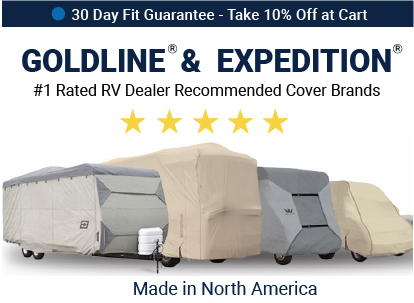
Credit: www.nationalrvcovers.com
Frequently Asked Questions
Are Rv Covers Worth The Investment?
RV covers protect your vehicle from weather, debris, and UV rays. They prevent paint fading and reduce maintenance costs. Investing in a quality cover extends your RV’s lifespan and maintains its resale value, making it a smart choice for most owners.
Can Rv Covers Prevent Water Damage?
Yes, RV covers help prevent water damage by repelling rain and snow. They keep moisture off your RV’s surface, reducing risks of mold, mildew, and rust. Proper ventilation in covers also ensures trapped moisture doesn’t accumulate, protecting your RV effectively.
How Often Should I Use An Rv Cover?
Use your RV cover whenever your vehicle is parked outdoors for extended periods. Daily use during storage or seasonal parking helps protect against environmental damage. Removing it during travel or in windy conditions prevents wear and tear on the cover and your RV.
Do Rv Covers Protect Against Uv Rays?
RV covers provide excellent UV protection, blocking harmful rays from damaging your RV’s paint and interior. This protection reduces fading and cracking caused by sun exposure. Using a UV-resistant cover is essential for preserving your RV’s appearance and value.
Conclusion
RV covers protect your vehicle from sun, rain, and dirt. They help keep your RV clean and reduce wear. Covers can save money on repairs over time. Not all covers fit every RV, so choose carefully. Using a cover means less time cleaning before trips.
They also prevent damage from bird droppings and tree sap. Overall, RV covers offer good protection and peace of mind. Consider your needs and climate before buying one. A cover can extend your RV’s life and keep it looking nice.
Worth the investment for many RV owners.