
Are you wondering how to keep your all-wheel drive car running smoothly and safely? One simple step you might be overlooking is rotating your tires regularly.
Proper tire rotation not only extends the life of your tires but also improves your car’s handling and fuel efficiency. If you want to save money and avoid unexpected problems on the road, knowing how to rotate tires on your all-wheel drive car is essential.
Keep reading, and you’ll learn the easy steps to do it yourself or what to ask your mechanic to ensure your tires wear evenly and your car stays in top shape.
Preparing For Tire Rotation
Preparing for tire rotation on your all-wheel-drive car is essential to ensure the process goes smoothly and safely. Taking time to get organized and inspect your tires can save you from unexpected issues later. Are you ready to handle this task with confidence?
Tools And Equipment Needed
Gathering the right tools before you start makes the job easier and safer. You will need:
- A reliable car jack capable of lifting your vehicle’s weight
- Jack stands to securely hold the car once lifted
- A lug wrench or tire iron for loosening and tightening lug nuts
- A torque wrench to ensure lug nuts are tightened to manufacturer specifications
- Gloves to protect your hands and a flashlight if working in low light
Having these items ready helps you avoid interruptions and keeps everything organized.
Safety Precautions
Your safety is the top priority during tire rotation. Always work on a flat, stable surface to prevent the car from shifting. Never rely solely on the car jack; use jack stands to support the vehicle securely.
Before lifting, engage the parking brake and place wheel chocks behind the wheels that remain on the ground. This extra step stops any movement and keeps you safe while you work under the car.
Checking Tire Condition
Before rotating, take a close look at each tire’s condition. Check for uneven wear, cuts, or embedded objects that might cause future problems. Measuring tread depth with a gauge helps you know if any tire is too worn and needs replacement rather than rotation.
Noticing unusual wear patterns can also hint at alignment or suspension issues. Addressing these problems early can save you money and improve your vehicle’s performance.
Credit: www.michelin.ca
Step-by-step Rotation Process
Rotating tires on an all-wheel-drive car helps balance wear and extends tire life. The process needs care to keep your vehicle safe and performing well. Follow these clear steps for a smooth tire rotation.
Lifting The Vehicle Safely
Park your car on a flat, solid surface. Engage the parking brake to stop the car from moving. Use wheel chocks on the wheels that stay on the ground. Locate the vehicle’s jack points, usually found near each tire.
Place the jack under the jack point and lift the car. Raise it high enough to remove tires easily. Support the vehicle with jack stands for safety. Never rely on the jack alone.
Removing And Marking Tires
Use a lug wrench to loosen the lug nuts. Turn them counterclockwise but do not remove all at once. Remove the nuts and take off the tire carefully. Mark each tire with its original position using chalk or tape.
Marking helps to track where each tire came from. Store the tires in a safe place before rotating. Repeat the process for all tires.
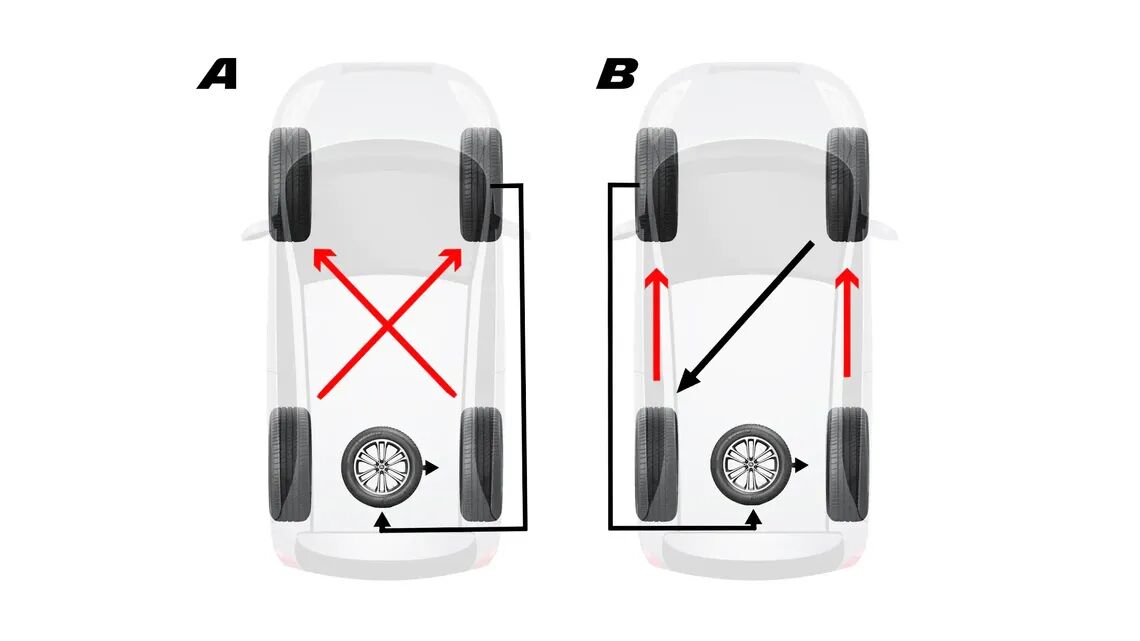
Rotating Tires Correctly For Awd
All-wheel-drive cars need a special rotation pattern. The general rule is to move front tires straight back. Move rear tires to the opposite front positions.
- Front left tire → Rear left position
- Front right tire → Rear right position
- Rear left tire → Front right position
- Rear right tire → Front left position
This pattern helps even out tire wear and keeps the AWD system balanced. Once tires are in their new spots, hand-tighten the lug nuts. Lower the vehicle and then fully tighten the nuts in a star pattern.
Post-rotation Checks
After rotating the tires on your all-wheel drive car, there are crucial checks you need to perform to ensure safety and performance. These post-rotation steps help prevent uneven wear, maintain balance, and keep your vehicle running smoothly. Skipping these checks can lead to costly repairs or unsafe driving conditions.
Tightening Lug Nuts Properly
Securing the lug nuts with the right torque is essential. Too loose, and your wheel might wobble; too tight, and you risk damaging the studs. Use a torque wrench and follow your car’s manual for the exact specification.
Try tightening lug nuts in a star pattern. This evenly distributes pressure and helps the wheel sit properly on the hub. After driving a few miles, recheck the tightness to confirm nothing has loosened.
Balancing And Alignment Tips
Rotating tires can affect balance and wheel alignment, especially on AWD vehicles where even wear is crucial. Unbalanced tires cause vibrations and uneven tread wear, impacting your car’s handling.
If you feel any shaking or notice your car pulling to one side, it’s a sign to get a professional balance and alignment check. Many tire shops offer this service, and it’s worth the investment to extend tire life and improve safety.
Maintaining Tire Health
After rotation, keep an eye on tread depth and tire pressure regularly. Proper inflation prevents premature wear and improves fuel efficiency. Use a tire pressure gauge at least once a month and before long trips.
Also, inspect tires for cuts, bulges, or objects stuck in the tread. Catching these early can save you from unexpected flats. How often do you check your tires beyond just refilling air? Making it a habit can prevent many common tire issues.

Credit: www.youtube.com

Credit: www.kcarcare.com
Frequently Asked Questions
How Often Should I Rotate Tires On An Awd Car?
Rotate AWD tires every 5,000 to 7,000 miles. Regular rotation ensures even tire wear and maintains traction and handling.
What Is The Best Tire Rotation Pattern For Awd Vehicles?
Use the cross pattern for AWD cars. Move rear tires to the front and front tires to the opposite rear sides.
Can Uneven Tire Wear Damage My Awd System?
Yes, uneven wear stresses the AWD system. Rotating tires prevents drivetrain strain and costly repairs by keeping tire tread balanced.
Do I Need Special Tools For Awd Tire Rotation?
No special tools are required. Basic tools like a jack, lug wrench, and torque wrench are sufficient for tire rotation.
Conclusion
Rotating tires on an all-wheel-drive car helps them wear evenly. This keeps your car safe and improves its performance. Regular tire rotation also extends the life of your tires. Check your car’s manual for the right rotation pattern. Doing this task every 5,000 to 7,000 miles works well.
It saves money by avoiding early tire replacement. Simple steps make the process easy and quick. Keep your tires in good shape for a smoother, safer ride.