
Are you wondering if RV covers can truly keep your vehicle dry and protected? You’ve invested a lot in your RV, and the last thing you want is water damage ruining it.
But not all covers are created equal. Understanding whether your RV cover is waterproof can save you time, money, and headaches. Keep reading to discover how to choose the right cover that shields your RV from rain, moisture, and more—so you can enjoy peace of mind every time you hit the road or park for a season.
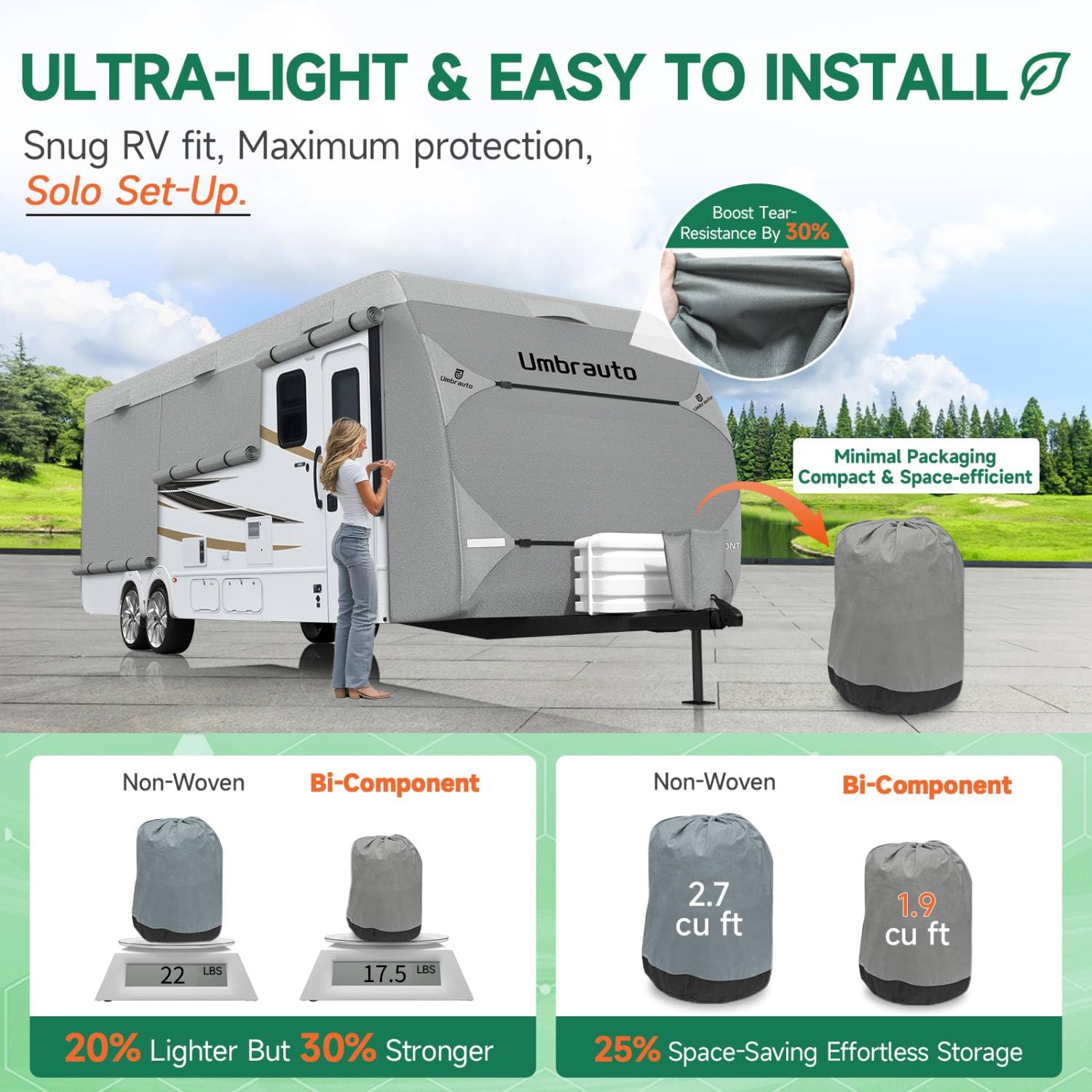
Credit: www.amazon.ca
Types Of Rv Covers
Choosing the right RV cover can protect your investment and keep your vehicle in great shape. But not all covers are built the same. Understanding the types of RV covers available helps you pick one that fits your needs, especially when it comes to water protection.
Materials Used
RV covers come in various materials, each offering different levels of durability and water resistance. Common options include:
- Polyester:Lightweight and affordable, it often has a waterproof coating but may wear down faster under harsh conditions.
- Polypropylene:Thicker and more durable, this material provides good water resistance and breathability.
- Vinyl:Heavy-duty and highly waterproof, but less breathable, which can trap moisture underneath if not used properly.
Think about the climate where you park your RV most often—does it rain a lot or stay dry? Your choice of material should match those conditions.
Design Variations
RV covers vary in design to suit different shapes and sizes of vehicles. You’ll find:
- Universal fit covers:These are made to fit a wide range of RVs but might not provide a snug fit.
- Custom-fit covers:Tailored to your specific RV model for maximum protection and less wind flapping.
- Full-body covers:Cover the entire RV, including the wheels and undercarriage.
- Partial covers:Focus on protecting the roof and upper sections, useful if you only want to shield from rain and sun.
Have you noticed how a loose cover can flap in the wind and cause damage? A well-fitting cover reduces that risk significantly.
Water Resistance Features
Not all RV covers repel water equally. Look for features such as:
- Waterproof coatings:Many covers are treated with special coatings to prevent water from soaking through.
- Sealed seams:Covers with sealed or taped seams stop water from leaking in at stitch points.
- Breathability:A good balance between waterproofing and breathability prevents moisture buildup inside the cover, which can cause mold.
Imagine leaving your RV covered after a heavy rainstorm—would trapped moisture cause more harm than good? Choosing covers with these water resistance features can make a big difference.
Waterproof Vs Water-resistant
Understanding the difference between waterproof and water-resistant is key when choosing an RV cover. These terms describe how well a cover protects against water. Many assume both mean the same, but they do not. Knowing their differences helps in picking the right cover for your needs.
Key Differences
- Waterproofmeans no water can pass through the material.
- Water-resistantmeans the cover can resist water to some degree but not fully block it.
- Waterproof covers use materials with sealed seams to stop water completely.
- Water-resistant covers often use tightly woven fabrics that slow water but may let it through in heavy rain.
Performance In Different Weather
Waterproof covers protect your RV in heavy rain or snow without leaking. They keep your vehicle dry and safe from water damage. Water-resistant covers work well in light rain or drizzle but may allow moisture inside during storms. Both help prevent dust and dirt but differ in handling strong weather.
Common Misconceptions
- Water-resistant does not mean waterproof.
- Some assume water-resistant covers can handle all rain types, which is incorrect.
- Waterproof covers are not always breathable, which may cause moisture build-up inside.
- Choosing a cover depends on your local climate and how often you use your RV.
Choosing The Right Cover
Choosing the right RV cover is essential to protect your vehicle from weather, dirt, and damage. The right cover keeps water out and shields your RV from sun, wind, and debris. Not all covers offer the same level of waterproofing or durability. Understanding key factors helps you pick a cover that fits your needs and environment.
Factors To Consider
- Material quality affects waterproofing and breathability.
- Check if the cover has sealed seams to prevent leaks.
- Size and fit ensure full protection without flapping in wind.
- Look for UV protection to guard against sun damage.
- Consider ease of installation and removal for convenience.
Maintenance Tips
Clean your RV cover regularly to remove dirt and debris. Use mild soap and water, avoiding harsh chemicals. Let the cover dry completely before folding to prevent mold. Store the cover in a dry place when not in use. Inspect seams and fabric for wear to ensure ongoing protection.
Budget And Longevity
Higher-priced covers often use better materials and last longer. A cheap cover may save money upfront but could wear out fast. Balance cost with durability based on your RV use and climate. Investing in a quality cover reduces repair costs over time. Think about how often you will use and store the cover.

Credit: www.amazon.ca

Credit: www.amazon.ca
Frequently Asked Questions
Are Rv Covers Completely Waterproof?
Most RV covers are water-resistant, not fully waterproof. They protect against rain but may allow moisture buildup, so ventilation is essential.
How Do Rv Covers Protect Against Water Damage?
RV covers shield your vehicle from rain and snow, reducing water exposure. Proper fit and material quality prevent leaks and mildew formation.
Can Waterproof Rv Covers Prevent Mold Growth?
Waterproof covers help reduce mold risk by keeping water out. However, good ventilation and regular cleaning are also crucial to prevent mold.
What Materials Make Rv Covers Waterproof?
Materials like polyester with PVC or polyurethane coatings offer strong water resistance. These fabrics repel water while remaining durable and breathable.
Conclusion
RV covers can protect your vehicle from rain and snow. Most covers use waterproof materials to keep water out. Still, some water might seep in during heavy storms. Choosing a high-quality cover improves water resistance a lot. Proper fit and secure fastening help stop water leaks.
Regularly checking your cover ensures it stays in good shape. A good RV cover helps keep your RV dry and safe. Consider your climate and storage needs when picking one. Protect your RV wisely with the right waterproof cover.