
Have you ever looked at the numbers on your car tires and wondered what they actually mean? Those tiny codes might seem confusing, but they hold important information about your tires’ size, speed rating, and performance.
Understanding these numbers can help you choose the right tires, keep your car safe, and even save money. Keep reading, and you’ll soon be able to decode those numbers like a pro—making your next tire purchase easier and smarter.
Credit: www.michelin.ca
Tire Size Breakdown
Understanding the numbers on car tires helps you choose the right fit. Each part of the tire size tells something important about the tire’s shape and size. This guide breaks down these numbers to make reading tire sizes simple.
Width And Aspect Ratio
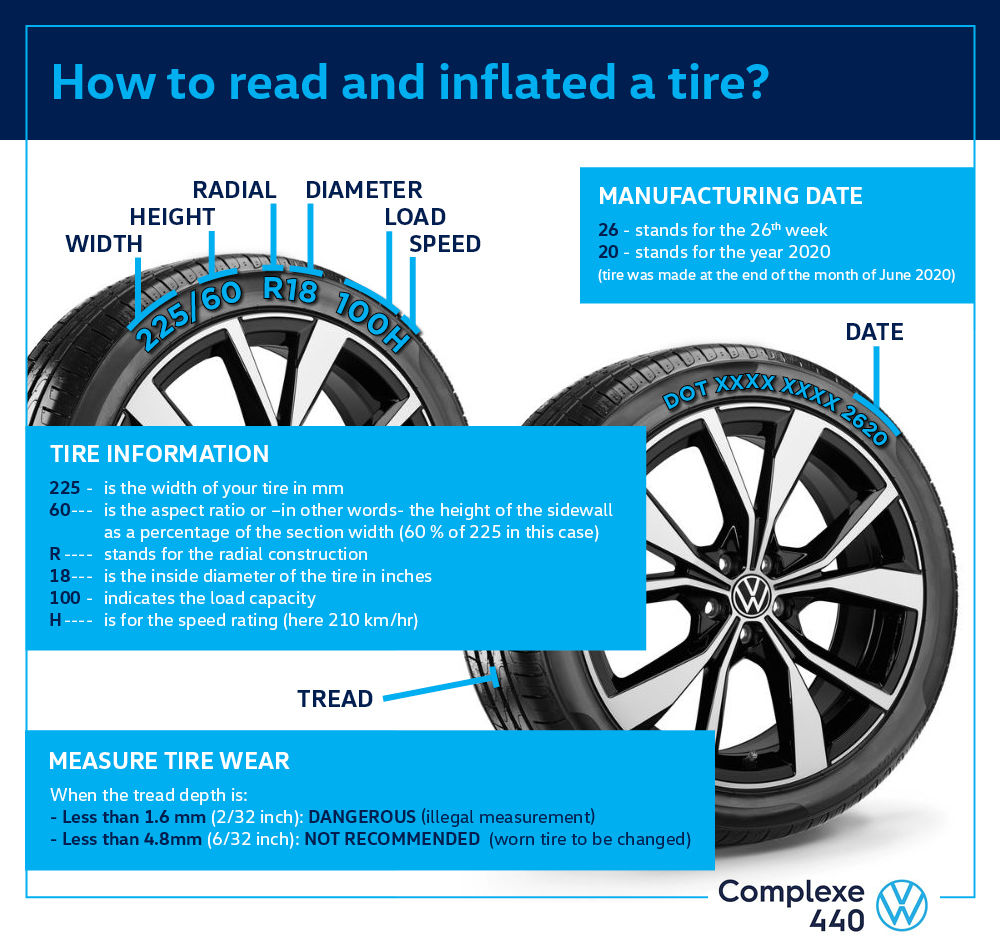
The first number shows the tire’s width in millimeters. It measures the distance from one sidewall to the other. For example, a width of 205 means the tire is 205 millimeters wide.
The aspect ratio is the second number after the slash. It shows the height of the sidewall as a percentage of the width. A 55 aspect ratio means the sidewall height is 55% of the width. This number affects the tire’s comfort and handling.
Construction Type
The letter after the aspect ratio tells the tire’s construction. “R” means radial construction, the most common type today. Radial tires have layers running across the tire, giving better grip and durability.
Other letters like “D” for diagonal or “B” for bias-ply appear less often. Knowing the construction helps understand tire strength and performance.
Diameter And Rim Size
The last number shows the diameter of the wheel rim in inches. This tells what size rim the tire fits. For example, a 16 means the tire fits a 16-inch rim.
This size must match your vehicle’s wheel size to ensure proper fit and safety. Tires with the wrong diameter won’t fit or may cause handling issues.
Load Index And Speed Rating
The numbers and letters on your car tires do more than just fill space—they tell you critical information about how much weight your tires can safely hold and the maximum speed they can handle. The load index and speed rating are two key elements that help ensure your vehicle performs safely and efficiently. Understanding these details can save you from costly mistakes and keep you safer on the road.
Interpreting Load Capacity
The load index is a number that indicates the maximum weight a tire can support when properly inflated. This number corresponds to a specific weight value measured in kilograms or pounds.
For example, a load index of 95 means the tire can carry up to 690 kg (1521 lbs). If you overload your tires beyond this limit, it increases the risk of tire failure and unsafe driving conditions.
Have you ever checked your tire’s load index before buying replacements? It’s crucial to match or exceed the manufacturer’s recommended load index to avoid damaging your tires or compromising safety.
Understanding Speed Limits
The speed rating is represented by a letter that shows the maximum speed your tire can handle safely. This rating is tested under specific conditions and guarantees performance up to that speed.
| Speed Rating | Maximum Speed (mph) | Maximum Speed (km/h) |
|---|---|---|
| S | 112 | 180 |
| T | 118 | 190 |
| H | 130 | 210 |
| V | 149 | 240 |
| W | 168 | 270 |
If you often drive at higher speeds, you’ll want tires with a speed rating that matches or exceeds your top speed. Using tires with a lower speed rating than needed can cause overheating and possible tire failure.
Have you ever ignored the speed rating, assuming all tires are the same? That small detail could be costing you durability and safety on the highway.
Additional Tire Codes
Tires carry more information than just size and speed ratings. Additional tire codes provide key details about safety, quality, and age. Understanding these codes helps you choose the right tire and maintain it properly. These markings include manufacturing details, performance grades, and special symbols. Let’s explore what these extra codes mean.
Manufacture Date And Dot Code
The Department of Transportation (DOT) code shows the tire’s age and origin. It starts with “DOT” followed by letters and numbers. The last four digits reveal the manufacture date.
For example, “2319” means the tire was made in the 23rd week of 2019. Tires older than six years may lose performance. Checking this code ensures your tires are safe to use.
Treadwear, Traction, And Temperature Grades
These grades rate a tire’s durability and safety. They appear as numbers and letters on the sidewall.
- Treadwear:A number showing the tire’s lifespan compared to a standard. Higher means longer wear.
- Traction:Grades like AA, A, B, or C show grip on wet surfaces. AA is the best.
- Temperature:Rated A, B, or C, this shows heat resistance at high speeds. A is the highest rating.
Other Markings And Symbols
Tires may also display special symbols. These include:
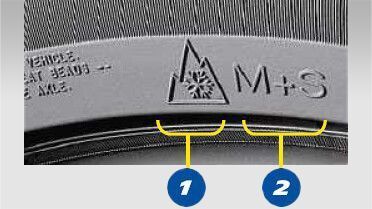
- M+S (Mud and Snow):Indicates tires designed for light winter conditions.
- Three-Peak Mountain Snowflake:Shows the tire meets severe snow service standards.
- Load Index and Speed Symbol:Indicate the maximum load and speed the tire can handle safely.
- Reinforced or Extra Load:Means the tire has extra strength for heavier vehicles.
These markings guide you in choosing tires fit for your driving needs and conditions.

Credit: www.cjponyparts.com
Credit: www.complexevw440.com
Frequently Asked Questions
What Does The Tire Size Number Mean?
The tire size number shows width, aspect ratio, and rim diameter. For example, 205/55R16 means 205mm width, 55% height, and 16-inch rim.
How To Read The Tire Speed Rating?
The speed rating is a letter on the tire sidewall. It indicates the maximum safe speed, like H for 130 mph or V for 149 mph.
What Does The Tire Load Index Indicate?
The load index is a number representing the tire’s maximum load capacity. Higher numbers mean the tire can carry more weight safely.
Why Is The Tire Manufacturing Date Important?
The manufacturing date shows tire age. Tires older than 6 years may lose performance and safety, even if unused.
Conclusion
Understanding tire numbers helps you choose the right tires for safety. These numbers show tire size, speed rating, and load capacity. Knowing them keeps your vehicle running smoothly. It also helps avoid mistakes when buying new tires. Always check these numbers before making a purchase.
Tires with the right numbers improve driving comfort and safety. Remember, good tires protect you and your passengers. Keep your tires well-maintained and check the numbers often. Simple steps lead to safer roads and better car performance.