
Have you ever wondered if it’s safe to keep a fire extinguisher in your hot car? You might think it’s a smart idea to have one close by, but the heat inside your vehicle can be extreme.
Could that heat damage your extinguisher or even make it dangerous? Before you stash that important safety tool in your glove box or trunk, you need to know what really happens when a fire extinguisher faces high temperatures. Keep reading to find out how heat affects your extinguisher and what you should do to stay safe.
Credit: www.mavericktruckclub.com
Heat Effects On Fire Extinguishers
Heat can seriously affect your fire extinguisher’s performance, especially if you keep it in a hot car. High temperatures may cause changes inside the extinguisher that reduce its effectiveness when you need it most. Understanding these heat effects helps you protect your safety gear and ensures it works properly in an emergency.
Pressure Changes In High Temperatures
Fire extinguishers rely on internal pressure to release the extinguishing agent quickly and forcefully. When exposed to high heat, the pressure inside the extinguisher can increase significantly.
This rise in pressure might cause the safety valve to open, releasing some of the agent or gas prematurely. Alternatively, if the pressure drops due to damage, the extinguisher may fail to discharge properly when needed.
Have you ever checked the pressure gauge on your extinguisher after leaving it in a hot car? It’s a simple step that can prevent a dangerous surprise.
Potential Damage To Components
Heat doesn’t just affect pressure; it can also damage crucial parts of the extinguisher. The plastic parts, seals, and hoses may become brittle or crack after prolonged heat exposure.
This damage can cause leaks or prevent the extinguisher from operating correctly. Even the chemical inside can degrade, making the extinguisher less effective or unusable.
Imagine needing your extinguisher in an emergency only to find it leaking or broken—keeping it in a cooler place could save you from this risk.
Expiration And Reliability Concerns
High temperatures can accelerate the aging process of your fire extinguisher. The chemicals inside may break down faster, reducing the extinguisher’s overall lifespan.
This means your extinguisher could expire sooner than the printed date, which is risky because expired units might not work at all. Regular inspections and replacements are essential, especially if your extinguisher has been exposed to heat.
Ask yourself: how often do you check the condition and expiration date of your extinguisher? Staying on top of this can make all the difference in an emergency.
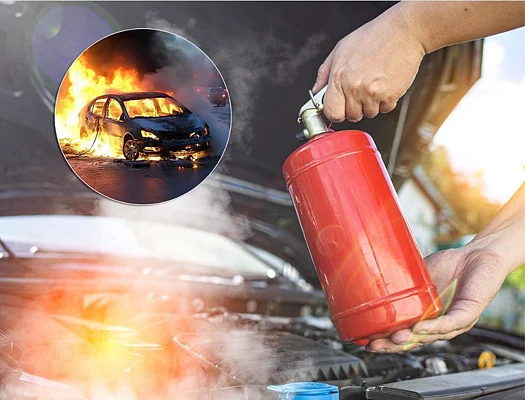
Credit: www.khaleejtimes.com
Safe Storage Practices
Storing a fire extinguisher safely in your car is crucial for it to work effectively when you need it most. Heat can affect the extinguisher’s performance, so knowing how to protect it is key. Simple habits can extend its life and keep it ready for action.
Choosing The Right Location In A Vehicle
Pick a spot that stays as cool as possible inside your car. Avoid placing the extinguisher on the dashboard or rear window shelf, where direct sunlight and heat build-up are common. Instead, consider areas like under the front seat or in the trunk, where temperatures are more stable.
Think about accessibility too. Can you reach it quickly in an emergency? A fire extinguisher hidden in a hard-to-reach spot might as well not be there. Balancing safety and convenience is important.
Using Protective Cases Or Holders
Protective cases shield the extinguisher from heat, dust, and physical damage. Many cases come with insulation features designed to keep temperatures more constant. Using a sturdy holder also prevents it from rolling around and getting damaged during sudden stops.
Imagine having your extinguisher sliding under the seat during a quick turn—damage could render it useless. A well-secured holder keeps it in place and ready to use.
Regular Inspection And Maintenance
Check your extinguisher often, especially if it’s in a hot environment. Look for dents, corrosion, or leaking, and ensure the pressure gauge is in the safe zone. Heat can cause seals to weaken, so testing its readiness monthly is a smart habit.
Ask yourself: When was the last time you inspected your extinguisher? Small signs of wear can be easy to miss but make a big difference in an emergency.
Fire Extinguisher Types For Vehicles
Choosing the right fire extinguisher for your vehicle can be a lifesaver in emergencies. Not all extinguishers perform equally well inside a car, especially when exposed to high temperatures. Understanding the types available helps you pick one that works effectively and lasts longer in your vehicle’s environment.
Best Extinguisher Types For Cars
For cars, dry chemical extinguishers are often the best choice. They handle common vehicle fires involving gasoline, oil, and electrical equipment.
Another good option is the clean agent extinguisher, which leaves no residue and is safer for sensitive electronics in modern vehicles.
Foam extinguishers are less common in cars but can work well for fuel fires. However, they tend to be bulkier and less convenient to store inside a vehicle.
Features To Look For
- Size and Weight:Choose compact and lightweight models so you can store and grab them easily.
- Heat Resistance:Ensure the extinguisher can withstand high temperatures inside a parked car without degrading.
- Easy Operation:Look for clear instructions and simple pull-and-squeeze mechanisms for quick use.
- Pressure Gauge:A visible gauge lets you check if the extinguisher is ready to use.
- Mounting Bracket:Having a secure mounting option prevents damage and keeps the extinguisher accessible.
Recommended Brands And Models
Brands like Kidde and First Alert are popular for vehicle extinguishers due to their reliability and durability.
The Kidde FA110 Multi Purpose Fire Extinguisher is a favorite for cars. It’s compact, easy to use, and rated for ABC fires, covering most vehicle fire types.
Another solid pick is the First Alert FE1A10G, which offers great heat resistance and a reliable pressure gauge. It also comes with a mounting bracket designed for vehicles.
Have you checked if your current extinguisher is suitable for your car’s conditions? Investing in the right type can make a critical difference in an emergency.
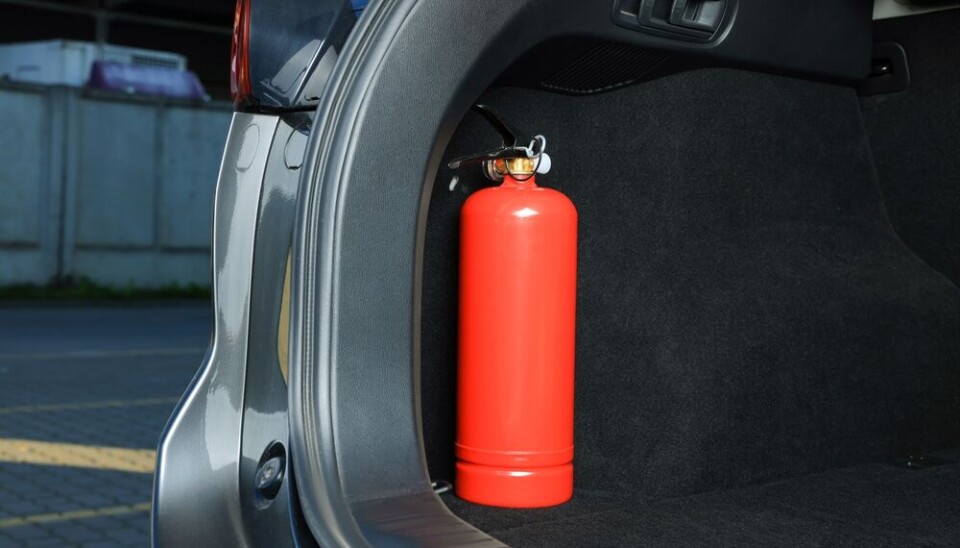
Credit: www.connexionfrance.com
Frequently Asked Questions
Can Heat Damage A Fire Extinguisher In A Car?
Yes, excessive heat can damage a fire extinguisher. High temperatures may weaken the pressure gauge and the chemical inside. This reduces its effectiveness during emergencies.
Is It Safe To Store Fire Extinguishers In Hot Cars?
Storing a fire extinguisher in a hot car is not ideal. Extreme heat can cause pressure build-up, risking leakage or explosion. Use a temperature-controlled storage area if possible.
How To Protect Fire Extinguishers From Car Heat?
Keep fire extinguishers in shaded or insulated areas inside the car. Avoid direct sunlight exposure. Regularly check the pressure gauge and replace if damaged.
What Temperature Range Is Safe For Fire Extinguishers?
Fire extinguishers generally operate safely between -40°F and 120°F. Temperatures above this range may affect performance and reliability. Always check manufacturer guidelines for specific limits.
Conclusion
Keeping a fire extinguisher in a hot car can be risky. Heat may damage the extinguisher’s pressure and parts. This can make it less effective during emergencies. Store it in a cool, shaded place when possible. Check your extinguisher regularly for any signs of wear.
Choose models designed to handle high temperatures if needed. Safety matters most, so take care of your fire extinguisher. It can save lives only when it works properly. Stay prepared and keep your extinguisher in good condition.