
Have you ever felt your car shudder or shake when you press the brake pedal? That sudden trembling can be unsettling and even scary.
You might wonder if it’s something serious or just a minor annoyance. Understanding why your car shudders when you brake can save you from costly repairs and keep you safe on the road. Keep reading to discover the common causes behind this problem and what you can do to fix it before it gets worse.
Your smooth, safe drive depends on it.
Common Brake Issues
Car shuddering during braking signals common brake problems. These issues affect driving safety and comfort. Identifying the cause helps fix the problem fast.
Brake parts wear out or get damaged over time. This leads to vibrations or shaking when you press the brake pedal. Understanding typical brake issues helps in spotting the right repair.
Warped Brake Rotors
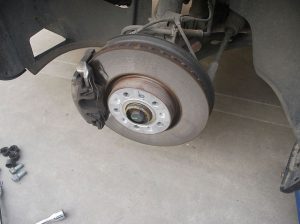
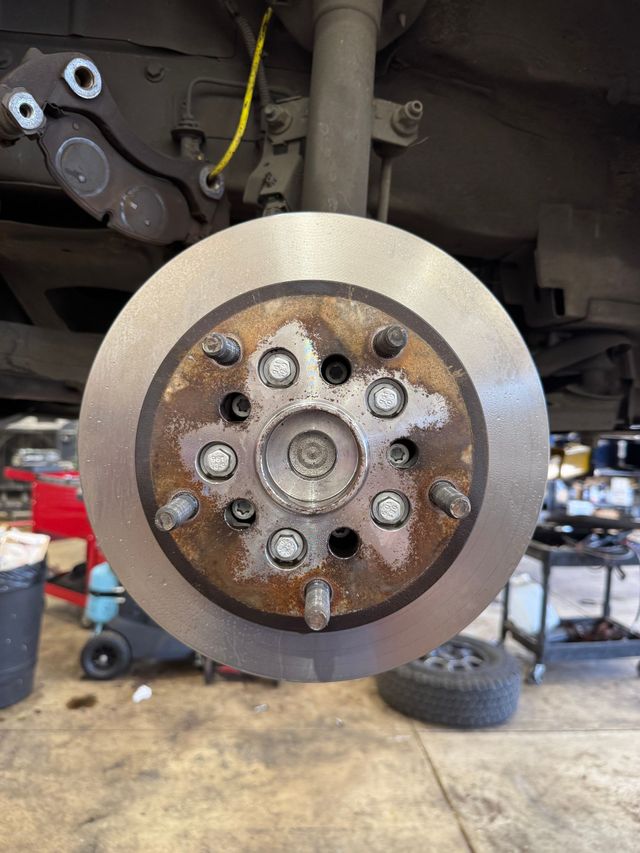
Rotors can warp from heat or wear. Warped rotors cause uneven brake pad contact. This creates a shaking feeling in the brake pedal or steering wheel. Driving with warped rotors reduces braking efficiency. Rotor resurfacing or replacement often solves this problem.
Worn Brake Pads
Brake pads wear down with use. Thin or uneven pads can cause shuddering. Worn pads reduce brake grip and increase stopping distance. Replacing old brake pads restores smooth braking. Regular pad checks prevent sudden brake problems.
Loose Or Damaged Components
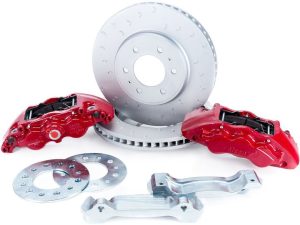
Loose or broken brake parts lead to vibration. Components like calipers, wheel bearings, or suspension parts affect brake stability. Damage or looseness causes uneven braking force. Tightening or replacing these parts stops the shudder. Proper brake system maintenance keeps all parts secure.
Credit: www.jhautomotiveinc.com
Suspension And Wheel Problems
Suspension and wheel problems often cause a car to shudder when braking. These parts play a key role in keeping the car stable. Any issue here affects the car’s smoothness and safety. Understanding these problems helps in fixing the shudder quickly.
Wheel Alignment Issues
Misaligned wheels cause uneven tire wear. This creates vibrations during braking. Your car may pull to one side or feel shaky. Proper wheel alignment ensures tires meet the road evenly. This reduces shaking and improves control.
Tire Imbalance
Imbalanced tires spin unevenly at high speeds. This causes a noticeable shudder in the steering wheel. The problem gets worse when braking. Balancing tires involves adding weights to the rim. This smooths out the ride and stops the shaking.
Suspension Wear
Worn suspension parts fail to absorb road bumps. This leads to a rough, unstable ride. Brake pressure makes worn parts move abnormally. The car may shudder or vibrate as a result. Regular inspection of shocks and struts prevents this problem.
Other Mechanical Factors
Sometimes, the reason your car shudders when you brake isn’t just about the brake pads or rotors. Other mechanical factors can cause this unsettling vibration. Understanding these can help you spot the real issue before it gets worse or more expensive to fix.
Brake Caliper Malfunction
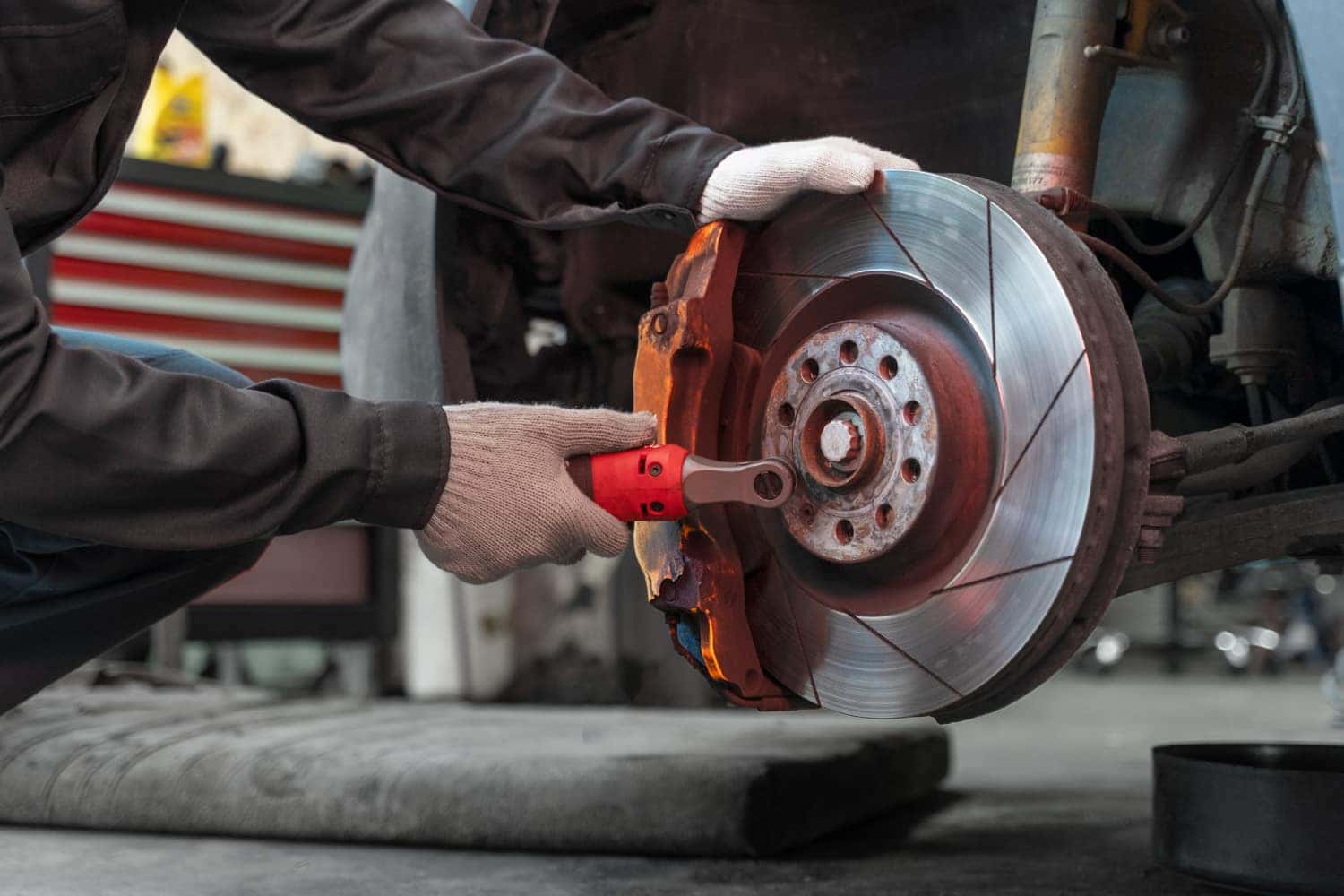
Your brake calipers play a crucial role in stopping your car smoothly. If a caliper sticks or doesn’t release properly, it can cause uneven braking pressure. This uneven pressure leads to shaking when you apply the brakes.
Have you ever felt your steering wheel vibrate while braking? That might mean a caliper is dragging on one side. Getting this checked can save your brake system from premature wear.
Abs System Activation
The Anti-lock Braking System (ABS) is designed to prevent your wheels from locking up during hard braking. Sometimes, if the ABS sensors detect an issue or if the system activates unnecessarily, it can cause a pulsing or shuddering sensation.
Does the shudder feel more like a rapid pulsing? Your ABS might be kicking in. This could be due to dirty sensors or low brake fluid. It’s worth having a mechanic run a diagnostic to pinpoint ABS-related problems.
Engine Or Transmission Problems
Braking involves more than just your brakes. Issues with your engine or transmission can cause vibrations that feel like brake shuddering. For example, if your engine mounts are worn out, the entire car might shake when you slow down.
Have you noticed the shudder only happens when braking from high speeds or when the engine is under load? That could indicate transmission problems or faulty mounts rather than the brakes themselves. Addressing these mechanical issues can improve overall driving comfort and safety.
Credit: www.serratraversecity.com

Credit: www.autorepairmechanic.shop
Frequently Asked Questions
Why Does My Car Shudder When I Brake Suddenly?
Your car shudders during sudden braking due to warped brake rotors. Uneven rotors cause vibrations felt in the steering wheel or brake pedal. It signals the need for rotor resurfacing or replacement to ensure smooth braking and safe driving.
Can Worn Brake Pads Cause Car Shuddering?
Yes, worn brake pads can cause your car to shudder when braking. Thin or damaged pads reduce braking efficiency and create uneven friction. Replacing brake pads promptly prevents further damage and maintains optimal brake performance.
How Do Brake Rotors Affect Braking Smoothness?
Brake rotors are crucial for smooth braking. Warped or damaged rotors create vibrations and shuddering. Regular inspection and maintenance of rotors help ensure even brake pad contact and a comfortable, safe braking experience.
Is Wheel Alignment Related To Car Shuddering When Braking?
Poor wheel alignment can contribute to shuddering during braking. Misaligned wheels cause uneven tire wear and brake stress. Proper wheel alignment improves stability and reduces vibrations felt when applying brakes.
Conclusion
Car shuddering during braking signals an issue needing attention. Worn brake pads or warped rotors often cause this problem. Uneven brake pressure or suspension troubles may also play a role. Ignoring the shudder can lead to bigger, costly repairs. Regular brake checks help keep your car safe and smooth.
Always address shaking brakes promptly to avoid danger on the road. Stay alert to any changes in braking feel or sound. Taking care of your brakes keeps driving comfortable and secure.