
Are you wondering if glass cleaner is safe to use on your car’s interior? You might have spotted those bottles under your sink and thought, “Can this make my car’s dashboard and windows shine too?” It’s a common question because keeping your car clean and spotless is important to you.
But before you spray that glass cleaner inside your car, there are some things you need to know to avoid damaging your surfaces or making a bigger mess. Keep reading, and you’ll discover the smart way to clean your car’s interior safely and effectively.
Credit: www.cnn.com
Types Of Glass Cleaners
Choosing the right glass cleaner for your car interior can make a huge difference in maintaining clarity and preventing damage. Not all glass cleaners are created equal, and understanding the types available helps you pick the best one for your needs. Let’s look closely at what these cleaners contain and how they differ.
Ingredients In Common Cleaners
Most glass cleaners contain a mix of water, alcohols, detergents, and sometimes ammonia. Alcohol helps dissolve grease and fingerprints, while detergents lift dirt from the surface.
Ammonia is a powerful cleaner but can be harsh on some materials. It may cause damage or discoloration if used inside your car, especially on tinted windows or plastic trims.
Some cleaners add anti-fog agents or UV protectants, which can help keep your windshield clear longer. Knowing the ingredients helps you avoid harmful chemicals that might affect your car’s interior.
Differences Between Household And Automotive Glass Cleaners
Household glass cleaners are designed for windows, mirrors, and glass surfaces in your home. They often contain ammonia, which can cause fogging or damage to automotive window films and plastics.
Automotive glass cleaners are specially formulated to be safe on tinted windows, dashboards, and other interior materials. They usually avoid harsh chemicals and include components that reduce streaking in different lighting conditions.
Have you ever noticed streaks or residue after cleaning your car’s interior glass? That’s often a sign that a household cleaner was used instead of an automotive-specific product. Investing in a cleaner made for cars can save you time and protect your vehicle’s surfaces.

Credit: www.wipenew.com
Effects On Car Interior Materials
Using glass cleaner inside your car might seem like a quick fix for dirty windows and mirrors. But have you thought about how it affects other interior materials? Understanding these effects can help you keep your car looking great without damaging key surfaces.
Impact On Plastic And Vinyl Surfaces
Glass cleaners often contain ammonia or alcohol, which can be harsh on plastic and vinyl. These chemicals might cause surfaces to fade, crack, or become sticky over time.
Have you noticed your car’s door panels or trim looking dull after cleaning? That could be the glass cleaner at work. Instead, try a product specifically made for plastic or vinyl to maintain that fresh look.
Simple tests help too—spray a small hidden area and wait a few minutes. If the surface changes color or texture, it’s better to avoid that cleaner on your interior.
Risks To Dashboard And Touchscreens
Your dashboard and touchscreen controls deserve special care. Glass cleaners can strip protective coatings and cause glare, making screens harder to read.
Touchscreens are sensitive; harsh chemicals might damage their responsiveness or cause permanent marks. Using a damp microfiber cloth or a cleaner designed for electronics is a safer choice.
Think about how often you interact with these surfaces. Protecting them extends their lifespan and keeps your driving experience smooth and enjoyable.
Safe Alternatives For Interior Cleaning
Choosing safe alternatives for cleaning your car’s interior keeps surfaces fresh and damage-free. Glass cleaners often contain chemicals that can harm dashboards, leather, and fabric. Using the right products helps maintain your car’s look and feel for longer.
Recommended Products For Car Interiors
- Microfiber cloths: Gentle on surfaces and effective at dusting.
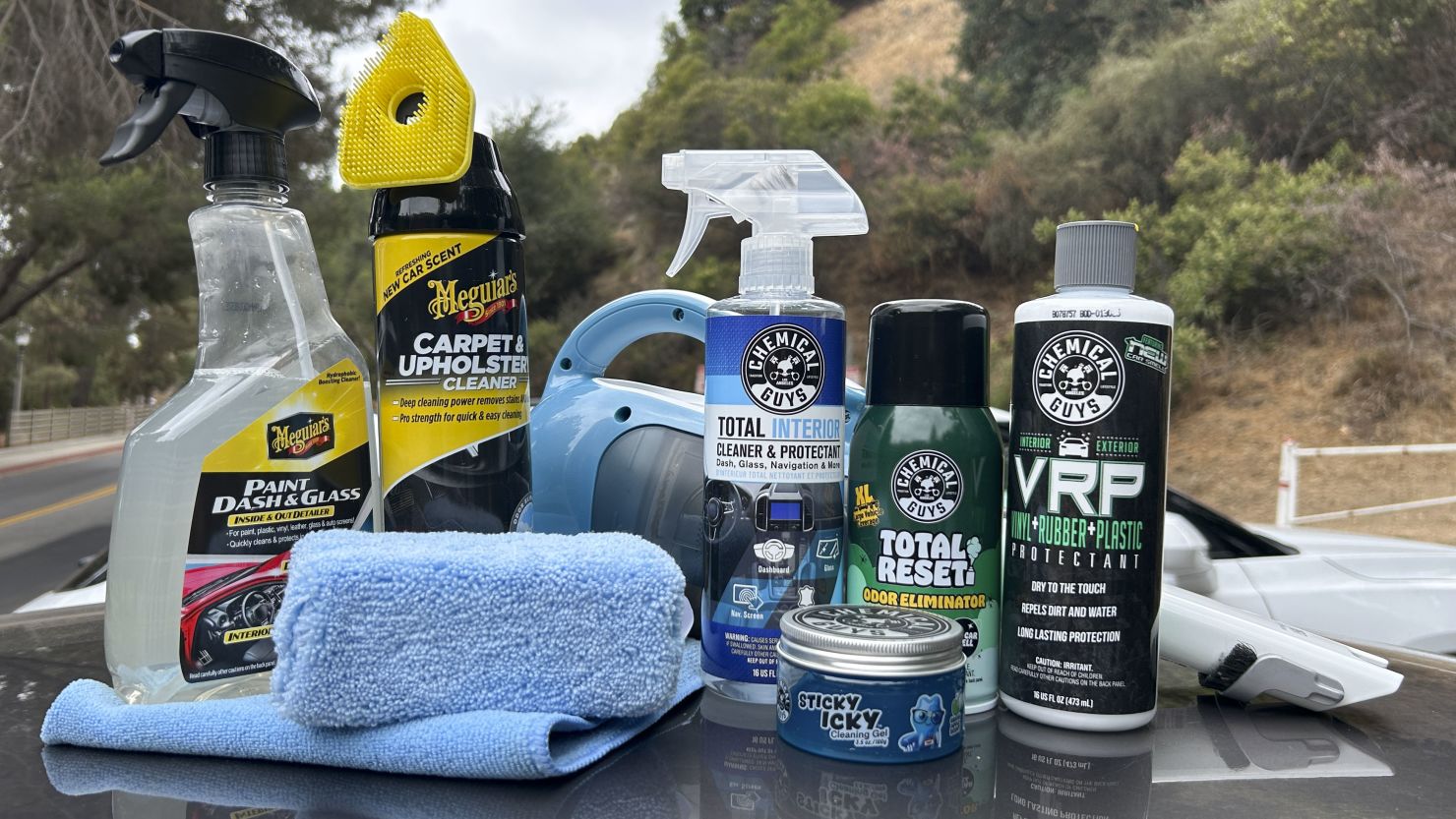
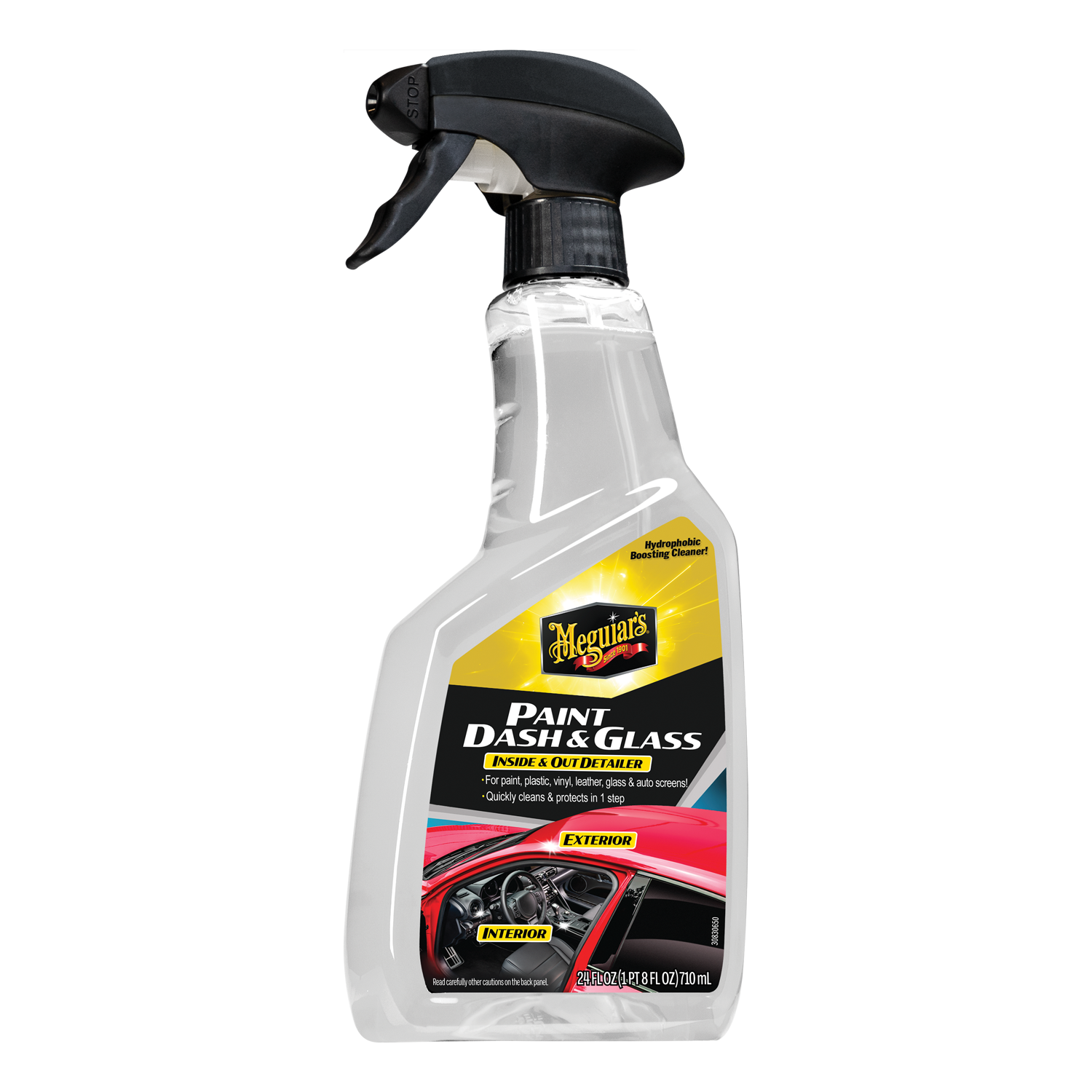
- Interior detailers: Specifically made for dashboards and trim.
- Leather cleaners and conditioners: Protect and nourish leather seats.
- Foam fabric cleaners: Remove stains without soaking upholstery.
- Non-ammonia glass cleaners: Safe for tinted windows and plastic parts.
Diy Cleaning Solutions
Create simple, safe cleaners at home using common ingredients. These solutions work well and reduce chemical exposure inside your car.
- Mix equal parts water and white vinegar for a gentle all-purpose cleaner.
- Use a few drops of mild dish soap with warm water for fabric stains.
- Combine baking soda and water into a paste to scrub tough spots.
- Rubbing alcohol diluted with water cleans glass without harsh fumes.
- Essential oils like lemon or lavender add a fresh scent naturally.
Credit: www.meguiars.com
Tips For Cleaning Car Glass Safely
Cleaning your car’s glass surfaces requires more than just grabbing any cleaner and wiping away. Using the right techniques ensures your windows stay spotless without causing damage to delicate interior materials. How you apply the cleaner and what precautions you take can make all the difference in achieving a crystal-clear finish safely.
Proper Application Techniques
Spray the cleaner onto a soft microfiber cloth instead of directly on the glass. This prevents excess liquid from dripping onto sensitive dashboard components or upholstery.
Wipe the glass using gentle, circular motions to remove dirt and smudges. Avoid scrubbing too hard, as this can scratch the surface or push dirt into tiny crevices.
Use a clean, dry microfiber cloth to buff the glass afterward. This step removes any streaks and leaves a polished, streak-free shine.
Precautions To Avoid Damage
Avoid using ammonia-based cleaners on tinted windows; they can cause the tint to fade or peel over time. Check your car’s manual or window tint warranty for recommended products.
Keep cleaner away from electronic displays and buttons on your dashboard. Moisture can seep into these areas and cause malfunctions.
Test any new cleaner on a small, hidden spot first. This helps you spot potential reactions with your interior materials before applying it everywhere.
Frequently Asked Questions
Can I Use Glass Cleaner On Car Interior Surfaces?
Glass cleaner is safe for car windows and mirrors. Avoid using it on dashboards or leather, as chemicals may cause damage or discoloration.
Is Glass Cleaner Effective For Cleaning Car Interior Glass?
Yes, glass cleaner removes dirt, smudges, and fingerprints efficiently from car interior glass. It leaves a streak-free, clear finish for better visibility.
Will Glass Cleaner Harm Car Dashboard Or Plastic Parts?
Glass cleaner can damage dashboards or plastic if it contains ammonia or harsh chemicals. Use products specifically designed for interior surfaces instead.
How Often Should I Clean Car Interior Glass With Glass Cleaner?
Clean interior car glass weekly or as needed to maintain clear visibility. Regular cleaning prevents buildup of dust, grime, and streaks for safer driving.
Conclusion
Glass cleaner can work for car windows but not always for interiors. Some surfaces inside cars need special cleaners to avoid damage. Using the wrong product might cause stains or fading. Always test a small spot first to be safe.
Choose cleaners made for car interiors to keep them fresh and clean. Taking care of your car’s inside helps it look nice longer. Clean smart, and your car stays comfortable for every ride.