
Taking care of a water turtle can be a rewarding experience, but it also comes with important responsibilities. If you want your turtle to stay healthy and happy, you need to know the right steps to follow.
In this guide, you’ll discover simple and effective tips that anyone can use, whether you’re a new turtle owner or looking to improve your care routine. Keep reading to learn how to create the perfect home for your water turtle and ensure it thrives for years to come.
Your turtle’s well-being depends on what you do today.
Setting Up The Habitat
Setting up the perfect habitat is key to keeping your water turtle happy and healthy. The environment should mimic its natural home as much as possible. This means providing clean water, a safe tank, and a warm place to bask. Each part of the habitat plays a vital role in your turtle’s well-being.
Choosing The Right Tank
Water turtles need plenty of space to swim. The tank should be large enough to allow free movement. A good rule is at least 10 gallons of water per inch of turtle shell. The tank must be sturdy and leak-proof. Glass or acrylic tanks work well. They offer clear views and hold water safely. Avoid small bowls or containers that limit swimming.
Maintaining Water Quality
Clean water is essential for a turtle’s health. Dirty water can cause infections and stress. Use a strong water filter designed for aquatic turtles. Change part of the water regularly to keep it fresh. Test water for chlorine and ammonia levels often. Use a water conditioner to remove harmful chemicals. Keep the water temperature between 75°F and 85°F for most species.
Creating A Basking Area
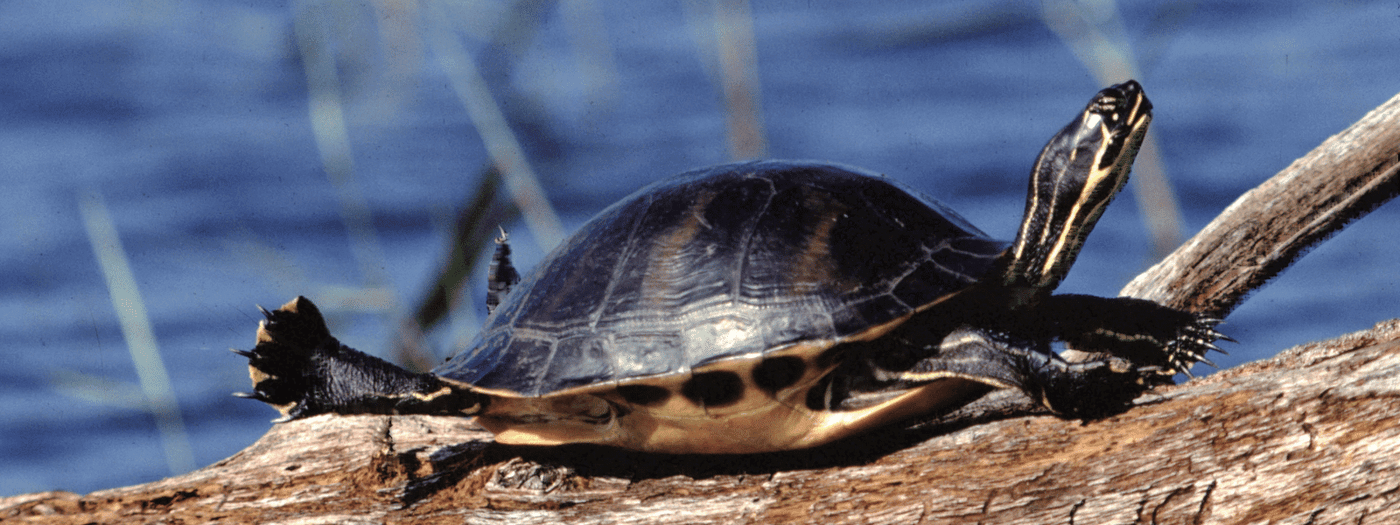
Turtles need a dry spot to rest and warm up. The basking area should be easy to access from the water. Use a flat rock, floating platform, or commercial turtle dock. Provide a heat lamp above the basking spot. The temperature there should be about 85°F to 90°F. UVB lighting is also important to help turtles absorb calcium. This keeps their shells strong and healthy.

Credit: aquariumproductsindia.in
Feeding Your Water Turtle
Feeding your water turtle correctly is key to keeping it healthy and active. Understanding what to feed, how often, and when to add supplements can make a big difference in your turtle’s well-being. Let’s break down the essentials to help you provide the best care.
Selecting A Balanced Diet
Your water turtle needs a mix of proteins, vegetables, and commercial turtle pellets for a balanced diet. Protein sources like feeder fish, insects, and cooked chicken are great, but don’t forget leafy greens like kale or romaine lettuce to add fiber and vitamins.
I once tried feeding only pellets, thinking it was enough. My turtle lost interest in food and became sluggish. Adding fresh veggies and occasional live food revived its energy almost immediately.
Feeding Frequency And Portions
Young turtles require feeding every day, while adults do well with feeding every other day. Overfeeding can cause obesity and water pollution, so watch the portions carefully—feed only what your turtle can finish in 15 minutes.
Keep an eye on your turtle’s activity and shell condition; these are good indicators if you need to adjust feeding amounts. Have you noticed your turtle begging for food even after eating? That might mean you’re underfeeding or the diet lacks variety.
Supplements And Treats
Adding calcium supplements, especially with vitamin D3, helps prevent shell deformities and keeps bones strong. You can dust pellets with powdered supplements or offer cuttlebone in the tank.
Treats like small pieces of fruit or boiled eggs are fine occasionally but avoid sugary or processed foods. Your turtle will appreciate the variety, but too many treats can upset its nutrition balance.
Health And Safety Tips
Keeping a water turtle healthy and safe requires careful attention every day. Small habits can protect your turtle from illness and stress. Understanding health signs and maintaining a clean habitat helps your pet live a long, happy life.
Monitoring Behavior And Signs Of Illness
Watch your turtle’s actions closely. Changes in eating habits or activity levels may signal problems. Look for:
- Swollen eyes or closed eyes
- Shell discoloration or softness
- Unusual swimming or lethargy
- Labored breathing or coughing
- Loss of appetite or weight
Early detection of these signs allows quick care and treatment. Consult a vet if you notice any symptoms.
Regular Cleaning And Maintenance
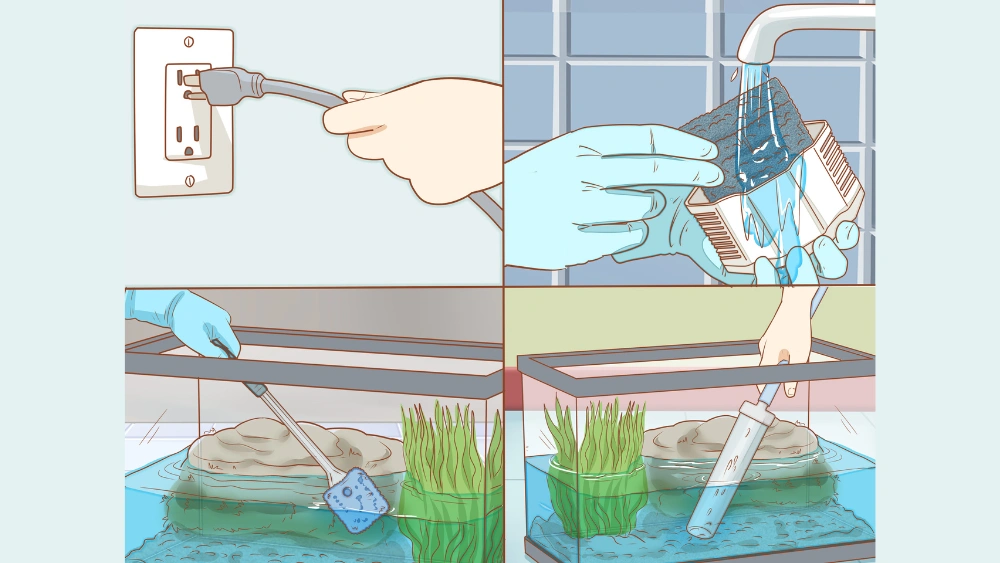
Clean the tank often to avoid bacteria buildup. Replace dirty water and scrub algae from surfaces. Use safe cleaners made for aquariums.
- Change 25-50% of water weekly
- Clean filters monthly
- Remove uneaten food daily
- Check water temperature and pH regularly
Keeping the environment clean reduces health risks and keeps turtles active.
Preventing Common Health Issues
Prevent illness with proper diet and habitat care. Provide a balanced diet with fresh vegetables and turtle pellets. Avoid overfeeding to prevent obesity.
- Offer UVB lighting for shell and bone health
- Maintain correct water temperature (75-85°F)
- Keep basking area dry and warm
- Quarantine new turtles before adding them
Good care habits avoid infections, shell rot, and respiratory problems.
Credit: pethelpful.com
Credit: imperialreptiles.com
Frequently Asked Questions
How Often Should I Clean A Water Turtle Tank?
Clean your turtle tank weekly to maintain hygiene. Remove uneaten food and waste daily. Replace 25-50% of water weekly to keep it fresh and safe for your turtle.
What Is The Ideal Diet For A Water Turtle?
Feed a balanced diet with commercial turtle pellets, fresh vegetables, and occasional live food like insects. Avoid overfeeding to prevent obesity and water pollution.
How Much Uvb Light Does A Water Turtle Need?
Provide 10-12 hours of UVB lighting daily. UVB helps turtles synthesize vitamin D3, essential for shell and bone health. Replace bulbs every 6-12 months for effectiveness.
What Temperature Should Water And Basking Area Be?
Maintain water temperature between 75-85°F (24-29°C). The basking spot should be warmer, around 85-90°F (29-32°C). Use heaters and lamps to regulate these temperatures consistently.
Conclusion
Caring for a water turtle takes time and patience. Provide clean water and a warm place to rest. Feed your turtle a balanced diet daily. Watch for signs of illness and act quickly. Keep their tank clean to avoid problems.
These steps help your turtle stay healthy and happy. Enjoy the unique experience of watching your pet grow. A little care goes a long way with water turtles. Your effort makes a big difference in their life.