
Are you sure your car tires have the right amount of air? Too little or too much air can affect your ride, safety, and even your fuel efficiency.
Knowing exactly how much air to put in your car tires isn’t just a good idea—it’s essential. You’ll discover simple tips to keep your tires properly inflated and why it matters more than you might think. Keep reading to learn how this small step can make a big difference for your car and your peace of mind.
Credit: simpletire.com
Ideal Tire Pressure Levels
Getting the ideal tire pressure right is more important than you might think. It affects your car’s safety, fuel efficiency, and tire lifespan. But how do you know what pressure level is just right for your tires?
Manufacturer Recommendations
Your car’s manufacturer provides the best starting point for tire pressure. Check the sticker usually found on the driver’s door frame or in the owner’s manual. This sticker lists the recommended pressure for both front and rear tires.
These numbers aren’t random—they’re tested to balance comfort, handling, and safety. Ignoring them can lead to underinflated or overinflated tires, which might cause uneven wear or even blowouts. Have you ever checked this sticker before your last road trip?
Factors Affecting Pressure
Keep in mind that ideal tire pressure isn’t a one-size-fits-all figure. Temperature changes can make your tire pressure rise or fall by a few PSI. For example, on a cold morning, your tires might need a little extra air compared to a hot afternoon.
Also, carrying heavy loads or driving at high speeds demands higher pressure to maintain stability. If you often drive with extra passengers or luggage, adjusting your tire pressure can make a noticeable difference. Are you adjusting your tire pressure based on how you use your vehicle?
Checking Pressure Regularly
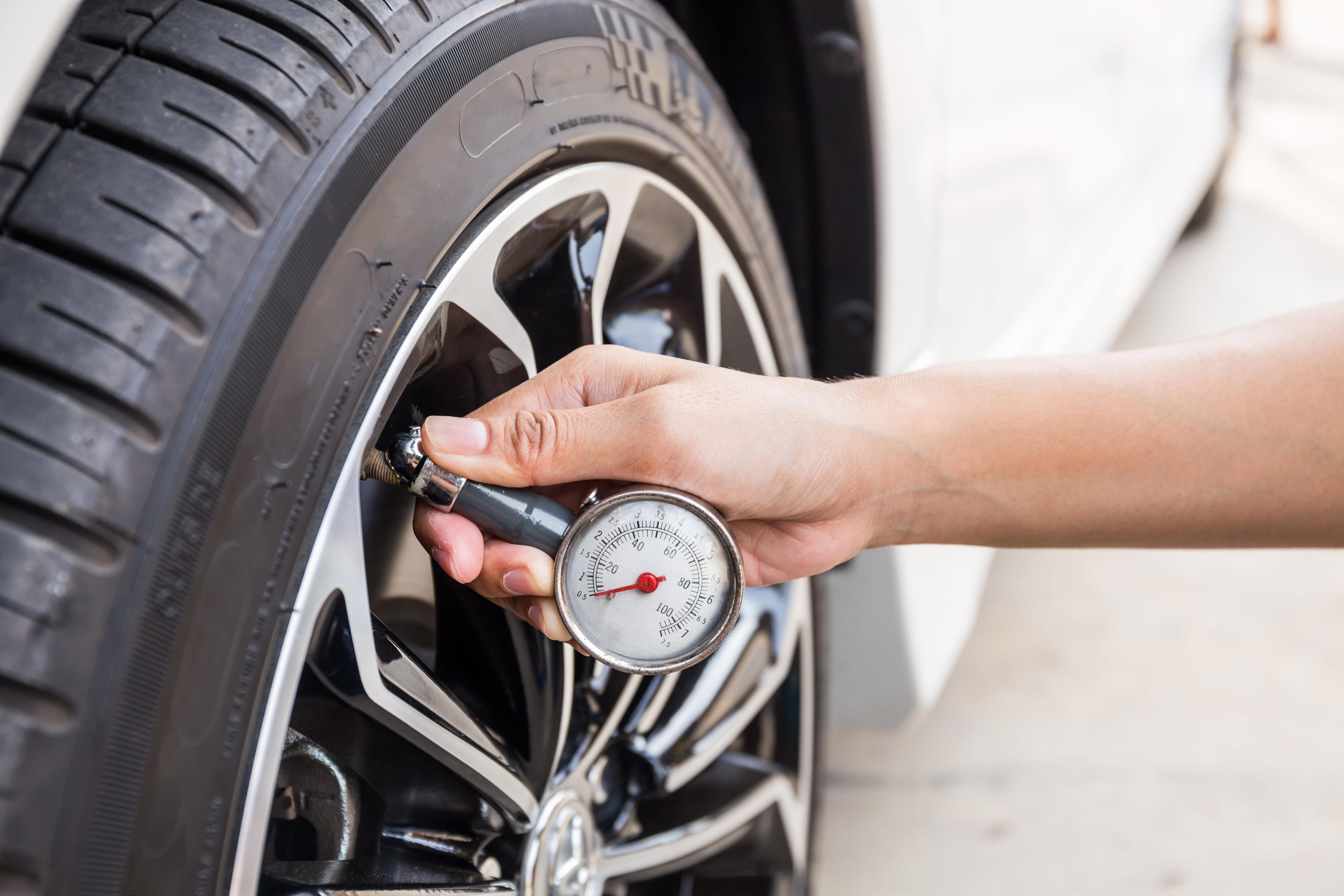
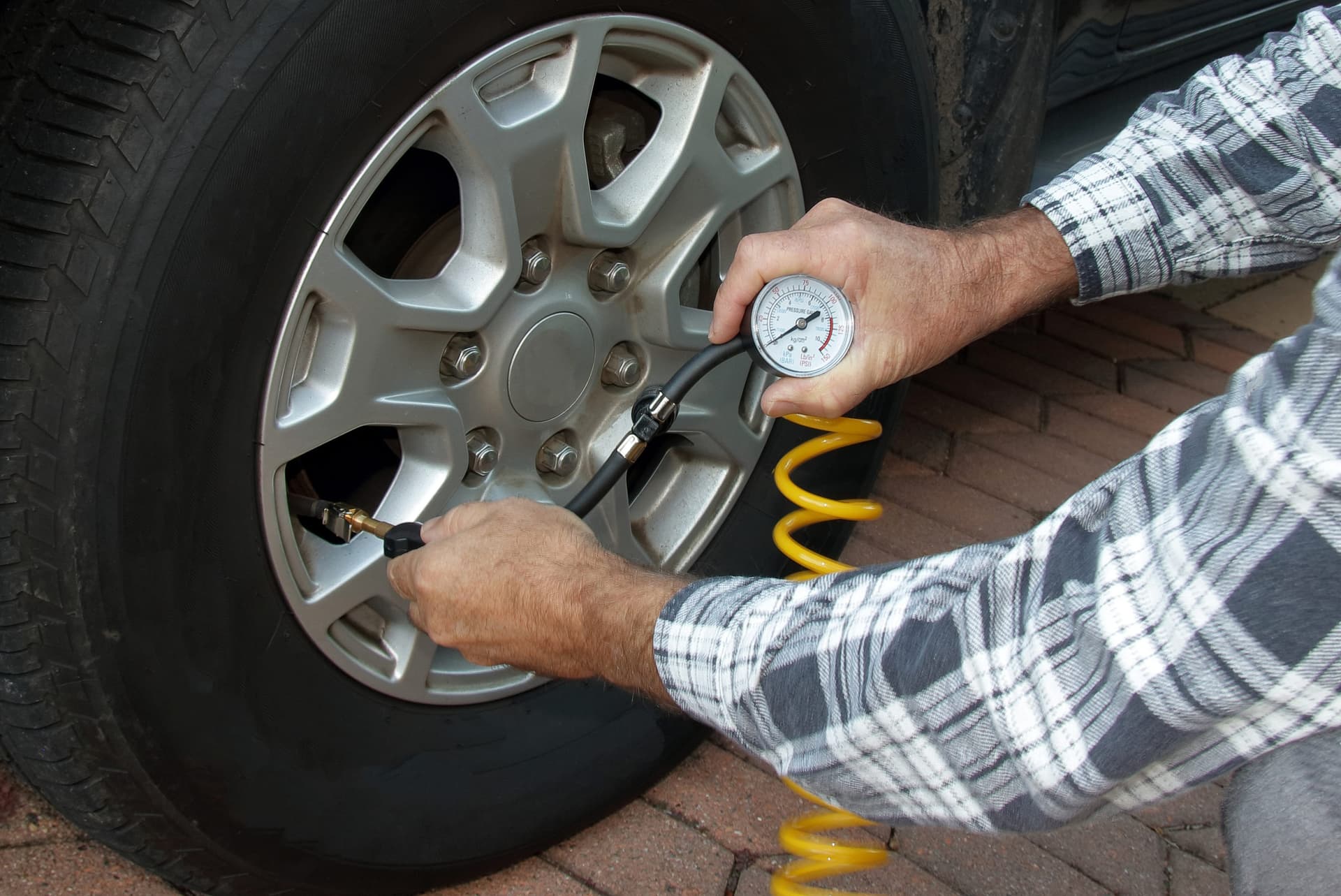
Even the perfect pressure can change over time. Tires naturally lose air at about 1 PSI per month, and small leaks can speed that up. That’s why checking your tire pressure at least once a month is a smart habit.
Use a reliable pressure gauge for accuracy, and don’t forget to check when the tires are cold. This simple routine can save you money on gas and prevent premature tire wear. When was the last time you checked your tire pressure?
Credit: simpletire.com
Impact Of Incorrect Tire Inflation
Incorrect tire inflation affects many parts of your driving experience. It changes how your car handles, uses fuel, and how long your tires last. Keeping the right air pressure is important for a smooth and safe ride.
Safety Risks
Too little air makes tires soft and unstable. This causes poor steering and longer stopping distances. Too much air makes tires hard and less grippy. Both lead to higher chances of accidents. Tires can also overheat and blow out at wrong pressures. Proper inflation keeps control and safety balanced.
Fuel Efficiency
Under-inflated tires increase rolling resistance. This makes the engine work harder and burn more fuel. Over-inflated tires may reduce contact with the road, but can cause uneven wear. Correct tire pressure helps your car use fuel better. This saves money and lowers emissions.
Tire Wear And Longevity
Low pressure wears tires on the edges. High pressure wears the center of the tire. Uneven wear shortens tire life and means more replacements. Properly inflated tires wear evenly and last longer. This protects your investment and keeps your car running well.
Tips For Maintaining Proper Tire Pressure
Maintaining the right tire pressure is more than just a routine task—it directly impacts your safety, fuel efficiency, and tire lifespan. Getting it right means you stay in control and avoid unexpected issues on the road. Here are some practical tips to help you keep your tire pressure spot on.
Using A Reliable Pressure Gauge
Never guess your tire pressure. A reliable pressure gauge is your best friend for accurate readings. Digital gauges offer easy-to-read results, while analog ones are usually more durable.
Check your pressure when tires are cold—before driving or after sitting for a few hours. This gives you the most precise measurement. If you’ve ever experienced a flat tire that could have been avoided, you know how crucial this step is.
Adjusting Pressure For Load And Conditions
Your tire pressure isn’t one-size-fits-all. Heavier loads require higher pressure to maintain stability and prevent tire damage. Check your vehicle’s manual or the sticker inside the driver’s door to find the right numbers for different loads.
Driving conditions also matter. Rough roads or high-speed travel might need a slight pressure increase for better control. Have you ever felt your car pull or wobble? That could be your tires telling you they need adjusting.
Seasonal Pressure Adjustments
Temperature changes affect tire pressure. Cold weather can lower pressure, making tires underinflated without you noticing. This drop can reduce fuel efficiency and increase wear.
Check your tire pressure more often during season changes. Adding a few PSI during winter months can keep your ride smooth and safe. Remember, small adjustments go a long way in preserving your tires and your wallet.
Credit: www.complexevw440.com
Frequently Asked Questions
How Much Air Should Car Tires Have?
Car tires should have the air pressure recommended by the vehicle manufacturer. Check the sticker inside the driver’s door or the owner’s manual for exact PSI. Proper inflation ensures safety, fuel efficiency, and tire longevity.
What Happens If Car Tires Are Underinflated?
Underinflated tires cause poor fuel economy, uneven tire wear, and reduced handling. They also increase the risk of tire blowouts and accidents. Regularly check tire pressure to maintain optimal driving safety and performance.
How Often Should I Check My Car Tire Pressure?
Check your car tire pressure at least once a month and before long trips. Tire pressure can drop due to temperature changes or natural air loss. Use a reliable tire pressure gauge for accurate readings.
Can Overinflated Tires Damage My Car?
Yes, overinflated tires reduce traction, cause uneven wear, and create a harsh ride. Excessive pressure increases the risk of tire damage from road hazards. Always inflate tires to the recommended pressure for best performance.
Conclusion
Proper tire pressure keeps your car safe and saves fuel. Check tire pressure regularly with a reliable gauge. Follow the manufacturer’s recommended air levels found on the door or owner’s manual. Avoid overinflating or underinflating tires to prevent wear and accidents.
Maintaining correct air pressure improves tire life and driving comfort. Take a few minutes to check tires each month. A small effort can make a big difference on the road. Stay safe and keep your tires in good shape.