
Your car’s brakes are one of the most important safety features you have. When your brake pads wear out, stopping your car becomes risky and expensive if ignored.
But here’s the good news: changing brake pads yourself is easier than you might think. In this guide, you’ll learn simple, step-by-step instructions to replace your brake pads quickly and safely. By the end, you’ll save money, gain confidence, and keep your car running smoothly.
Ready to take control of your car’s safety? Let’s dive in.
Tools And Materials Needed
Before you start changing your car’s brake pads, gathering the right tools and materials is crucial. Having everything at hand saves time and prevents unnecessary frustration. It also makes the entire process smoother and safer.
Essential Tools For Changing Brake Pads
You’ll need a few basic tools that fit most cars. A reliable jack and jack stands are non-negotiable for safely lifting and securing your vehicle. Without these, you risk serious injury.
- Lug wrench:To remove the wheel nuts easily.
- Socket set:Especially sockets that fit your caliper bolts.
- C-clamp or brake caliper tool:To compress the caliper piston back into place.
- Flathead screwdriver or pry bar:Helps in removing the old brake pads and opening the caliper.
- Torque wrench:To tighten bolts to the manufacturer’s specifications.
Materials Needed For A Smooth Brake Pad Replacement
Don’t forget the consumables and replacement parts that keep your brakes working perfectly. Brake pads come in different materials, so pick the ones that match your driving style and vehicle type. Some people overlook brake grease, but it’s vital for reducing noise and wear.
- Brake pads:Make sure they fit your specific car model.
- Brake grease or anti-squeal compound:To lubricate contact points.
- Brake cleaner:To clean the rotor and caliper surfaces.
- Rags or shop towels:For wiping down parts and keeping the workspace clean.
Safety Gear And Additional Supplies
Protecting yourself during this job is just as important as the tools you use. You’ll be working close to heavy parts and brake dust, so don’t skip on safety gear.
- Gloves:To protect your hands from dirt and chemicals.
- Safety glasses:Brake dust and debris can cause eye injuries.
- Dust mask:Helps avoid inhaling brake dust.
Have you checked your toolbox lately? Missing even one item can turn a simple brake job into a frustrating experience. Preparing well means you can focus on doing the job right without interruptions.

Credit: www.youtube.com
Removing The Old Brake Pads
Removing the old brake pads is a critical part of the brake pad replacement process. It requires careful attention to detail and the right tools to ensure safety and efficiency. Let’s break down how to get those worn pads out and prepare your car for new ones.
Loosen The Caliper Bolts
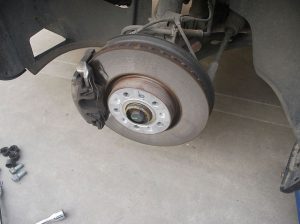
Start by locating the caliper bolts that hold the brake caliper in place. These bolts are usually on the back side of the caliper.
Use a suitable wrench or socket to loosen and remove them. Keep a firm grip on the caliper as you remove the bolts to avoid dropping it, which could damage brake lines.
Carefully Remove The Brake Caliper
Once the bolts are off, gently pull the brake caliper away from the rotor. You might need to wiggle it slightly if it’s stuck due to rust or dirt.
Don’t let the caliper hang by the brake hose. Support it with a hanger or place it on a sturdy surface to prevent strain on the brake lines.
Extract The Old Brake Pads
The brake pads will be seated inside the caliper bracket. Slide them out carefully; they might be snug or slightly stuck if worn down.
Check for any clips or pins holding the pads in place and remove them first. Noticing how the pads sit will help when installing the new ones.
Inspect The Caliper And Rotor
Before disposing of the old pads, inspect the caliper and rotor for damage or excessive wear. Look for grooves, cracks, or rust that might affect braking performance.
This step can save you from installing new pads on components that need replacement themselves. Have you ever replaced pads only to find the rotor was the real issue?
Installing New Brake Pads
Installing new brake pads is a vital step for safe driving. Proper installation ensures your brakes work well and last longer. This section covers key actions for fitting new brake pads correctly. Follow these tips to keep your vehicle stopping smoothly.
Prepare The Brake Caliper
Start by cleaning the brake caliper with a wire brush. Remove dirt and rust for a good fit. Use a C-clamp to push the caliper piston back gently. This creates space for the new brake pads.
Place The New Brake Pads
Align the new brake pads with the caliper bracket. Ensure the friction surface faces the rotor. Slide the pads into place smoothly. Avoid touching the pad surface to keep it clean.
Secure The Brake Pads
Check that the brake pads sit firmly in the bracket. Insert any retaining clips or pins if your car uses them. Tighten bolts or screws to hold the caliper in position. Do not overtighten to avoid damage.
Test The Brake Pedal
Press the brake pedal several times before driving. This action sets the brake pads against the rotor. Ensure the pedal feels firm and responsive. If it feels soft, check the installation again.

Credit: www.youtube.com

Credit: www.youtube.com
Frequently Asked Questions
How Often Should Brake Pads Be Replaced?
Brake pads typically last between 30,000 to 70,000 miles. Replace them when you hear squealing or notice reduced braking efficiency. Regular inspections help ensure timely replacement and safe driving.
What Tools Are Needed To Change Brake Pads?
You need a jack, lug wrench, C-clamp, socket set, and screwdrivers. These tools help remove the wheel, compress the caliper, and replace the pads safely.
How Long Does It Take To Change Brake Pads?
Changing brake pads usually takes 30 to 60 minutes per axle. Time varies based on experience and vehicle type. Proper preparation speeds up the process and ensures quality work.
Can I Change Brake Pads Without Professional Help?
Yes, with basic mechanical skills and proper tools, you can change brake pads yourself. Follow safety guidelines and vehicle-specific instructions carefully to avoid damage or injury.
Conclusion
Changing brake pads on a car is easier than many think. Follow each step carefully and take your time. Using the right tools helps avoid mistakes. Check your work before driving to stay safe. Regular brake maintenance keeps your car running well.
Try this guide next time your brakes need help. You will feel proud fixing your own car. Stay safe and enjoy smoother, quieter brakes.