
Strapping your baby safely in a car seat is one of the most important tasks you do as a parent. But it can feel confusing or tricky at times.
You want to make sure your little one is snug, secure, and comfortable every time you hit the road. In this guide, you’ll discover simple, step-by-step tips to buckle your baby in correctly—so you can drive with confidence and peace of mind.
Keep reading to learn exactly how to do it right, every time.
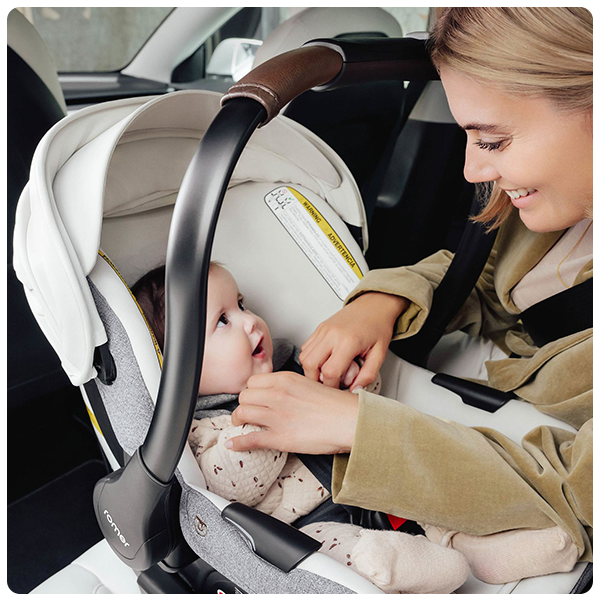
Credit: www.thebump.com
Choosing The Right Car Seat
Choosing the right car seat is the first step to keep your baby safe during car rides. It ensures proper fit and protection. A good car seat matches your baby’s size and age. It must also meet safety standards. Understanding different types, guidelines, and certifications helps you pick the best option.
Types Of Car Seats
Car seats come in various types designed for specific stages of growth.
- Infant Car Seats:Rear-facing only, for newborns and small babies.
- Convertible Car Seats:Can be rear-facing or forward-facing as the child grows.
- Booster Seats:For older children who have outgrown forward-facing seats.
Choosing the right type depends on your child’s age and weight.
Age And Weight Guidelines
Each car seat type has clear age and weight limits to ensure safety.
- Infant seats usually fit babies from birth to 12 months, up to 22 pounds.
- Convertible seats support children from infancy to about 4 years, depending on weight.
- Booster seats suit kids generally from 4 to 12 years old or 40 to 100 pounds.
Check the seat’s label to confirm it matches your child’s size.
Safety Certifications
Look for safety certifications on every car seat. They show the seat meets strict safety rules.
- FMVSS 213:The U.S. Federal Motor Vehicle Safety Standard for child restraints.
- JPMA Certified:Indicates testing by the Juvenile Products Manufacturers Association.
- Check labels for these marks before buying.
Certified seats offer tested protection in crashes and accidents.
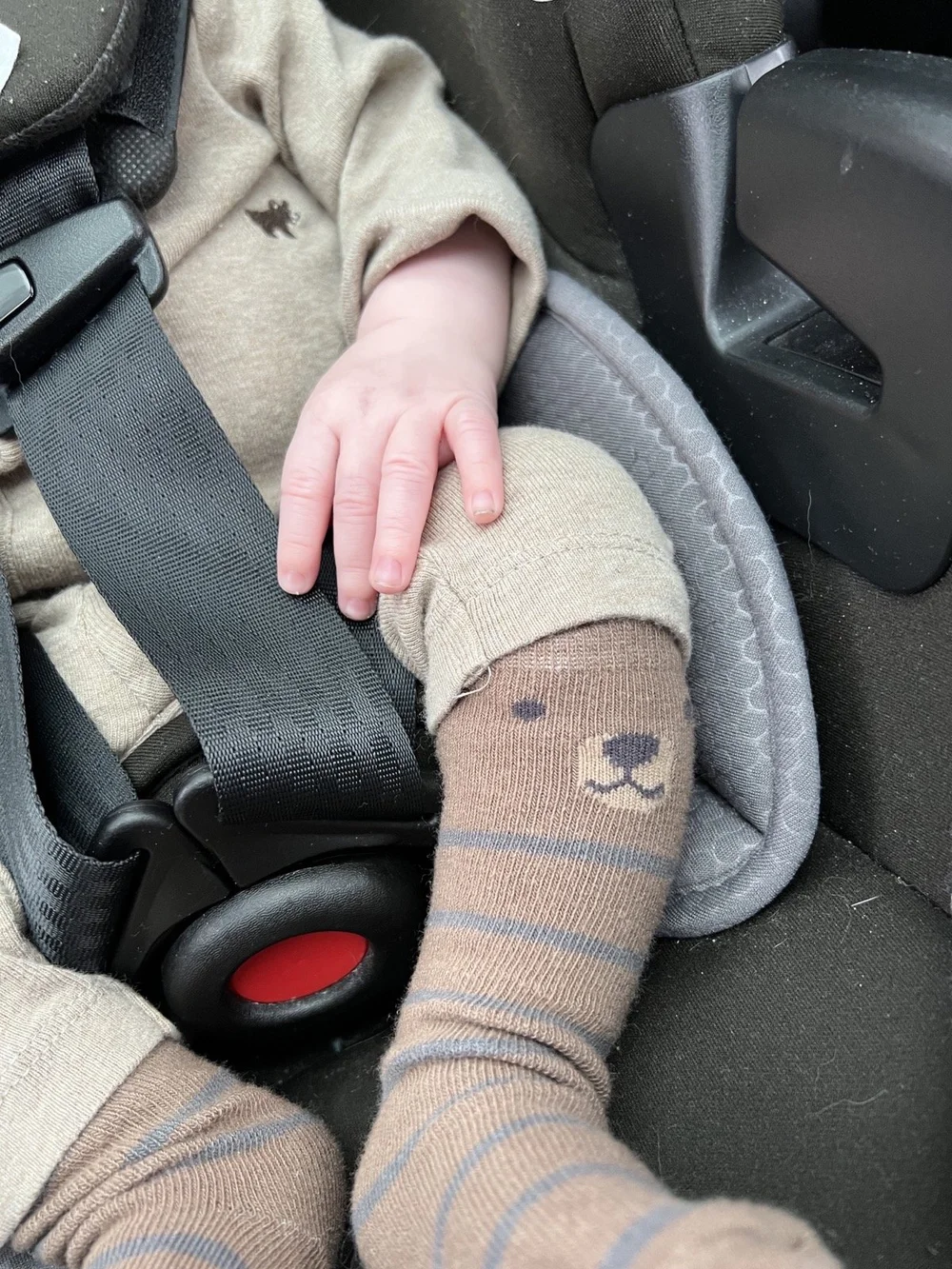
Credit: www.lmentsofstyle.com
Positioning Your Baby Correctly
Positioning your baby correctly in the car seat ensures safety and comfort during every trip. A well-placed baby reduces risks and helps maintain proper posture. Small adjustments can make a big difference in how secure your child feels. Focus on the seat angle, head and neck support, and clothing to achieve the best fit.
Proper Seat Angle
The car seat must be reclined at the correct angle to keep your baby safe. A 45-degree angle is usually recommended for newborns. This angle prevents the baby’s head from falling forward, which can block their airway.
Check the car seat’s built-in angle indicator. Adjust the seat until the indicator shows the proper position. Use rolled towels or car seat inserts if extra support is needed to maintain this angle.
Head And Neck Support
Your baby’s head and neck need firm support to avoid injury. Use the car seat’s built-in headrest or add approved inserts. These keep the head aligned with the spine and prevent it from leaning to the side.
Ensure the harness straps are snug and sit at or just below your baby’s shoulders. This keeps the neck stable and distributes pressure evenly during sudden stops.
Clothing Considerations
Dress your baby in thin layers to avoid bulky clothing under the harness. Thick coats or blankets can prevent the straps from fitting tightly. This reduces the car seat’s effectiveness in a crash.
- Place blankets over the harness after strapping your baby securely.
- Remove bulky items before securing your baby.
- Check the fit regularly as your baby grows or changes clothes.
Securing The Straps Safely
Securing the straps safely is crucial for your baby’s protection in the car seat. Proper strap safety ensures your child stays secure during every ride. Straps must fit snugly and be placed correctly. Loose or twisted straps can reduce safety. Follow these tips to make sure the straps hold your baby safely and comfortably.
Adjusting Harness Straps
Adjust harness straps to fit your baby’s size. The straps should lie flat without twists. Tighten the straps until you cannot pinch any slack. Straps too loose reduce protection in a crash. Adjust the height of the straps to the correct slot. The straps should be at or just below the shoulders for rear-facing seats. For forward-facing seats, place the straps at or just above the shoulders.
Chest Clip Placement
Place the chest clip at armpit level. This keeps the harness straps in the right position. A chest clip too high or low can let the baby slip out. It also helps distribute crash forces evenly. Make sure the chest clip is centered on the baby’s chest. Check this every time you strap your baby in.
Double-checking The Fit
After securing the straps, double-check the fit. Check that straps are snug but not digging into the baby’s skin. Ensure the harness is not twisted or loose. The chest clip should stay at armpit level. Give a gentle tug on the straps to confirm they hold firmly. Always verify the fit before starting your trip.

Credit: maxicosi.com
Frequently Asked Questions
How Do I Properly Strap My Baby In A Car Seat?
Place the baby in the seat and position the harness straps at or below shoulder level. Buckle the harness and chest clip securely. Tighten the straps until snug, ensuring you cannot pinch any slack at the shoulders. Position the chest clip at armpit level for safety.
When Should I Adjust The Car Seat Straps For My Baby?
Adjust the straps whenever your baby grows or wears bulky clothing. Regularly check that the harness fits snugly without slack. Straps should be at or below shoulder level for rear-facing seats and at or above for forward-facing seats.
Can I Use Car Seat Strap Covers For My Baby?
Yes, but ensure covers do not interfere with the harness fit. Use only manufacturer-approved strap covers to avoid safety risks. Avoid bulky or padded covers that can loosen the straps and reduce protection in a crash.
How Tight Should The Baby Car Seat Straps Be?
Straps should be tight enough that you cannot pinch any slack at the shoulder. The harness should hold the baby securely without causing discomfort. Proper tightness ensures safety and prevents excessive movement during travel.
Conclusion
Strapping your baby safely in a car seat is very important. Always check the straps are snug but comfortable. Make sure the chest clip sits at armpit level. Double-check the seat’s installation before every trip. These small steps keep your baby secure and happy.
Safe travel starts with proper car seat use. Take your time and stay calm. Your baby’s safety is worth every effort. Keep practicing, and it will become easy. Drive safely and enjoy the journey together.