
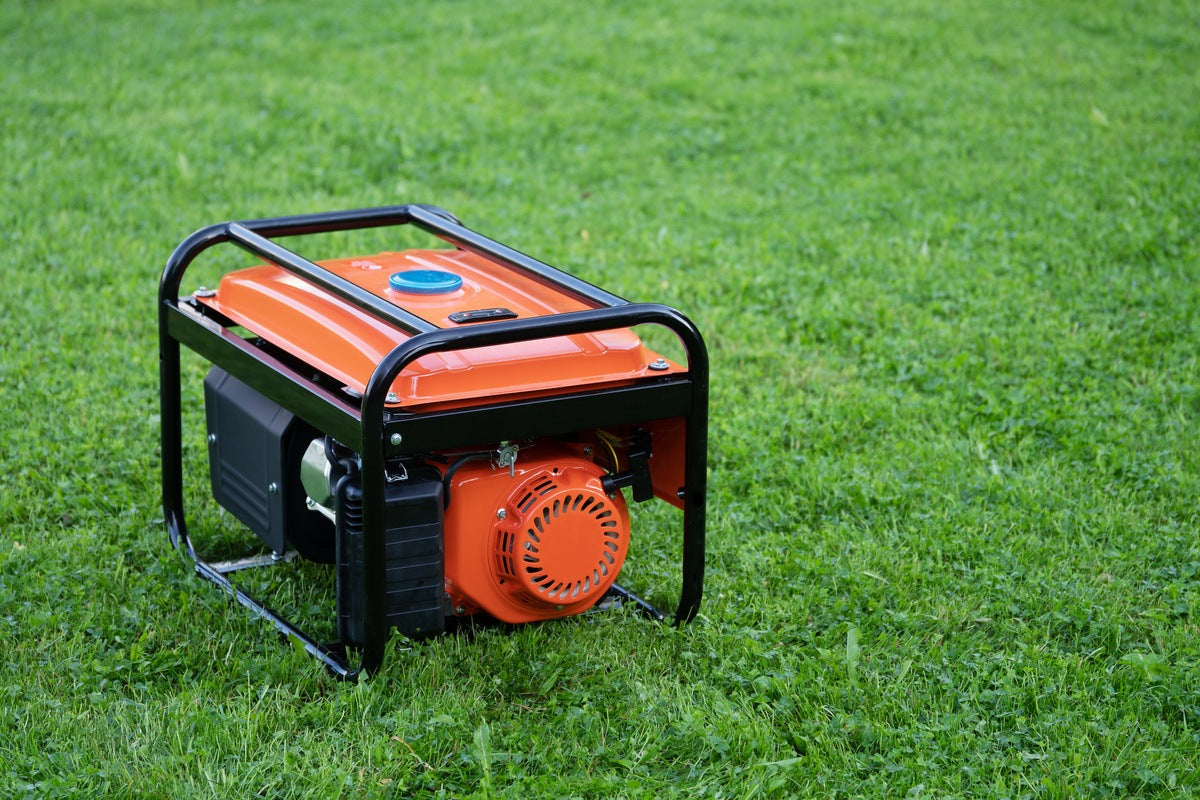
Are you using a portable generator or thinking about getting one? You might be wondering if your generator needs to be grounded for safety.
This question is more important than you may realize. Getting it wrong can put you and your family at risk of electric shock or damage to your equipment. You’ll discover clear, simple answers about grounding portable generators. By the time you finish reading, you’ll know exactly what to do to keep yourself safe and your power running smoothly.
Keep reading—you don’t want to miss these crucial tips!

Credit: www.amazon.com
Grounding Basics For Portable Generators
Understanding the basics of grounding is essential for anyone using a portable generator. Grounding keeps your generator safe and helps prevent accidents. It creates a safe path for electricity to flow into the earth, reducing the risk of electric shock or fire. This section explains what grounding is and why it matters for portable generators.
What Is Grounding?
Grounding means connecting the generator to the earth using a wire or rod. This connection helps direct extra electricity safely into the ground. It protects people and devices from electrical faults or surges. Without grounding, electricity can build up and cause harm.
Most portable generators have a grounding terminal. Users can attach a grounding rod to this terminal. The rod is driven into the soil outside. This setup ensures any stray electricity flows away from the generator.
Why Grounding Matters
Grounding prevents electric shock by giving electricity a safe path. It stops electricity from passing through a person who touches the generator. This reduces the risk of injury or death.
Grounding also protects the generator and connected appliances. It helps avoid damage caused by power surges or lightning strikes. This keeps your devices working properly and lasts longer.
In many places, grounding is required by law or safety codes. Following grounding rules keeps you safe and legal.
When To Ground Your Generator
Knowing when to ground your portable generator is crucial for safety. Grounding prevents electrical shocks and protects your equipment. Not all situations require grounding, but some clearly do.
Situations Requiring Grounding
- Generators connected to a home’s electrical system must be grounded.
- When using metal rods or stakes to secure the generator, grounding is needed.
- Outdoor use on wet or damp ground calls for grounding to avoid shocks.
- Generators with a separate neutral and grounding wire require grounding.
- When local codes or manufacturer instructions demand grounding, follow them.
Exceptions To Grounding Rules
- Generators used only with appliances plugged directly into their outlets may not need grounding.
- Some portable generators have a floating neutral design, which can eliminate grounding needs.
- Small, lightweight generators used in dry areas might not require grounding.
- If the generator’s frame is insulated from the ground, grounding might be unnecessary.
- Always check the manual for exceptions specific to your generator model.
Safety Tips For Generator Use
Using a portable generator safely is very important. Generators can provide power during outages but also pose risks if handled wrongly. Follow simple safety tips to protect yourself and others. These tips cover where to place your generator, how to avoid electrical dangers, and how to keep it well-maintained.
Proper Placement And Setup
- Place the generator outdoors in a dry, well-ventilated area.
- Keep it at least 20 feet away from windows, doors, and vents.
- Use a level surface to prevent fuel spills and damage.
- Never run a generator inside homes or garages.
- Use heavy-duty, outdoor-rated extension cords.
Preventing Electrical Hazards
- Always ground your generator according to the manual.
- Do not connect the generator directly to house wiring without a transfer switch.
- Turn off the generator before refueling.
- Keep the generator dry and never touch it with wet hands.
- Use circuit breakers or fuses to prevent overloads.
Maintenance And Inspection
- Check oil levels before each use.
- Inspect fuel lines and connections for leaks.
- Clean or replace air filters regularly.
- Test the generator monthly during off-season.
- Store fuel in approved containers away from the generator.

Credit: www.angi.com

Credit: truegear.com.au
Frequently Asked Questions
Do Portable Generators Always Require Grounding?
Not all portable generators need grounding. It depends on the model and local electrical codes. Always check the manufacturer’s instructions and follow local regulations to ensure safe use and compliance.
How Does Grounding Improve Generator Safety?
Grounding prevents electrical shocks by directing stray electricity safely to the earth. It reduces the risk of electrocution and equipment damage, ensuring safer operation during power outages or outdoor use.
Can I Operate A Portable Generator Without Grounding It?
Some generators have a bonded neutral and don’t require separate grounding. However, always confirm with the user manual and local codes before operating ungrounded to avoid safety hazards.
What Happens If A Portable Generator Is Not Grounded?
Without grounding, electrical faults may cause shocks or fires. Ungrounded generators increase the risk of electrocution and damage to appliances connected to the generator, compromising overall safety.
Conclusion
Portable generators often need grounding for safety and proper operation. Grounding helps protect against electric shocks and damage. Always check the generator’s manual for specific grounding rules. Using the right grounding method keeps you and your devices safe. Never guess or skip grounding steps.
Safety should be your top priority when running a portable generator. Simple precautions prevent accidents and ensure smooth power supply. Stay safe, follow guidelines, and enjoy reliable generator use.