
Have you ever wondered why turn signals on cars almost always glow amber? It’s a detail you might not notice every day, but it plays a big role in keeping you safe on the road.
Understanding why amber lights are used can help you appreciate how your car communicates with others while driving. Keep reading, and you’ll discover the surprising reasons behind this simple yet powerful safety feature.
Turn Signal Colors Explained
Turn signals are a key safety feature on every car, guiding other drivers and pedestrians about your next move. The color of these signals isn’t just a design choice—it affects visibility and communication on the road. Understanding why turn signals use certain colors helps you recognize the rules and improves your awareness as a driver.
Amber Vs. White Signals
Amber turn signals are the most common across the globe because they catch attention quickly. The bright yellow-orange hue stands out against most backgrounds, especially in low light or bad weather. This makes amber signals highly effective at warning others of your intentions.
White turn signals, on the other hand, are less common and can sometimes confuse drivers. In some vehicles, white lights are used for front turn signals or daytime running lights, but not for signaling a turn. If your car uses white signals, ask yourself if they are as visible and clear as amber ones—visibility matters more than style.
Regional Color Variations
Different countries have different rules about turn signal colors. In the United States and much of Europe, amber is standard for rear and front indicators. However, some countries allow or even require white front turn signals, while rear signals remain amber or red.
This regional variety can affect drivers who travel or move internationally. Have you ever noticed how a turn signal that looks clear in one country feels less obvious in another? This difference highlights why you should check your vehicle’s signal colors if you relocate or import a car. Staying informed helps you drive safely and avoid misunderstandings on the road.
Credit: www.corollacrossforum.com
Safety Benefits Of Amber Lights
Amber turn signals improve road safety by enhancing communication between drivers. Their color stands out clearly against various backgrounds, making intentions easy to see. This helps reduce accidents caused by unclear signaling. The safety benefits of amber lights make them the preferred choice for turn signals worldwide.
Visibility In Different Conditions
Amber lights remain bright in fog, rain, and snow. They cut through poor weather better than white or red lights. Drivers can spot amber signals from a greater distance. This early visibility allows more time to react safely. The distinct color also reduces confusion with brake lights or headlights.
Impact On Driver Reaction
Amber signals prompt quicker responses from nearby drivers. The color grabs attention and signals a change is coming. This prepares drivers to slow down or change lanes safely. Studies show amber lights improve reaction times by several seconds. Faster reactions lower the risk of collisions at intersections and highways.
Legal Requirements And Standards
Turn signals on cars must follow strict legal rules and standards. These rules ensure that drivers use clear and recognizable signals. The color of turn signals, especially amber lights, is a key part of these regulations. Laws vary by country but generally aim to improve road safety and communication between drivers.
International Regulations
Many countries follow international guidelines for vehicle lighting. The United Nations Economic Commission for Europe (UNECE) sets standards used by over 50 countries. UNECE requires front and side turn signals to use amber lights. Rear turn signals can be amber or red, depending on local rules.
In the United States, the Federal Motor Vehicle Safety Standards (FMVSS) regulate turn signal colors. Amber is required for front signals and allowed for rear signals. Red is also accepted for rear signals in the U.S. This mix helps drivers recognize signals quickly.
Exceptions And Special Cases
Some countries allow different colors for turn signals. Japan, for example, permits rear turn signals to be red only. Australia requires amber signals on both front and rear in most cases.
Classic cars and custom vehicles sometimes have special exemptions. They may use different colors if approved by local authorities. Motorcycles often follow separate rules, sometimes allowing only amber signals.
Emergency vehicles may use flashing lights in multiple colors. These lights differ from turn signals but must still meet legal standards.

Credit: www.reddit.com
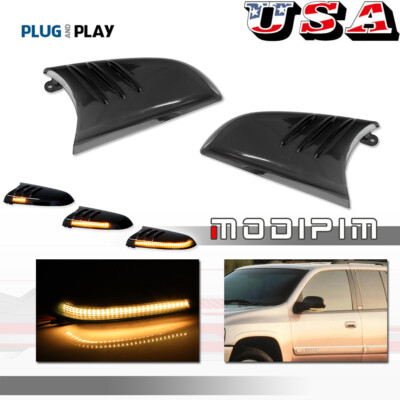
Credit: www.ebay.ca
Frequently Asked Questions
Do All Cars Use Amber Lights For Turn Signals?
Most cars use amber lights for turn signals due to safety standards. Amber is more visible and distinct than other colors. Some older or specific models may use red signals, but amber is widely preferred worldwide.
Why Are Amber Lights Preferred For Car Turn Signals?
Amber lights are preferred because they grab attention quickly. Their color stands out in various weather conditions. This reduces accidents by clearly indicating the driver’s intentions to other road users.
Are Red Turn Signals Allowed Instead Of Amber?
Red turn signals are allowed in some countries and older vehicles. However, amber is often mandated by law in many regions for better visibility and safety. Regulations vary by location and vehicle type.
How Do Amber Turn Signals Improve Road Safety?
Amber turn signals improve safety by being highly visible and unique. They reduce confusion between braking and signaling. This clear communication helps prevent collisions and enhances overall traffic flow.
Conclusion
Turn signals on most cars use amber lights for safety. Amber lights are easier to see in different weather conditions. They help other drivers know your intentions clearly. Some cars may have different colors, but amber is the standard. Using amber turn signals improves road communication.
It helps prevent accidents and keeps everyone safe. Always check your turn signals regularly to ensure they work well. Clear signals mean safer driving for you and others. Simple but important.