
Have you ever felt your car shake or vibrate when you press the brake pedal? It’s a jarring experience that can leave you worried about your safety and the health of your vehicle.
You might wonder if it’s something serious or just a minor annoyance. Understanding why your car vibrates when you brake can save you money, prevent damage, and keep you safe on the road. You’ll discover the common causes behind this unsettling vibration and what you can do to fix it before it turns into a bigger problem.
Keep reading—you don’t want to miss these important insights.
Credit: medium.com
Common Causes Of Brake Vibration
Feeling your car shake or vibrate every time you hit the brakes can be unsettling. It’s not just annoying—it’s a sign that something in your braking system or related parts needs attention. Understanding the common causes behind this vibration helps you tackle the problem efficiently and keep your driving smooth and safe.
Warped Brake Rotors
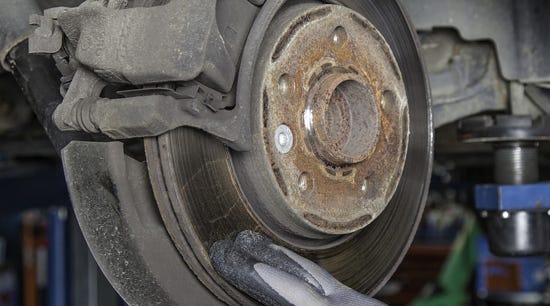
Warped brake rotors are one of the top reasons your car vibrates when braking. Rotors can warp due to excessive heat from heavy or frequent braking, causing uneven surfaces. When the brake pads press against these uneven rotors, the vibration you feel is the result.
Have you noticed vibration mostly at higher speeds? That’s a common symptom of rotor issues. Getting your rotors inspected or resurfaced can often solve the problem.
Worn Brake Pads
Brake pads wear down over time and may cause vibrations if they become uneven or too thin. Worn pads can’t grip the rotors properly, leading to a shaky feeling when you brake. This can also cause squealing or grinding noises.
Regularly checking your brake pads can prevent this. If you hear unusual sounds or feel vibrations, it’s a clear sign to replace the pads.
Loose Or Damaged Suspension
Your suspension system plays a big role in how your car handles braking forces. Loose or damaged suspension parts can cause your vehicle to vibrate or shake when stopping. This includes worn bushings, tie rods, or control arms.
If the vibration feels more like a shake throughout the whole car and not just the brake pedal, suspension issues might be the culprit. Getting a suspension check can help you pinpoint the problem.
Tire Issues
Uneven tire wear, unbalanced tires, or incorrect tire pressure can also cause brake vibrations. Tires that aren’t properly balanced create wobbling that you’ll feel during braking. Similarly, tires with uneven tread wear won’t grip the road evenly.
Have you recently hit a pothole or curb? That might have affected your tire balance or alignment, contributing to the vibration. A quick tire inspection or balancing session may fix this easily.
Diagnosing Brake Vibration Problems
Figuring out why your car vibrates when you brake can save you from bigger repair bills and unsafe driving conditions. Diagnosing brake vibration problems involves careful observation and a step-by-step check of the possible causes. By understanding the root of the issue, you can decide whether it’s a quick fix or time for professional help.
Identifying Vibration Patterns
Pay close attention to when and how the vibration happens. Does the shaking occur only when you press the brake pedal hard, or is it constant at lower speeds? Noticing if the vibration affects the steering wheel, the brake pedal, or the entire car can narrow down the cause.
Imagine feeling a trembling only at high speeds during braking—that often points to warped brake rotors. On the other hand, vibrations felt through the brake pedal might suggest worn-out brake pads or uneven rotor surfaces. Have you noticed any changes in vibration after driving through potholes or rough roads?
Checking Brake Components
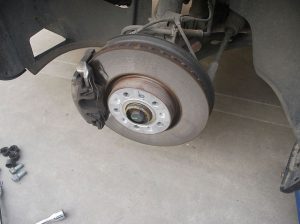
Once you know the vibration pattern, inspect the brake parts themselves. Look at the brake rotors for signs of warping or scoring—these can cause uneven contact and shaking. Also, examine the brake pads for uneven wear or contamination from oil or dirt.
Loose or worn calipers can cause vibration too, so make sure all components are securely mounted. If you’re comfortable, remove the wheels to get a clearer view of these parts. Remember, even a small crack in the rotor can lead to noticeable vibration.
Inspecting Tires And Wheels
Don’t overlook your tires and wheels when diagnosing brake vibration. Tires that are out of balance or have uneven wear can mimic brake problems. Check for bulges, flat spots, or uneven tread wear patterns that might contribute to shaking.
Wheel alignment issues or bent rims can also cause vibrations during braking. Sometimes, simply rotating the tires or getting a wheel balance can resolve the issue. Have you checked your tire pressure recently? Low or uneven pressure can worsen vibrations and affect braking performance.
Quick Fixes To Stop Brake Vibration
Brake vibration can make driving uncomfortable and unsafe. Many simple fixes can reduce or stop the shaking when braking. Addressing brake vibration early prevents bigger problems. Some solutions involve parts of the brake system, while others focus on the vehicle’s suspension and tires.
Resurfacing Or Replacing Rotors
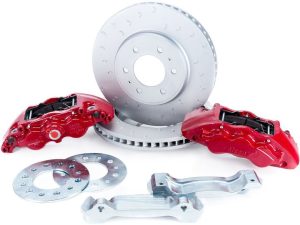
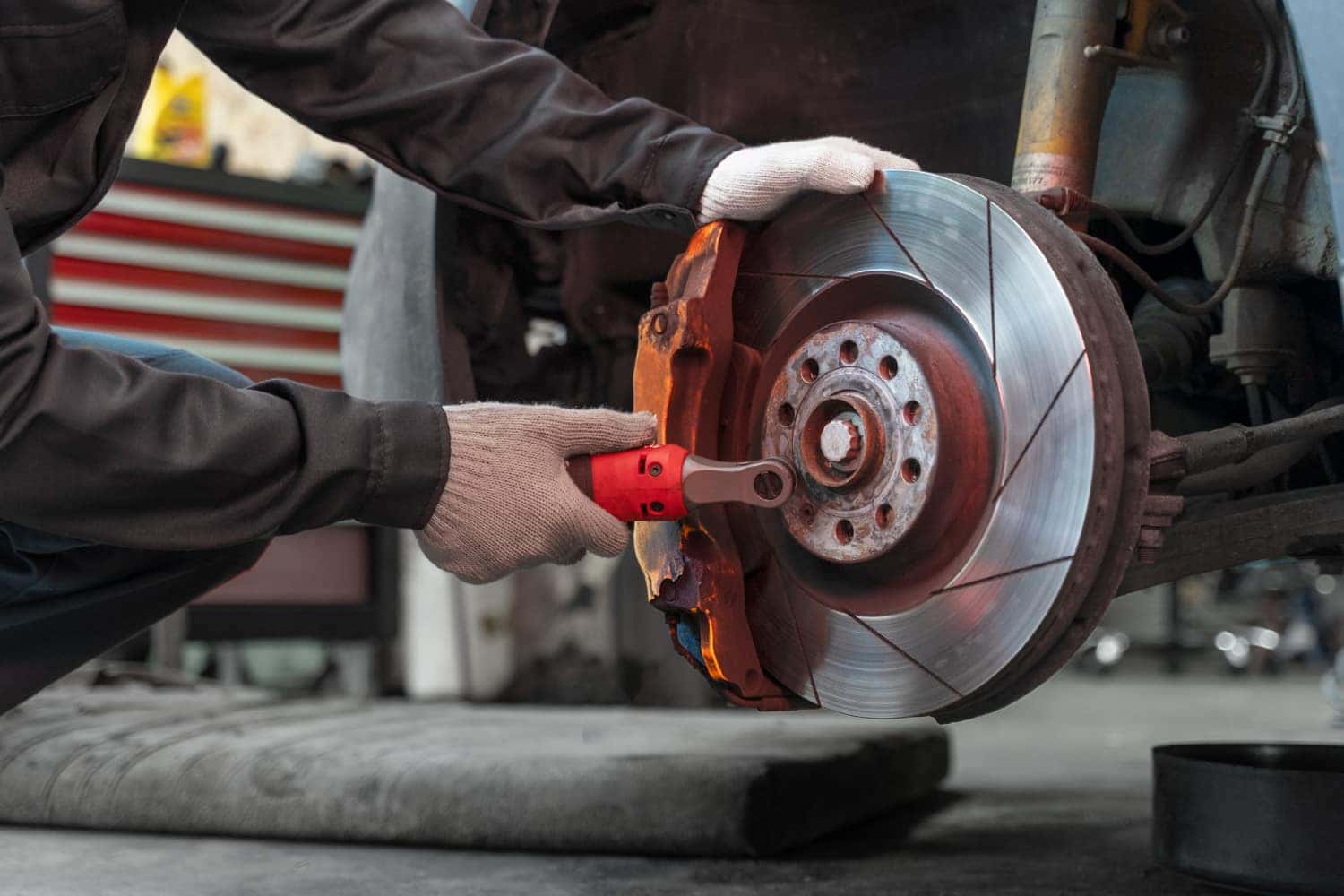
Rotors may develop uneven surfaces from wear and tear. This causes the brake pads to grab inconsistently, leading to vibration. Resurfacing smooths out the rotor surface. If rotors are too thin or warped, replacement is necessary. New rotors restore smooth braking and reduce shaking.
Replacing Brake Pads
Old or worn brake pads lose their ability to grip properly. This causes uneven braking and vibration. Replacing brake pads with new ones improves contact with the rotors. Quality pads also reduce noise and increase braking power. This is a common fix for brake vibration.
Tightening Suspension Parts
Loose suspension components can cause shaking during braking. Check parts like control arms, ball joints, and tie rods. Tighten any loose bolts or replace worn parts. Properly secured suspension helps keep the vehicle stable. This reduces vibration felt in the brake pedal or steering wheel.
Balancing And Aligning Tires
Unbalanced or misaligned tires cause uneven wear and vibration. Balancing adds weights to tires for smooth rotation. Wheel alignment adjusts angles to factory settings. Both help tires wear evenly and reduce shaking. Well-balanced and aligned tires improve braking performance and ride comfort.

Credit: www.autorepairmechanic.shop
Credit: www.serratraversecity.com
Frequently Asked Questions
Why Does My Car Vibrate When Braking?
Car vibration during braking usually indicates warped brake rotors. Uneven rotor surfaces cause the brake pads to grab inconsistently. This creates a pulsating feel in the brake pedal and steering wheel. Timely rotor resurfacing or replacement can fix this issue.
Can Worn Brake Pads Cause Car Vibration?
Yes, worn brake pads can cause vibrations. Thin pads reduce braking efficiency and cause uneven contact. This leads to shaking or pulsating when you apply brakes. Replacing brake pads promptly ensures smooth braking and eliminates vibration.
Does Tire Condition Affect Brake Vibration?
Tire issues can contribute to brake vibrations. Unbalanced or misaligned tires cause shaking when braking. Also, uneven tire wear impacts vehicle stability. Regular tire maintenance and alignment can reduce or eliminate brake-related vibrations.
Is Brake Caliper A Reason For Vibration?
A sticking or faulty brake caliper can cause vibration. It results in uneven brake pressure and uneven pad wear. This uneven braking pressure creates shaking sensations. Inspecting and repairing calipers helps maintain smooth braking performance.
Conclusion
Car vibrations during braking signal an issue with your vehicle. Common causes include worn brake pads, warped rotors, or tire problems. Addressing these issues quickly keeps driving safe and smooth. Regular brake checks help catch problems early. Stay alert to unusual car behavior to avoid costly repairs.
Taking care of your brakes protects you and others on the road. Don’t ignore vibrations—they often mean it’s time for maintenance or repair. Keep your car in good shape and enjoy safer driving every day.