
Have you ever wondered what happens when you flick your car’s turn signal? Those blinking lights might seem simple, but there’s more going on behind the scenes than you think.
Understanding how your car’s signal lights work can help you become a smarter driver and even prevent accidents. You’ll discover the secrets inside those flashing bulbs and why they’re so important every time you hit the road. Keep reading—you’ll be surprised at how a small switch keeps you and others safe.

Credit: www.youtube.com
Types Of Car Signal Lights
Car signal lights play a crucial role in communication on the road. They help you convey your intentions clearly to other drivers and pedestrians, improving safety for everyone. Understanding the different types of signal lights can help you use them more effectively and avoid common mistakes that lead to accidents.
Turn Signals
Turn signals, also known as indicators, show your intention to turn left or right. You activate them by moving the signal lever up or down, causing the lights to blink on the side you’re turning.
These lights are essential during lane changes and turns. Have you ever noticed how many near-misses happen when a driver forgets to signal? It’s a simple action that can prevent confusion and collisions.
Hazard Lights
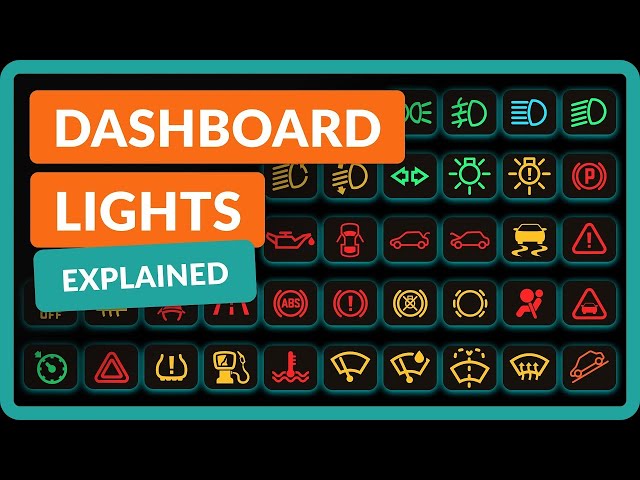
Hazard lights flash all the turn signal lights simultaneously. They warn other drivers that your vehicle is stopped or moving slowly due to an emergency or breakdown.
Use hazard lights when your car is a potential obstacle on the road. They grab immediate attention, helping others react quickly to unusual situations.
Brake Lights
Brake lights activate when you press the brake pedal, signaling that you are slowing down or stopping. These bright red lights at the rear tell drivers behind you to reduce speed.
Have you ever been tailgated and wished the car in front would signal earlier? Proper brake light function is key to preventing rear-end collisions and keeping traffic smooth.
Credit: medium.com
How Signal Lights Operate
Understanding how your car’s signal lights operate can change the way you approach driving safety. These lights are more than just blinking bulbs; they are part of a smart system designed to communicate your intentions clearly to others on the road. Let’s break down the key components that make your turn signals work reliably every time.
Electrical Circuit Basics
Your car’s signal lights run on a simple electrical circuit. When you flip the turn signal lever, it completes the circuit, allowing electricity to flow to the signal bulbs. This flow of electricity powers the lights, making them blink on and off.
The circuit includes a power source (your car’s battery), wiring, the switch (turn signal lever), and the signal bulbs. Any break or fault in this circuit can cause the signals to stop working, which can be dangerous. Have you ever wondered why sometimes one side blinks faster than the other? That’s often due to a problem in the electrical circuit.
Bulbs And Leds
Older cars use incandescent bulbs for signal lights, which contain a filament that glows when electricity passes through. These bulbs are simple but can burn out over time. Newer cars often use LEDs (Light Emitting Diodes), which are more energy-efficient and last much longer.
LEDs turn on instantly and don’t heat up like traditional bulbs. This means your signals become more visible to others, improving safety. If you notice your signal lights are dim or flickering, checking the bulbs or LEDs is a good first step.
Flasher Relay Function
The flashing effect of your signal lights is controlled by a component called the flasher relay. This device turns the lights on and off at a steady rate, usually about once per second. Without the relay, your signals would stay constantly lit and not blink.
The relay works by heating up and cooling down an internal switch, causing it to open and close repeatedly. Some modern cars use electronic relays that rely on circuits instead of mechanical parts. If your signals blink too fast or too slow, the flasher relay or the bulbs might be the cause.
Safety Benefits Of Using Signal Lights
Using car signal lights brings important safety benefits. They help drivers share their plans clearly. This simple act reduces confusion and risk on the road. Signal lights guide traffic smoothly and prevent many accidents.
Preventing Accidents
Signal lights warn other drivers about your next move. They show when you want to turn or change lanes. This early warning gives others time to react. Sudden moves often cause crashes. Using signals cuts down these surprises. It makes roads safer for everyone.
Communicating Intentions
Signal lights act like a language on the road. They tell others what you plan to do. This clear communication avoids misunderstandings. Drivers, cyclists, and pedestrians can predict your actions. It helps all road users share space safely. Good communication lowers stress and danger.
Legal Requirements
Most places require drivers to use signal lights by law. Not using them can lead to fines or penalties. Laws exist to protect all road users. Following these rules shows respect for others. It also helps keep traffic orderly. Using signals is both a legal duty and a safety measure.
Credit: m.youtube.com
Frequently Asked Questions
How Do Car Signal Lights Function?
Car signal lights use an electrical circuit to flash bulbs or LEDs. When activated, they send blinking signals to indicate turning or lane changes. This helps communicate driver intentions and improves road safety by alerting other drivers.
What Components Make Up Car Signal Lights?
Car signal lights consist of bulbs or LEDs, a flasher relay, wiring, and a switch. The switch activates the circuit, the relay controls blinking, and the bulbs or LEDs emit light. These parts work together to create clear turn signals.
Why Do Car Signal Lights Blink Instead Of Stay On?
Blinking draws attention more effectively than a steady light. The flasher relay turns the signal light on and off rapidly. This blinking pattern signals an intended turn or lane change to other drivers, enhancing safety on the road.
Can Faulty Signal Lights Affect Driving Safety?
Yes, faulty signal lights can confuse other drivers and increase accident risks. Properly working signals clearly communicate your intentions. Regular maintenance ensures signals blink correctly and stay bright, keeping you and others safe while driving.
Conclusion
Car signal lights help drivers communicate on the road. They show when a car will turn or change lanes. This simple system keeps traffic safe and smooth. Knowing how these lights work helps you stay alert. Always use your signals to avoid accidents.
Clear signals make driving easier for everyone. Remember, small actions like signaling make big differences. Stay safe by using your car’s signal lights properly.