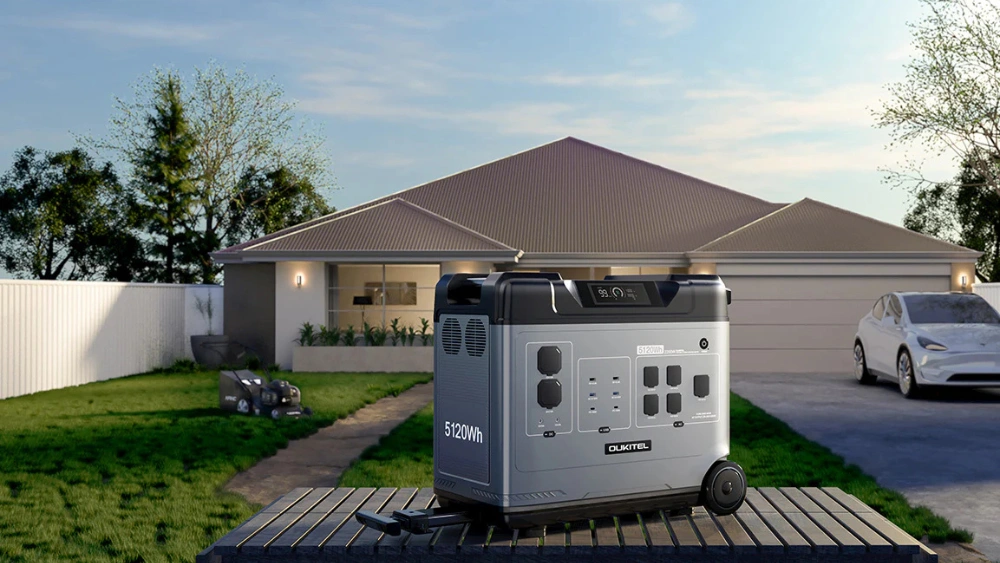
Have you ever wondered what keeps your home powered when the lights suddenly go out? A portable generator might be the answer you need.
It’s not just a box that makes noise—it’s a smart device that can keep your essential appliances running smoothly during an outage. Understanding how portable generators work for your house can give you peace of mind and help you make the best choice for your family’s safety and comfort.
Keep reading, and you’ll discover exactly how these powerful machines step in to save the day when your main power source fails.
Generator Components
Understanding the components of a portable generator helps you appreciate how it keeps your house powered during an outage. Each part plays a vital role in converting fuel into usable electricity. Knowing these basics can make you more confident in operating and maintaining your generator safely and efficiently.
Engine And Fuel Source
The engine is the heart of your portable generator. It burns fuel—usually gasoline, propane, or diesel—to create mechanical energy. This energy then drives the alternator to produce electricity.
Choosing the right fuel impacts how long your generator runs and how easy it is to refuel. Gasoline is common but can be tricky to store safely for long periods. Propane offers cleaner burning and longer shelf life, but you’ll need compatible tanks and connections.
Alternator Function
The alternator converts the engine’s mechanical energy into electrical energy. Inside, magnets spin around copper coils, creating an electric current. This current is what powers your home’s appliances during an outage.
Quality alternators provide stable voltage output, which is crucial to avoid damage to sensitive electronics. Ever experienced flickering lights or appliance resets? That’s often due to unstable power from a low-quality alternator.
Control Panel Features
The control panel is your command center. It lets you start or stop the generator, monitor fuel levels, and check voltage and frequency. Some models even have automatic shutoff features to protect the engine if oil levels get too low.
Look for easy-to-read gauges and simple controls, especially if you’re new to using generators. A user-friendly panel reduces the chance of mistakes when you need power most.

Credit: www.nytimes.com
Power Supply Process
The power supply process of a portable generator is simple yet effective. It involves several key steps that work together to provide electricity to your home. Understanding these steps helps you use your generator safely and efficiently.
Starting The Generator
To start the generator, first check the fuel level and oil. Turn the fuel valve on. Then, switch the engine to the “on” position. Pull the starter cord or press the electric start button. The engine begins running and prepares to generate power.
Electricity Generation
Once running, the engine spins a rotor inside the generator. This rotor moves within a magnetic field. This motion creates an electric current through electromagnetic induction. The generator converts fuel energy into electrical energy. The power produced is alternating current (AC), suitable for home use.
Power Distribution To Home
Power flows from the generator’s outlet through heavy-duty extension cords or a transfer switch. The transfer switch connects the generator to your home’s electrical panel. This setup directs electricity safely to your home circuits. It powers essential appliances like lights, refrigerators, and heaters. Proper connection avoids backfeed, protecting utility workers and your generator.
Safety And Maintenance
Understanding safety and maintenance is key to getting the most out of your portable generator. Neglecting these aspects can lead to hazardous situations and costly repairs. Paying attention to how you operate and care for your generator ensures it runs smoothly when you need it most.
Safe Operation Practices
Always place your generator outside, away from windows and doors. Carbon monoxide poisoning is a real risk if exhaust gases enter your home.
Keep the generator dry and never operate it in rain or wet conditions without proper protection. Use a canopy or a generator tent designed for this purpose.
Do not overload your generator. Check its wattage capacity and add up the power requirements of your appliances before connecting them. Overloading can damage the generator and your devices.
Have you ever considered how grounding your generator might improve safety? Proper grounding reduces the risk of electrical shock and fires.
Routine Maintenance Tips
Change the oil after the first 20 hours of use, then every 50 hours or as recommended in your manual. Clean oil keeps the engine running smoothly.
Check and clean the air filter regularly to prevent dust from clogging the engine. A clean filter improves fuel efficiency and performance.
Inspect spark plugs every 100 hours and replace them if they look worn or dirty. This small part makes a big difference in starting your generator quickly.
Drain fuel if you won’t use the generator for more than a month. Stale fuel can clog the carburetor and cause starting problems later.
Troubleshooting Common Issues
If your generator won’t start, check the fuel level first. It’s a simple fix that’s easy to overlook.
For rough running or sputtering, inspect the air filter and spark plug. Cleaning or replacing these often solves the problem.
Low power output might mean an overloaded generator or dirty fuel. Try unplugging some devices and refilling with fresh gasoline.
Have you ever faced a generator that suddenly stopped working? Sometimes, a quick reset of the circuit breaker or switching off and on again can bring it back to life.

Credit: www.premium-electric.ca

Credit: www.angi.com
Frequently Asked Questions
How Does A Portable Generator Power A House?
A portable generator converts fuel into electricity to power home appliances. It uses an engine to spin a generator, producing AC power.
Can Portable Generators Run Essential Home Appliances?
Yes, they can run essential appliances like refrigerators, lights, and fans during power outages. Proper wattage capacity is important for efficiency.
What Fuel Types Do Portable Generators Use?
Most portable generators run on gasoline, propane, or diesel. Fuel choice affects runtime, efficiency, and maintenance needs.
Are Portable Generators Safe For Indoor Use?
No, portable generators emit carbon monoxide and must be used outdoors. Proper ventilation and safety precautions are crucial to prevent poisoning.
Conclusion
Portable generators provide reliable power during outages. They run on fuel and create electricity for your home. Simple to use and easy to move, they keep essential devices running. Knowing how they work helps you choose the right model. Safety matters—always follow instructions when operating a generator.
These devices offer peace of mind when power goes out. A good portable generator can keep your home comfortable and safe. Consider your needs before buying one for your house.