
Are you wondering which type of tire chain is best for your car? Choosing the right tire chain can make all the difference when driving in snow or icy conditions.
The wrong choice might leave you stuck or even damage your vehicle. You’ll discover the key factors to consider and the best options for your specific car. Keep reading to find the perfect tire chain that keeps you safe and in control on winter roads.

Credit: www.amazon.com
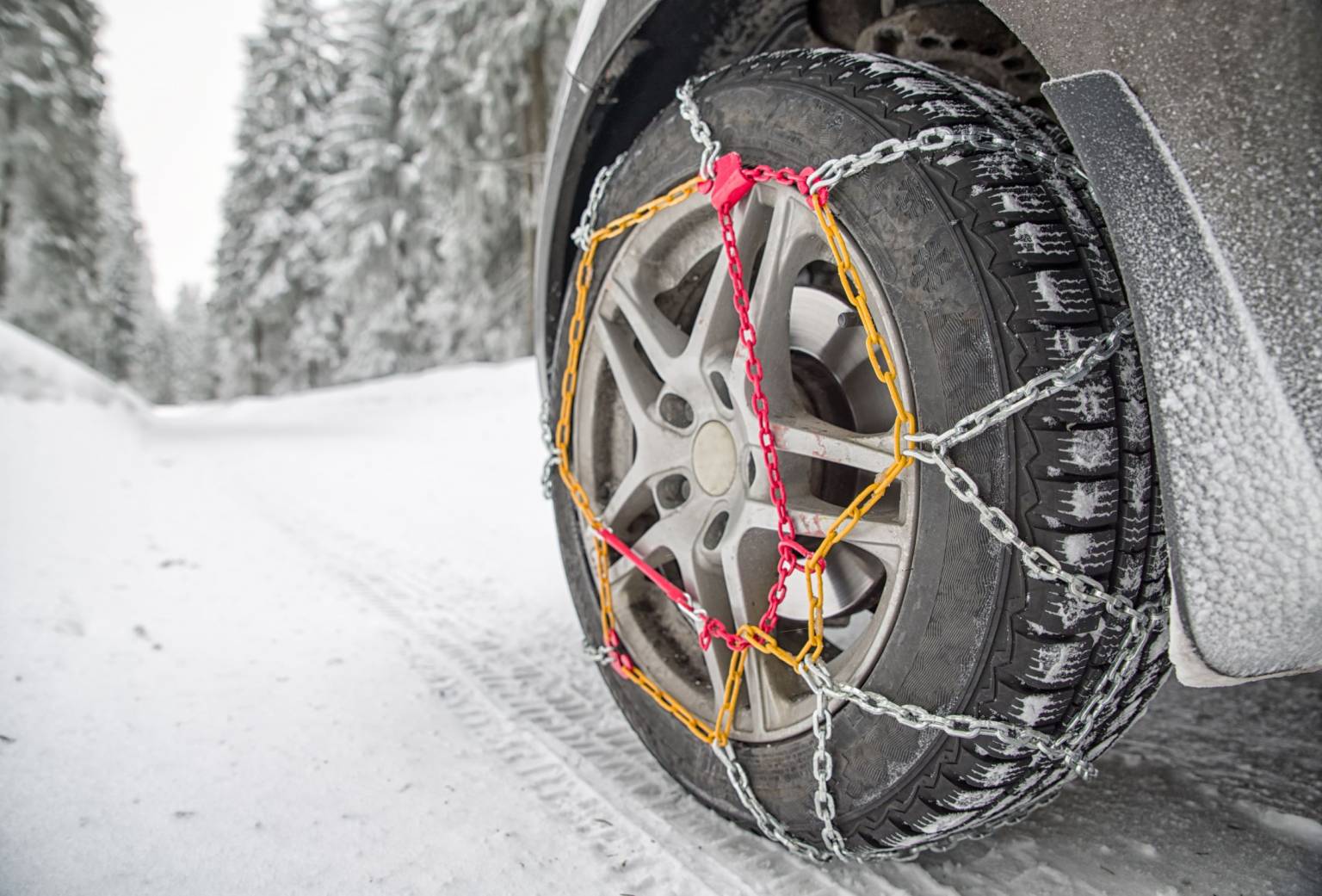
Types Of Tire Chains
Choosing the right tire chain can make a huge difference in your driving safety and comfort during snowy or icy conditions. Different types of chains offer varying levels of grip, ease of installation, and vehicle compatibility. Understanding the main types helps you pick the best option for your car and driving needs.
Link Chains
Link chains are the classic, heavy-duty option made from steel links. They provide excellent traction on ice and snow, making them a favorite for trucks and SUVs that face tough winter roads. However, they can be noisy and may cause some vibration while driving.
If you drive on rough or steep terrain, link chains could be your best bet. Just keep in mind they require some effort to install and remove, so be prepared to spend a few extra minutes when conditions change.
Cable Chains
Cable chains use steel cables instead of thick links, making them lighter and easier to handle. They are less aggressive on your tires and the road, which means quieter rides and less wear on your vehicle.
These chains work well for passenger cars or vehicles with limited clearance around the wheels. Have you noticed how some chains feel bulky? Cable chains are a smart choice if you want something less cumbersome but still effective.
Composite Chains
Composite chains combine metal with other materials like polyurethane or rubber, offering a quieter and smoother drive. They are often easier to install and remove, perfect for drivers who want convenience without sacrificing safety.
These chains are gentle on tires and roads, so you can use them in areas with strict chain laws or sensitive pavement. If you value comfort and quick setup, composite chains might be just what your car needs.
Factors To Consider
Choosing the right tire chain involves more than just picking the first set you see. Several key factors influence which type will work best for your car and driving needs. Understanding these factors helps you stay safe and get the most out of your investment.
Vehicle Compatibility
Not all tire chains fit every vehicle. Your car’s tire size and clearance space around the wheel are crucial. Some chains are too bulky for cars with limited wheel well space, especially newer models with low-profile tires.
Check your owner’s manual or tire sidewall for size details. If you drive an SUV or truck, heavy-duty chains might be necessary. For smaller cars, look for chains labeled as “low-profile” or “compact fit.”
Driving Conditions
Think about where you’ll be using the chains most often. Are you navigating steep mountain roads, or just crossing a snowy city street? Chains designed for heavy snow and ice differ from those made for occasional light snow.
Metal chains offer strong grip but can damage pavement if used on bare roads. Alternatives like cable chains or textile traction devices work better for mixed conditions. What type of terrain do you encounter regularly?
Installation Ease
How easy is it to put the chains on your tires? Some chains come with quick-release systems or self-tightening features that save time and hassle. Others require more manual effort and practice.
Consider your comfort level with installation, especially in cold or dark conditions. Have you tried fitting chains before? Choosing chains that match your skill can make a big difference in an emergency.
Maintenance And Safety Tips
Choosing the right tire chains is just the beginning. Maintaining them and using them safely ensures they perform well when you need them most. Neglecting these aspects can lead to damage, accidents, or fines, so it’s important to stay informed and prepared.
Proper Installation
Installing tire chains correctly is crucial for your safety and the chains’ effectiveness. Always fit the chains while your car is on a flat surface to avoid slipping.
Make sure the chains are snug but not too tight to prevent damage to your tires or vehicle. After installation, drive a short distance and then stop to re-tighten the chains if necessary.
Chain Care
Keeping your chains clean and dry after use extends their lifespan. Rinse off any salt, mud, or debris to prevent rust and corrosion.
Store chains in a cool, dry place, preferably in a sealed bag or container. Check for broken links or worn parts before each use—damaged chains can fail unexpectedly.
Legal Requirements
Did you know that some states or regions require specific types of tire chains or traction devices? Failing to comply can result in fines or being barred from certain roads.
Check local regulations before heading out, especially in mountainous or snowy areas. Knowing the rules helps you choose the right chains and avoid unnecessary trouble.

Credit: www.walmart.com
Credit: gearjunkie.com
Frequently Asked Questions
What Types Of Tire Chains Fit Most Cars?
Tire chains come in various sizes and patterns. Most cars use cable or link chains. Always check your car’s manual for recommended chain types and sizes to ensure safe and proper fit.
How To Choose Tire Chains For Winter Driving?
Select chains based on your vehicle type and tire size. Consider road conditions and local regulations. Choose durable materials like steel for heavy snow and cable chains for lighter conditions.
Can I Use Tire Chains On All Tire Sizes?
Not all chains fit every tire size. Verify chain compatibility with your tire’s dimensions. Using incorrect chains can damage tires or affect vehicle control. Always consult size guides before purchasing.
Are Tire Chains Legal Everywhere?
Tire chain laws vary by region. Some areas require chains during heavy snow, others restrict their use. Check local laws before driving with chains to avoid fines and ensure safety.
Conclusion
Choosing the right tire chain keeps you safe on snowy roads. Think about your car type and road conditions first. Some chains fit better on certain tires. Easy to install chains save time and effort. Strong materials last through many winters.
Check local rules about tire chain use. Proper fit avoids damage to tires and car. Drive carefully even with chains on. Stay prepared for winter drives with the right choice. Your safety depends on good decisions.