
When was the last time you checked your car’s brake fluid? If you’re unsure or worried about low levels, you’re not alone.
Knowing how to add brake fluid to your car is a simple but crucial skill that can keep your brakes working safely and smoothly. You’ll discover step-by-step instructions that anyone can follow, even if you’re not a car expert. Keep reading to learn how to protect yourself and your passengers by making sure your brake system stays in top shape.
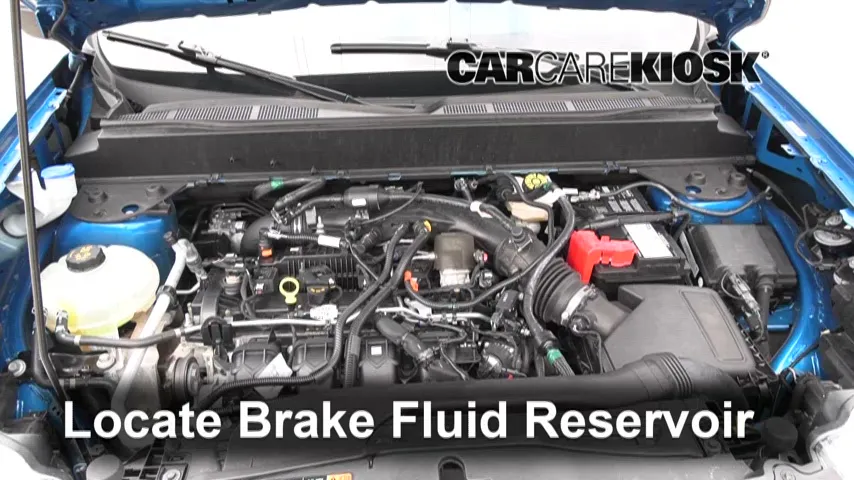
Credit: www.carcarekiosk.com
Check Brake Fluid Level
Checking the brake fluid level is a key part of car maintenance. It ensures the brake system works safely and smoothly. Low brake fluid can cause poor braking or even brake failure. Regular checks help spot problems early. This section explains how to check the brake fluid level carefully and correctly.
Locate The Reservoir
The brake fluid reservoir is usually under the car hood. It is a small, clear container near the back of the engine bay. It often has a round or square shape with a screw-on cap. Look for labels or symbols of a circle with parentheses on each side. Clean any dirt or dust on the cap before opening.
Inspect Fluid Condition
Check the fluid inside the reservoir through the container walls. The brake fluid should be clear or light amber. Dark or dirty fluid means it needs changing. Avoid touching the fluid with your fingers. Contaminated fluid can harm the brake system. If the fluid looks low or dirty, plan to refill or replace it soon.
Identify Minimum And Maximum Marks
The reservoir has minimum and maximum marks on its side. These marks show the safe fluid range. The fluid level should be between these two lines. If the fluid is below the minimum mark, add brake fluid. Never fill above the maximum mark. Overfilling can cause leaks or damage to the system.

Credit: www.youtube.com
Choose The Right Brake Fluid
Choosing the right brake fluid is crucial for safe car operation. Brake fluid helps transfer force from the brake pedal to the brake pads. Using the wrong fluid can cause brake failure or damage. Knowing the types of brake fluid and your car’s needs ensures proper maintenance.
Types Of Brake Fluid
Brake fluids come in several types, mainly DOT 3, DOT 4, DOT 5, and DOT 5.1. Each type has different boiling points and chemical properties. DOT 3 and DOT 4 are glycol-based and common in most vehicles. DOT 5 is silicone-based and does not mix with glycol fluids. DOT 5.1 offers high performance and is compatible with DOT 3 and DOT 4.
Consult Vehicle Manual
The vehicle manual states the recommended brake fluid type. It ensures compatibility with your car’s braking system. Check the manual before buying or adding brake fluid. Using the suggested fluid helps avoid damage and maintains brake efficiency. If unsure, follow the manual’s guidance strictly.
Avoid Mixing Fluids
Mixing different brake fluids can cause chemical reactions. This can lead to brake system failure or corrosion. Always use the same type as specified in the manual. If switching fluid types, flush the entire brake system first. Proper fluid choice keeps brakes reliable and safe.
Add Brake Fluid Safely
Adding brake fluid safely is crucial for your car’s braking system. It keeps the system working well and prevents damage. Handle brake fluid with care to avoid spills or contamination. Always work in a clean area to protect the fluid and parts.
Clean Around The Cap
Wipe the area around the brake fluid cap before opening it. Dirt or dust can fall inside if you skip this step. Use a clean cloth or paper towel for the job. This keeps the fluid pure and prevents brake system problems.
Pour Fluid Carefully
Open the brake fluid container slowly to avoid spills. Pour the fluid directly into the reservoir without rushing. Use a steady hand and small amounts at a time. Avoid overfilling to prevent leaks or damage to the car parts.
Secure The Reservoir Cap
After adding the brake fluid, close the reservoir cap tightly. This stops dirt and moisture from entering the system. Check the cap for any cracks or damage before sealing. A secure cap protects the brake fluid and helps the brakes work well.

Credit: www.rickhendrickchevy.com
Frequently Asked Questions
How Do You Check Brake Fluid Levels?
Open the hood and locate the brake fluid reservoir. Check the fluid level against the “MIN” and “MAX” marks. If low, it’s time to add brake fluid to ensure safe braking performance.
What Type Of Brake Fluid Should I Use?
Use the brake fluid type specified in your vehicle’s owner manual. Common types include DOT 3, DOT 4, and DOT 5. Avoid mixing different types to maintain brake system integrity.
Can I Add Brake Fluid Myself Safely?
Yes, adding brake fluid is simple. Clean the reservoir cap, use a clean funnel, and pour fluid slowly. Avoid spills on painted surfaces and never overfill the reservoir.
How Often Should Brake Fluid Be Replaced?
Brake fluid should be replaced every 2 years or 30,000 miles. Moisture buildup reduces effectiveness, so regular changes keep your brakes reliable and safe.
Conclusion
Adding brake fluid to your car is simple and important. Check the fluid level often to keep brakes working well. Always use the right type of brake fluid for your car. Be careful not to spill or mix fluids. Regular maintenance helps keep you safe on the road.
Taking these small steps protects your car and your passengers. Now you know how to add brake fluid with confidence. Drive safely and keep your brakes in good shape.