
Have you ever wondered when it’s actually the right time to switch on your car’s fog lights? Using them at the wrong moment can be more than just annoying—it might even be unsafe.
But knowing exactly when and how to use fog lights can improve your visibility and keep you safer on the road. You’ll discover clear, simple advice on when to turn on your fog lights and why they matter. Keep reading, and you’ll never second-guess your headlights again.

Credit: www.carsales.com.au
Fog Light Basics
Understanding the basics of fog lights can change how you drive in poor visibility. These lights are not just an extra feature; they serve a very specific purpose that can improve your safety on the road. Before you decide when to use them, it’s important to know what they are and how they work.
What Are Fog Lights
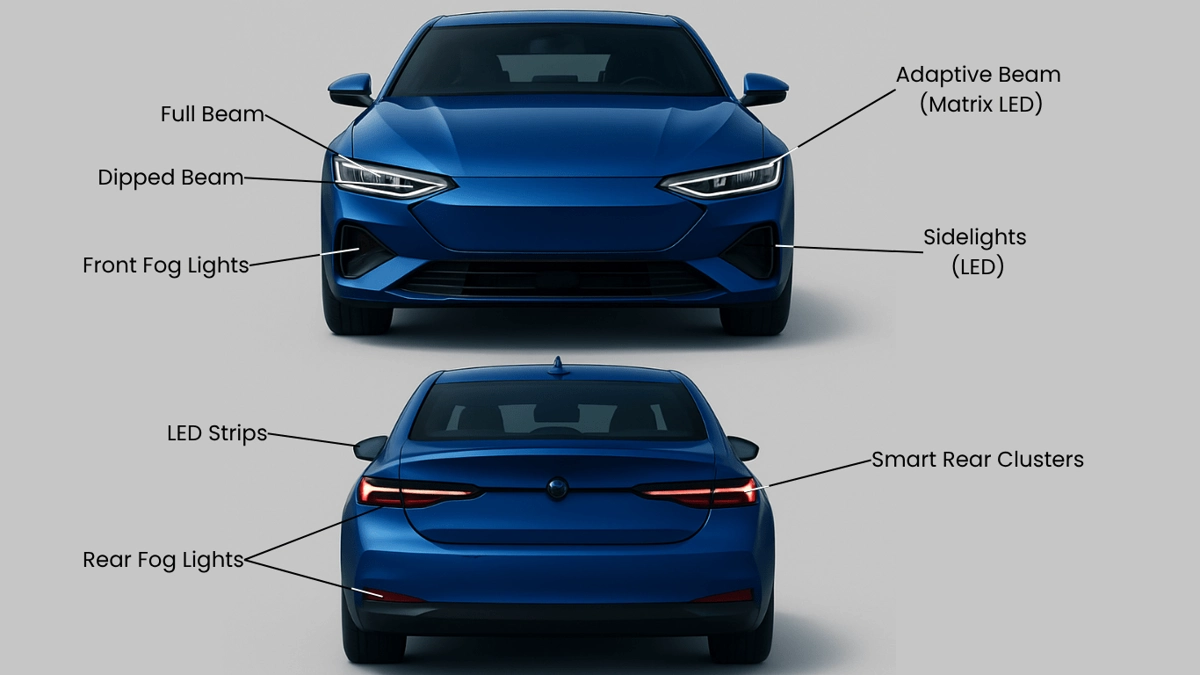
Fog lights are special lights on your car designed to help you see better in foggy or misty conditions. Unlike your regular headlights, they sit lower on the front of your vehicle. This position helps reduce the glare that reflects off fog, rain, or snow.
They usually have a wide, flat beam that spreads out close to the ground. This setup illuminates the road without blinding other drivers or bouncing light back at you. Have you ever noticed how regular headlights can make fog seem even thicker? That’s exactly what fog lights aim to prevent.
How Fog Lights Work
Fog lights work by casting a wide, low beam of light that cuts through fog and rain. They use yellow or white bulbs because these colors reduce glare and improve contrast. This helps you see the edges of the road and lane markings more clearly.
The low mounting point of fog lights is crucial. It allows the light to pass under the fog layer rather than reflecting directly back into your eyes. This design helps maintain better visibility without creating harsh reflections or blinding oncoming traffic.
Think about the last time you drove in fog without using fog lights. Did the glare from your headlights make it harder to see? Using fog lights changes that experience by focusing light where it’s needed most—right in front of your car.
Credit: auxito.com
When To Use Fog Lights
Fog lights help drivers see better in tough conditions. They shine light low and wide to reduce glare. Knowing when to use fog lights keeps everyone safer on the road.
Low Visibility Conditions
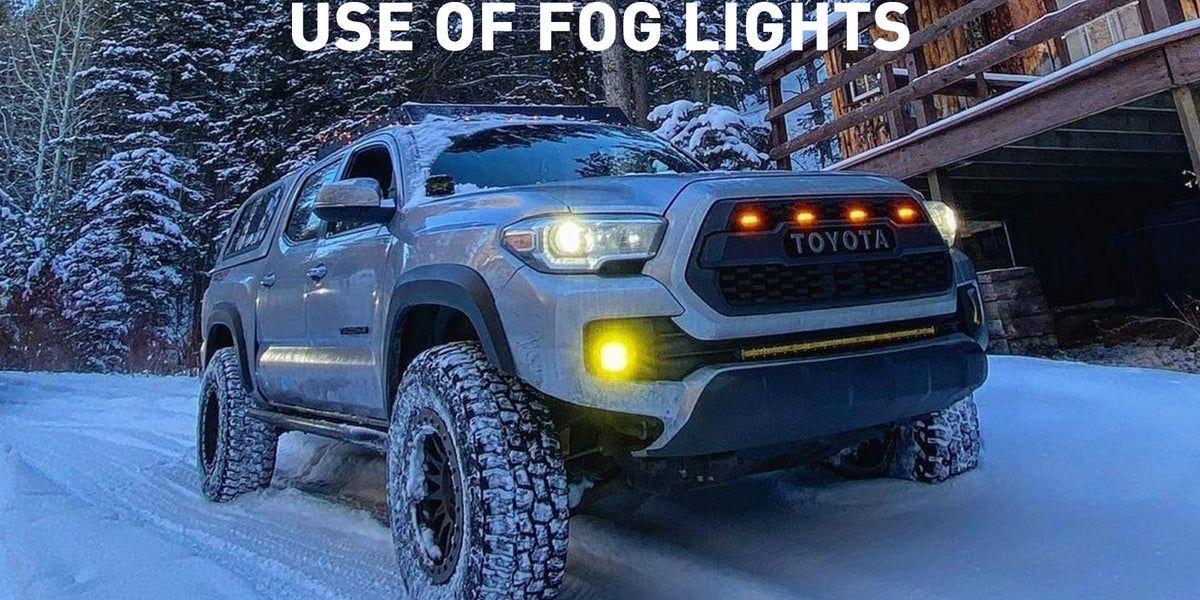
Fog lights turn on when visibility drops below 100 meters. They work well in thick fog, heavy rain, or snow. Regular headlights can reflect off fog and blind you. Fog lights cut through the fog to light the road.
Use fog lights only in these low visibility situations. They are not for normal night driving. Bright lights can confuse other drivers in clear weather.
Weather Scenarios For Fog Lights
- Fog:Fog lights reduce glare and help see road edges.
- Heavy rain:They improve visibility when rain blurs headlights.
- Snowfall:Fog lights help spot the road in falling snow.
- Dust or smoke:Use fog lights to cut through airborne particles.
Switch off fog lights when weather clears. Overusing them can distract others and drain your car battery.
Safe Driving With Fog Lights
Fog lights improve visibility in poor weather conditions. They shine low to the ground to reduce glare. Using fog lights correctly boosts safety for all drivers. Misuse can cause confusion and accidents. Understanding proper use keeps the road safer.
Proper Usage Tips
- Turn on fog lights only in fog, heavy rain, or snow.
- Use them alongside low beam headlights, not high beams.
- Switch off fog lights when visibility improves.
- Check local laws about fog light use in your area.
- Keep fog lights clean for maximum brightness.
Common Mistakes To Avoid
- Using fog lights in clear weather causes glare for others.
- Relying on fog lights alone without headlights is unsafe.
- Leaving fog lights on too long drains the car battery.
- Ignoring fog lights’ purpose and using them like regular lights.
- Not adjusting speed despite poor visibility and fog light use.
Credit: www.leasingoptions.co.uk
Frequently Asked Questions
When Should You Turn On Fog Lights?
Use fog lights when visibility drops below 100 meters due to fog, heavy rain, or snow. They help illuminate the road close to your vehicle and reduce glare. Avoid using them in clear weather to prevent blinding other drivers.
Are Fog Lights Legal To Use Anytime?
Fog light usage laws vary by location. Generally, they should only be used in low-visibility conditions such as fog, heavy rain, or snow. Using them in clear conditions can be illegal and distracting to other drivers.
How Do Fog Lights Improve Driving Safety?
Fog lights emit a wide, low beam that reduces glare and illuminates the road’s surface. This helps drivers see lane markings and obstacles in foggy or rainy conditions, enhancing safety by improving visibility without reflecting light back into the driver’s eyes.
Can Fog Lights Replace Headlights At Night?
No, fog lights cannot replace headlights at night. They are designed to complement headlights in poor visibility. Headlights provide long-range illumination necessary for night driving, while fog lights enhance near-ground visibility in fog or adverse weather.
Conclusion
Fog lights help you see better in fog, rain, or snow. They shine low and wide to light up the road. Use them only when visibility is low, not in clear weather. Turning them on at the wrong time can blind other drivers.
Remember to switch them off when conditions improve. Safe driving means using fog lights wisely and carefully. Bright and clear vision makes every trip safer. Keep this simple rule in mind for better road safety.