
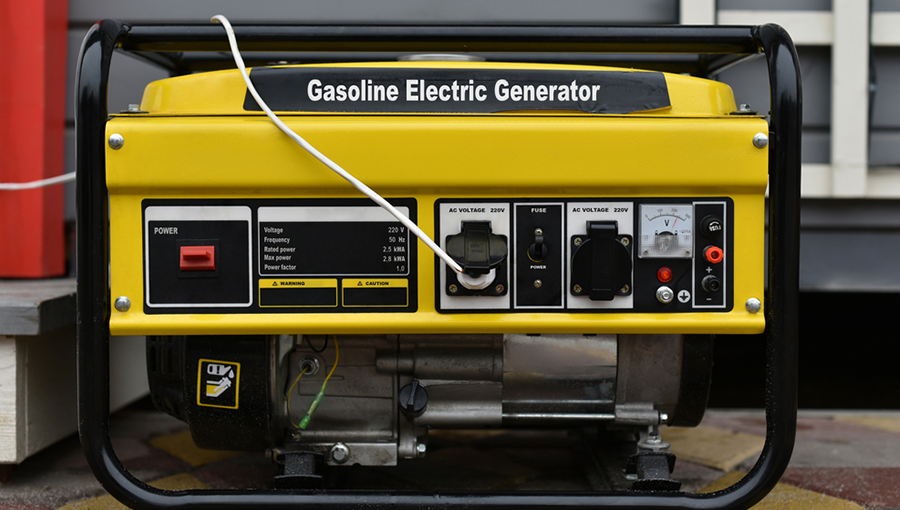
When you rely on a portable generator, safety should be your top priority. But do you know how to ground your generator properly?
Grounding is a simple step that can protect you, your equipment, and your home from electrical hazards. If you’re unsure where to start or worried about making a mistake, this guide will walk you through everything you need to know.
By the end, you’ll feel confident in grounding your portable generator the right way—keeping your power supply safe and reliable. Keep reading to learn the easy steps that can make all the difference.

Credit: www.amazon.ca
Why Grounding Matters
Grounding a portable generator is essential for safety and equipment longevity. It creates a safe path for electrical currents to flow into the earth. This reduces risks and protects both people and devices. Understanding why grounding matters helps you use your generator wisely and safely.
Preventing Electrical Shocks
Grounding stops dangerous electrical shocks. It directs stray electricity away from users. Without grounding, you may get a shock from touching the generator. Grounding lowers this risk by providing a safe path to the ground. It protects anyone near the generator from injury.
Avoiding Equipment Damage
Electrical surges can harm your generator and connected devices. Grounding helps absorb and redirect these surges. It prevents sparks and fires inside the generator. This keeps your equipment running smoothly and lasting longer. Proper grounding saves you money on repairs and replacements.
Step-by-step Grounding Process
Properly grounding a portable generator is essential for safety and performance. The grounding process prevents electrical shocks and protects equipment. Follow these simple steps to ground your generator correctly.
Choosing The Right Grounding Rod
Select a copper or galvanized steel rod at least 4 feet long. This rod must be driven deep into the earth for good contact. Place it in moist soil if possible, as dry ground reduces effectiveness. The rod should be near the generator but not touching it directly.
Connecting The Ground Wire
Use a heavy-duty copper wire to connect the generator’s grounding terminal to the rod. Secure the wire tightly at both ends using clamps or grounding screws. Ensure the connection is firm and free of corrosion. Avoid loose or frayed wires as they reduce safety.
Testing The Ground Connection
Test the ground connection with a multimeter. Set the meter to measure resistance and check between the rod and generator frame. A low resistance value means a good ground. High resistance indicates poor contact and needs adjustment. Testing ensures your generator is safe to use.
Safety Tips For Portable Generators
Ensuring safety while using a portable generator is not just about following rules—it’s about protecting your home, family, and yourself from potential hazards. Small mistakes can lead to dangerous situations like carbon monoxide poisoning, electrical shocks, or even fires. Taking the right precautions makes your generator use safer and your peace of mind stronger.
Proper Placement And Ventilation
Never run your generator indoors or in an enclosed space. Carbon monoxide gas can build up quickly, and it’s invisible and odorless, making it deadly without warning.
Place your generator at least 20 feet away from windows, doors, and vents. This distance helps keep harmful fumes from entering your living spaces.
Think about where rain or moisture can collect. Keeping your generator dry prevents electrical shorts and damage. Do you have a covered, well-ventilated spot ready for emergencies?
Regular Maintenance Checks
Just like your car, a generator needs regular checkups. Inspect fuel lines, oil levels, and air filters before each use to ensure smooth operation.
Dirty filters or old fuel can cause the generator to stall or produce more emissions. Keep a maintenance schedule and stick to it, even if the generator isn’t used often.
Have you noticed any strange noises or smells while running your generator? These are signs it needs immediate attention to prevent bigger problems.
Using Ground Fault Circuit Interrupters
A Ground Fault Circuit Interrupter (GFCI) is a lifesaver when working with portable generators. It cuts off power instantly if it detects a ground fault, protecting you from electric shocks.
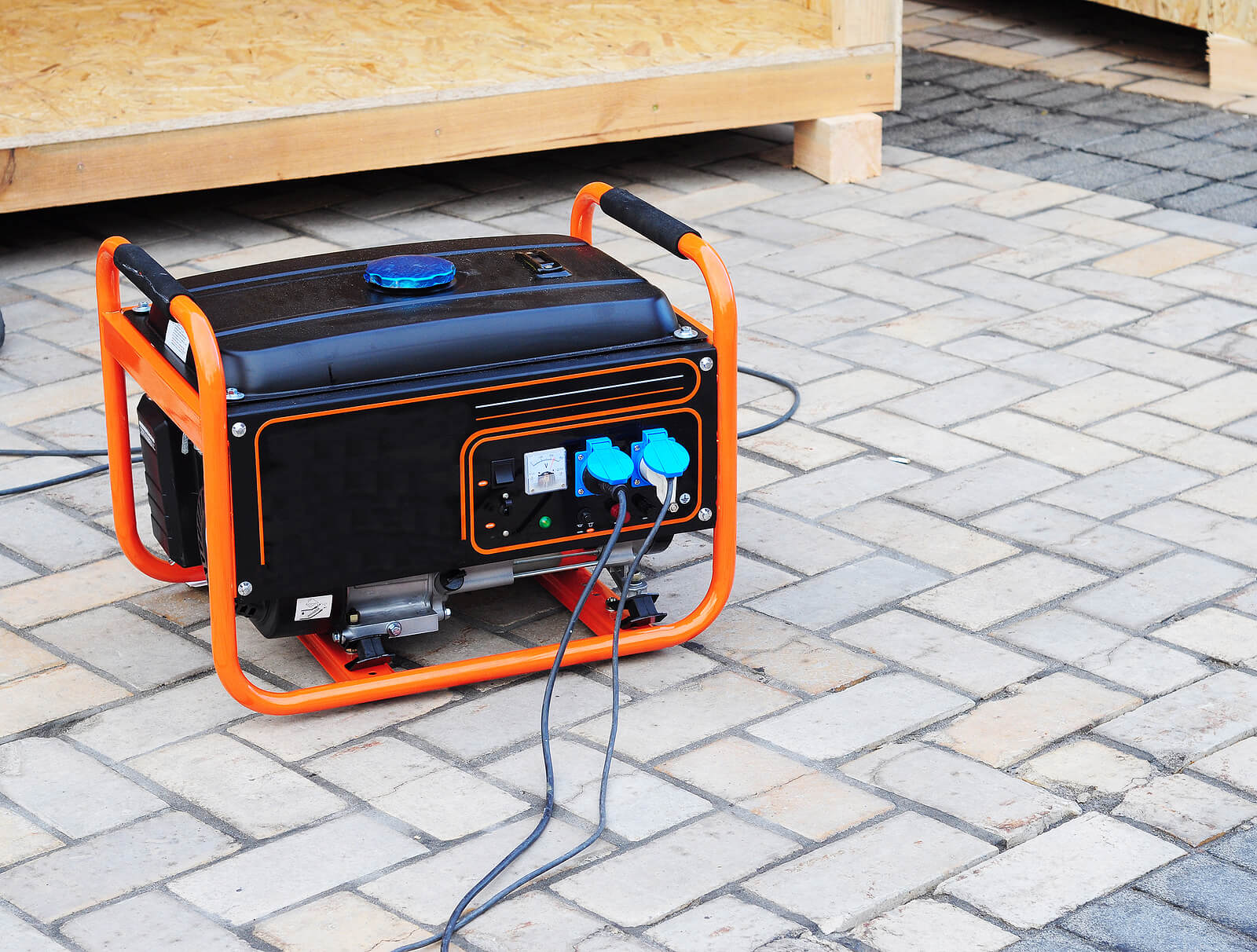
Many portable generators don’t come with built-in GFCIs, so consider adding an external GFCI outlet or circuit breaker. This extra layer of protection is especially important if you’re using power tools or appliances outdoors.
Have you tested your GFCI devices recently? Regular testing ensures they function properly when you need them most.
Credit: expresselectricalservices.com
Credit: www.electriciantalk.com
Frequently Asked Questions
How Do You Safely Ground A Portable Generator?
To safely ground a portable generator, connect a grounding rod to the generator’s grounding terminal using a copper wire. Drive the rod into moist soil at least 8 feet deep. This prevents electrical shock and ensures safe operation during use.
Why Is Grounding A Portable Generator Important?
Grounding a portable generator prevents electrical shocks and reduces fire risk. It stabilizes voltage and protects connected devices from surges. Proper grounding ensures compliance with electrical codes and enhances overall safety during generator operation.
Can A Portable Generator Run Without Grounding?
Yes, some portable generators have self-contained grounding systems and can run without external grounding. However, grounding is recommended to minimize shock hazards and meet safety regulations. Always check your generator’s manual before operating without grounding.
What Tools Do I Need To Ground A Portable Generator?
You need a copper grounding wire, a grounding rod (8 feet long), a hammer or mallet, and wire connectors. These tools help create a secure grounding connection, ensuring your generator operates safely and efficiently.
Conclusion
Grounding a portable generator keeps you safe from electric shocks. It also helps prevent damage to your equipment. Always use a grounding rod and proper wire for best results. Check your local rules for grounding requirements. Regularly inspect the grounding setup to ensure it works well.
Safety should be your top priority when using any generator. With the right steps, you can run your generator safely and efficiently. Stay cautious and enjoy the power your generator provides.