
Have you ever wondered what gives some cars that extra boost of power without making the engine bigger? The secret often lies in a small but mighty device called a turbocharger.
Understanding how a turbocharger works in your car can change the way you think about performance and efficiency. You’ll discover how this clever piece of technology squeezes more power from your engine, improves fuel economy, and makes driving more exciting.
Ready to unlock the mystery behind turbochargers and see how they can transform your ride? Keep reading—you’re about to get the inside scoop.
Turbocharger Components
Understanding the key components of a turbocharger gives you a clearer picture of how this device boosts your car’s engine power. Each part plays a vital role in enhancing airflow and managing pressure. Let’s break down these components to see how they work together to improve your driving experience.
Turbine And Compressor
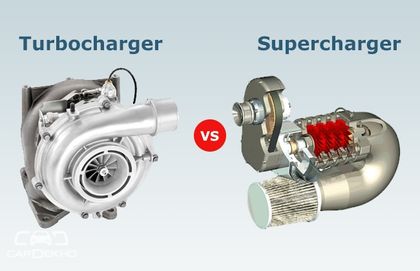
The turbine and compressor are the heart of the turbocharger. The turbine spins by using exhaust gases from the engine. This spinning motion powers the compressor, which draws in and compresses fresh air into the engine.
This compressed air means more oxygen is available for combustion, which increases power output. Have you ever noticed a sudden surge in acceleration? That’s the compressor doing its job efficiently.
Intercooler Role
The compressed air coming from the turbocharger gets very hot. Hot air is less dense, which reduces the amount of oxygen your engine gets. This is where the intercooler steps in.
The intercooler cools down this hot air before it enters the engine. Cooler air is denser and improves combustion, leading to better performance and efficiency. Think of it as a way to keep your engine breathing fresh air at all times.
Wastegate Function
The wastegate acts like a safety valve to control turbo pressure. Without it, the turbo could produce too much boost, risking engine damage. It opens to divert excess exhaust gases away from the turbine.
This prevents the turbo from spinning too fast and keeps your engine running safely. Have you ever wondered why some turbocharged cars don’t feel like they’re always pushing at max power? The wastegate is the reason, managing pressure for smooth performance.

Credit: www.youtube.com
Boosting Engine Power
Turbochargers are a game-changer for your car’s engine power. They push more air into the engine than it normally would get. More air means more fuel can burn, which means more power for your ride. Let’s break down how this happens.
Air Compression Process
The turbocharger starts by compressing the air before it enters the engine. It uses a turbine spun by exhaust gases to drive a compressor wheel. This compressor packs more air into the engine’s cylinders than they would naturally suck in.
Think of it like blowing up a balloon—more air inside means more pressure. This extra air is denser, carrying more oxygen molecules that help your engine burn fuel better.
Fuel And Air Mixture
When the compressed air enters the engine, it mixes with fuel to create the perfect blend for combustion. Your car’s engine management system adjusts the fuel amount to match the extra air. This careful balance is crucial to avoid running too rich or too lean.
Have you ever noticed a turbocharged car feels more responsive? That’s because this efficient mix delivers a powerful punch every time you hit the gas.
Increased Combustion Efficiency
With more oxygen from the compressed air, the fuel burns more completely and faster. This leads to stronger explosions inside the cylinders, pushing the pistons down with more force. The result? Your engine produces significantly more power without needing a bigger engine.
Imagine getting a power boost simply by using the exhaust gases you’d otherwise waste. That’s the beauty of turbocharging—more power, better efficiency, and often improved fuel economy.
Turbocharger Benefits And Challenges
Adding a turbocharger to your car brings a mix of clear benefits and some challenges. While it can boost your engine’s power and efficiency, understanding its quirks helps you get the most out of it. Let’s break down what you gain and what to watch out for when your car is turbocharged.
Fuel Efficiency Gains
A turbocharger pushes more air into the engine, allowing it to burn fuel more completely and efficiently. This means your car can produce more power from less fuel, especially during highway driving or steady cruising.
Think about it this way: a smaller engine with a turbo can match the performance of a larger engine but use less gas. This often translates to noticeable savings at the pump without sacrificing speed or acceleration.
However, if you drive aggressively, the turbo’s fuel-saving benefits can disappear quickly. Are you ready to adjust your driving style to maximize efficiency?
Turbo Lag Explained
Turbo lag is the brief delay before the turbocharger kicks in and boosts engine power. It happens because the turbo needs time to spool up using exhaust gases.
During this lag, your car might feel less responsive, especially when you suddenly press the accelerator. Some drivers find this frustrating, but understanding it helps you anticipate the delay and drive more smoothly.
Modern turbo designs and twin-scroll turbos have reduced lag significantly. Still, have you noticed how different driving habits can minimize or worsen this delay?
Maintenance Tips
Keeping a turbocharged engine healthy requires some extra care. Regular oil changes are crucial because the turbo spins at very high speeds and relies on clean oil for cooling and lubrication.
Letting your engine idle for a minute or two after hard driving helps cool the turbo gradually, preventing damage from sudden temperature changes. Skipping this step can shorten the turbo’s lifespan.
Watch for unusual noises or drops in performance as early signs of turbo trouble. How often do you check your car’s health beyond just filling the tank?

Credit: www.melett.com
Credit: www.cardekho.com
Frequently Asked Questions
What Is The Main Function Of A Turbocharger In A Car?
A turbocharger boosts engine power by forcing more air into the combustion chamber. This increases fuel combustion efficiency, resulting in higher horsepower and torque without increasing engine size.
How Does A Turbocharger Improve Fuel Efficiency?
By enhancing air intake, a turbocharger allows better fuel combustion. This leads to more power from less fuel, improving overall fuel efficiency and reducing emissions in turbocharged engines.
What Components Make Up A Turbocharger System?
A turbocharger includes a turbine, compressor, shaft, and housing. The turbine captures exhaust gases, spinning the compressor to draw in and compress fresh air into the engine.
Why Do Turbocharged Engines Sometimes Experience Lag?
Turbo lag occurs due to the time needed for exhaust gases to spin the turbine. This delay causes a brief pause in power delivery before the boost kicks in.
Conclusion
A turbocharger helps a car engine breathe better. It pushes more air into the engine. This extra air allows the engine to burn fuel faster. The result is more power and better fuel use. Turbochargers use exhaust gases to spin a turbine.
This process makes the engine more efficient. Many cars use turbochargers to improve performance. Understanding how it works helps you appreciate car technology. It also shows why turbocharged cars feel stronger on the road. Simple but effective. That is the power of a turbocharger.