
Have you ever wondered how long your car can actually go without an oil change? You might think skipping this simple maintenance step won’t cause any harm—but the truth is, your engine’s health depends on it more than you realize.
You’ll discover the real risks of delaying an oil change and learn exactly when you should take action to keep your car running smoothly. Keep reading to protect your vehicle and avoid costly repairs down the road.

Credit: gaganselfdrivecars.com
Signs Of Old Engine Oil
Recognizing the signs of old engine oil is crucial for maintaining your car’s health and avoiding costly repairs. Engine oil doesn’t just lubricate; it also cleans, cools, and protects the engine. Over time, its effectiveness diminishes, and your car starts showing clear signals that it’s time for an oil change.
Visual And Smell Indicators
One of the easiest ways to check if your engine oil is old is to look at its color and texture. Fresh oil is usually amber and translucent, but as it ages, it turns dark brown or black and becomes thicker.
When you dip the oil dipstick, if the oil looks gritty or has particles, it’s a red flag. Also, pay attention to any unusual smells—burnt or acrid odors coming from the engine area often mean the oil is breaking down.
Have you ever noticed your oil smelling different after a long drive? That change can mean the oil’s protective qualities are fading, increasing wear inside your engine.
Performance Changes
Old engine oil affects how smoothly your car runs. If your engine feels noisier, it could be struggling without proper lubrication. You might hear knocking or ticking sounds that weren’t there before.
Another sign is reduced fuel efficiency. When oil thickens and loses its lubricating power, your engine works harder, burning more fuel. You may also experience sluggish acceleration or rough idling.
Ask yourself: has your car’s performance dipped recently without any other obvious cause? Checking your engine oil might reveal the answer and save you from bigger issues down the road.

Credit: www.reddit.com
Risks Of Delaying Oil Changes
Delaying oil changes can cause serious problems for your car. Oil keeps the engine parts moving smoothly and stops them from wearing out quickly. Old oil loses its power to protect the engine, which can lead to costly repairs. Understanding the risks helps keep your car running longer and saves money.
Engine Wear And Damage
Engine oil acts like a shield for the engine parts. It reduces friction and stops metal parts from grinding together. Over time, oil gets dirty and thick, losing its ability to protect. Without fresh oil, engine parts wear out faster and may break. This leads to overheating, poor engine performance, or even engine failure. Regular oil changes keep the engine safe and extend its life.
Impact On Fuel Efficiency
Clean oil helps the engine run smoothly and use less fuel. Old, dirty oil makes the engine work harder. This extra work burns more fuel and lowers gas mileage. Delaying oil changes can cause your car to use more fuel than normal. Changing oil on time helps save money at the pump and reduces pollution.
Recommended Oil Change Intervals
Knowing the recommended oil change intervals helps keep your car running smoothly. Oil lubricates engine parts and prevents damage. Changing oil on time protects your vehicle and improves fuel efficiency. Different cars have different oil change needs. Understanding these intervals saves money and avoids engine problems.
Manufacturer Guidelines
Car makers provide specific oil change schedules. Check your owner’s manual for exact intervals. Most recommend oil changes every 5,000 to 7,500 miles. Some newer models can go up to 10,000 miles with synthetic oil. Following these guidelines maintains warranty and engine health.
Driving Conditions Impact
Driving style and conditions affect oil life. Frequent short trips, stop-and-go traffic, or extreme temperatures can wear oil faster. Towing heavy loads or driving on dusty roads also demands more frequent changes. Adjust oil change timing based on how and where you drive.
Tips To Extend Oil Life
Extending the life of your car’s oil helps protect the engine and saves money. Good oil lasts longer and keeps the engine clean. Simple steps can improve oil performance and delay the need for a change. Follow these tips to keep your oil working well.
Choosing The Right Oil
Selecting the correct oil type is key to lasting oil life. Check your car’s manual for recommended oil grades. Synthetic oils last longer than conventional oils. They resist breakdown under heat and stress. Use oil with the right viscosity for your climate. Thicker oils protect better in hot weather. Thinner oils flow easily in cold climates. High-quality oils contain additives that clean and protect engine parts.
Regular Maintenance Practices
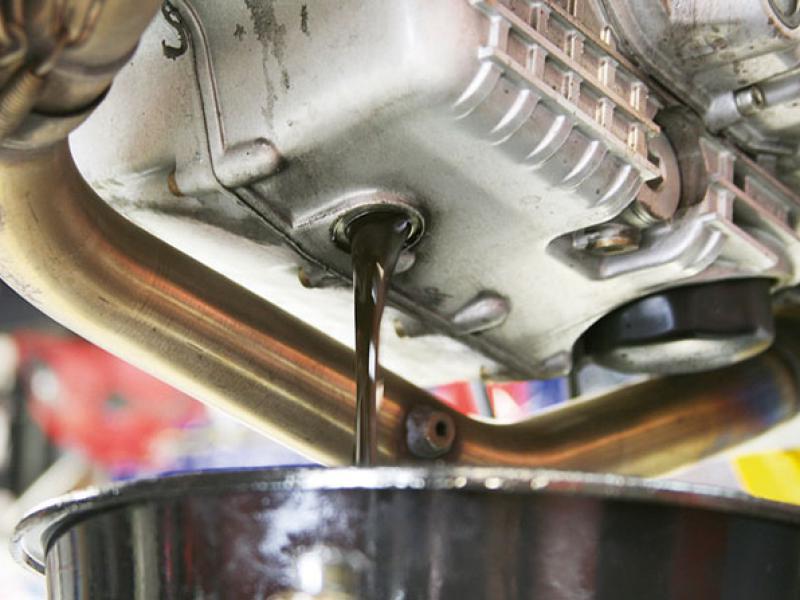
Regular checks keep oil healthy and extend its life. Monitor oil levels often and top up if low. Change the oil filter at every oil change. A clean filter removes dirt and debris from oil. Avoid frequent short trips that don’t warm the engine fully. Warm engines burn cleaner and keep oil fresh. Keep the engine cool by checking the cooling system. Overheating damages oil and engine parts. Fix leaks and issues quickly to prevent oil contamination.
Credit: quickstopoilchanges.com
Frequently Asked Questions
How Long Can A Car Run Without An Oil Change?
A car can typically run 5,000 to 7,500 miles without an oil change. This depends on the vehicle and oil type. Delaying oil changes can cause engine wear and reduce performance.
What Happens If You Delay An Oil Change Too Long?
Delaying an oil change leads to dirty oil, which harms engine parts. It reduces lubrication, causing increased friction and overheating. This can result in costly engine damage or failure.
How Often Should Synthetic Oil Be Changed?
Synthetic oil usually lasts 7,500 to 10,000 miles before needing a change. It offers better protection than conventional oil and extends the oil change interval. Always follow the vehicle manufacturer’s recommendation.
Can Driving Conditions Affect Oil Change Frequency?
Yes, severe driving conditions like stop-and-go traffic, extreme temperatures, or towing increase oil degradation. In such cases, oil changes may be needed every 3,000 to 5,000 miles to maintain engine health.
Conclusion
Regular oil changes keep your car running smoothly. Skipping oil changes can cause engine damage fast. Most cars need oil changes every 3,000 to 7,500 miles. Check your owner’s manual for the best advice. Clean oil protects engine parts and improves fuel efficiency.
Watch for warning signs like strange noises or leaks. Taking care of your car saves money on repairs. Don’t wait too long between oil changes. Your car will thank you with better performance and longer life. Simple steps keep your ride safe and reliable.