
Your black car looks stunning when it shines perfectly, but keeping that deep, glossy finish can be tricky. You want your car to turn heads every time you drive, right?
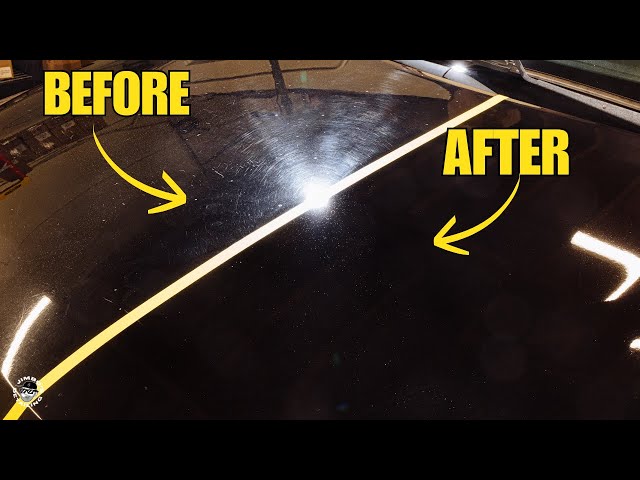
Polishing your black car the right way can bring out that rich color and smooth surface, making it look brand new. In this guide, you’ll learn simple, effective steps to polish your black car like a pro. By the end, you’ll have the confidence to make your car’s paint gleam and stand out wherever you go.
Ready to make your black car shine like never before? Let’s dive in.

Credit: www.amazon.com
Preparing The Car Surface
Preparing the surface of your black car is crucial before you even touch the polish. A clean and contaminant-free surface ensures the polish adheres properly and brings out that deep, rich shine. Neglecting this step can lead to swirl marks or uneven results, which nobody wants on their sleek black paint.
Cleaning And Washing
Start by rinsing your car with water to remove loose dirt and dust. Use a high-quality car shampoo designed for dark paint to avoid stripping wax or sealant layers. Wash in straight lines rather than circles to minimize swirl marks and use a microfiber wash mitt to protect the surface.
Don’t rush this step. Take your time washing one section at a time and frequently rinse the mitt to avoid grinding dirt into the paint. Your hands will quickly tell you if the surface feels gritty, signaling you need more thorough cleaning.
Removing Contaminants
Even after washing, your black car’s paint may have bonded contaminants like tar, tree sap, or industrial fallout. These invisible enemies create a rough texture that dulls the polish’s effect. Use a clay bar or a clay mitt with a lubricant spray to gently lift these particles off the surface.
This process requires patience. Work in small sections, kneading the clay frequently to expose a clean surface. When your hand glides smoothly across the paint, it means contaminants are gone—your car is now ready for polishing.
Drying Techniques
Drying your car properly prevents water spots that can mar the finish. Use a clean, soft microfiber towel and blot rather than drag to absorb water. Some people prefer using a leaf blower or a dedicated car dryer to blow water out of tight spots without touching the paint.
Have you noticed how water spots seem more noticeable on black cars? That’s why drying with care is non-negotiable. Every bit of moisture left behind can leave marks that will fight against the polish’s shine.

Credit: www.turtlewax.com
Choosing The Right Polish
Choosing the right polish for your black car can make all the difference in achieving a mirror-like finish. Not all polishes are created equal, and picking one that suits your car’s paint condition will save you time and effort. Understanding the types of polishes available and matching them to your specific needs ensures your car looks its absolute best without causing damage.
Types Of Polishes
Polishes come in different forms, each designed to tackle specific issues on your car’s surface. Here are the main types you’ll encounter:
- Cutting Polishes:These are abrasive and remove deeper scratches and oxidation. Use them if your paint has noticeable imperfections.
- Polishing Compounds:Less abrasive than cutting polishes, they refine the surface and enhance shine.
- Finishing Polishes:These are the mildest, designed to boost gloss and smooth minor imperfections.
- Glazes:While not true polishes, they fill in tiny scratches temporarily and improve depth.
Think about how aggressive the polish needs to be. Overusing a cutting polish on a well-maintained car can dull the finish.
Selecting Based On Paint Condition
Assess your black car’s paint carefully before choosing a polish. Is the paint dull with swirl marks, or does it have deep scratches? A simple test is to run your fingers over the surface—if you feel roughness or grooves, a cutting polish might be necessary.
If your paint looks mostly good but lacks depth, a finishing polish or glaze could be enough. Remember, less is often more with black paint because aggressive products can alter the color’s richness.
Ask yourself: are you polishing to fix damage or just to maintain shine? Choosing the right polish based on this will save your paint and bring out that deep black gloss you want.
Polishing Techniques
Polishing a black car demands precision and the right approach. The techniques you choose can make a huge difference in the final shine and protection of your paint. Knowing how to polish effectively helps you avoid swirl marks and brings out that deep, glossy finish that black cars are famous for.
Hand Polishing Tips
Hand polishing gives you complete control, especially on delicate areas like edges and curves. Use a soft foam or microfiber applicator pad to spread the polish evenly. Apply gentle pressure and work in small circular motions to break down imperfections without damaging the paint.
Keep your polish fresh by frequently folding the cloth or pad to expose a clean surface. This prevents dirt buildup, which can cause scratches. Have patience—hand polishing is slower but ideal for spot treatments or light correction.
Using A Machine Polisher
A machine polisher saves time and offers consistent results, but it requires practice to avoid mistakes. Start with a low speed setting to test the polish’s effect and increase speed gradually as you gain confidence. Always keep the pad flat against the surface to avoid creating uneven spots.
Use a quality foam or microfiber polishing pad matched to the polish type. Remember to keep the machine moving steadily—lingering too long in one spot can burn the paint. If you feel heat building up, pause and let the area cool down before continuing.
Working In Sections
Divide your car’s surface into manageable sections, such as one door or half the hood at a time. This helps maintain polish control and ensures no area is missed. Focus on completing each section fully before moving on to the next.
Wiping off excess polish with a clean microfiber cloth after each section prevents residue buildup. It also allows you to inspect your work closely and decide if additional polishing is needed. How often do you take time to evaluate your polish as you go?
Finishing Touches
After polishing your black car, the final steps are crucial to lock in that deep, glossy finish. These finishing touches protect your hard work and keep your car looking stunning for weeks. Paying attention to detail now saves you from extra work later and keeps your paint flawless.
Applying Wax Or Sealant
Adding a layer of wax or sealant shields your polished surface from dirt, UV rays, and water spots. Wax offers a warm, rich shine but usually lasts a few weeks, while sealants provide longer-lasting protection with a slightly different sheen.
Use a clean, soft applicator pad to spread a thin, even layer. Let it haze over, then buff off gently with a microfiber cloth. Avoid heavy coats; less is more here to prevent streaks or buildup.
Maintaining The Shine
Keep your black car dazzling by washing it regularly with a pH-balanced car shampoo. Skip harsh detergents that strip wax or sealant layers.
After washing, dry your car using a microfiber towel to avoid water spots. You can also use a quick detailer spray between washes to revive that shine without rubbing.
Have you noticed how little things like parking in the shade or covering your car can make a big difference in preserving its shine?
Avoiding Common Mistakes
Don’t rush the drying process or leave your car in direct sunlight while waxing—it causes streaking and uneven coverage. Applying too much wax or sealant can create a dull, hazy finish instead of a glossy one.
Avoid circular buffing motions that can create swirl marks on black paint. Instead, use straight-line passes with light pressure.
Remember, patience here means better results. Skipping these steps might feel faster, but your black car’s finish will show the cost over time.
Credit: www.youtube.com
Frequently Asked Questions
How Often Should I Polish A Black Car?
Polish your black car every 3 to 6 months. This keeps the paint glossy and removes minor scratches. Over-polishing can damage the clear coat, so avoid polishing too frequently.
What Type Of Polish Is Best For Black Cars?
Use a high-quality, fine polish designed for dark paint. Look for products labeled “black car polish” or “gloss enhancer. ” These polishes help remove swirl marks and enhance depth and shine on black surfaces.
Can I Polish A Black Car In Direct Sunlight?
Avoid polishing your black car in direct sunlight. Heat can cause polish to dry too quickly, leaving streaks or haze. Work in a shaded area or during cooler parts of the day for best results.
Should I Wash My Car Before Polishing?
Yes, always wash your black car before polishing. Removing dirt and grime prevents scratches during polishing. Use a pH-balanced car shampoo and dry the car completely before starting to polish.
Conclusion
Polishing a black car takes time and care. Use the right tools and gentle techniques. Clean the surface well before you start. Work in small sections for best results. Regular polishing keeps your car shiny and smooth. Avoid harsh chemicals that can damage the paint.
Stay patient and enjoy the process. A well-polished black car always looks fresh and elegant. Keep practicing to improve your skills every time. Your car deserves this kind of attention.