
You’ve just finished waxing your car, and now you’re wondering: how long does it take for car wax to dry? You want that perfect shine without rushing or making mistakes that could ruin your hard work.
Knowing the right drying time can save you from streaks, smudges, or even damage. You’ll discover exactly how long you should wait and the best tips to get your car looking flawless every time. Keep reading—you’re closer than you think to mastering the perfect wax finish.
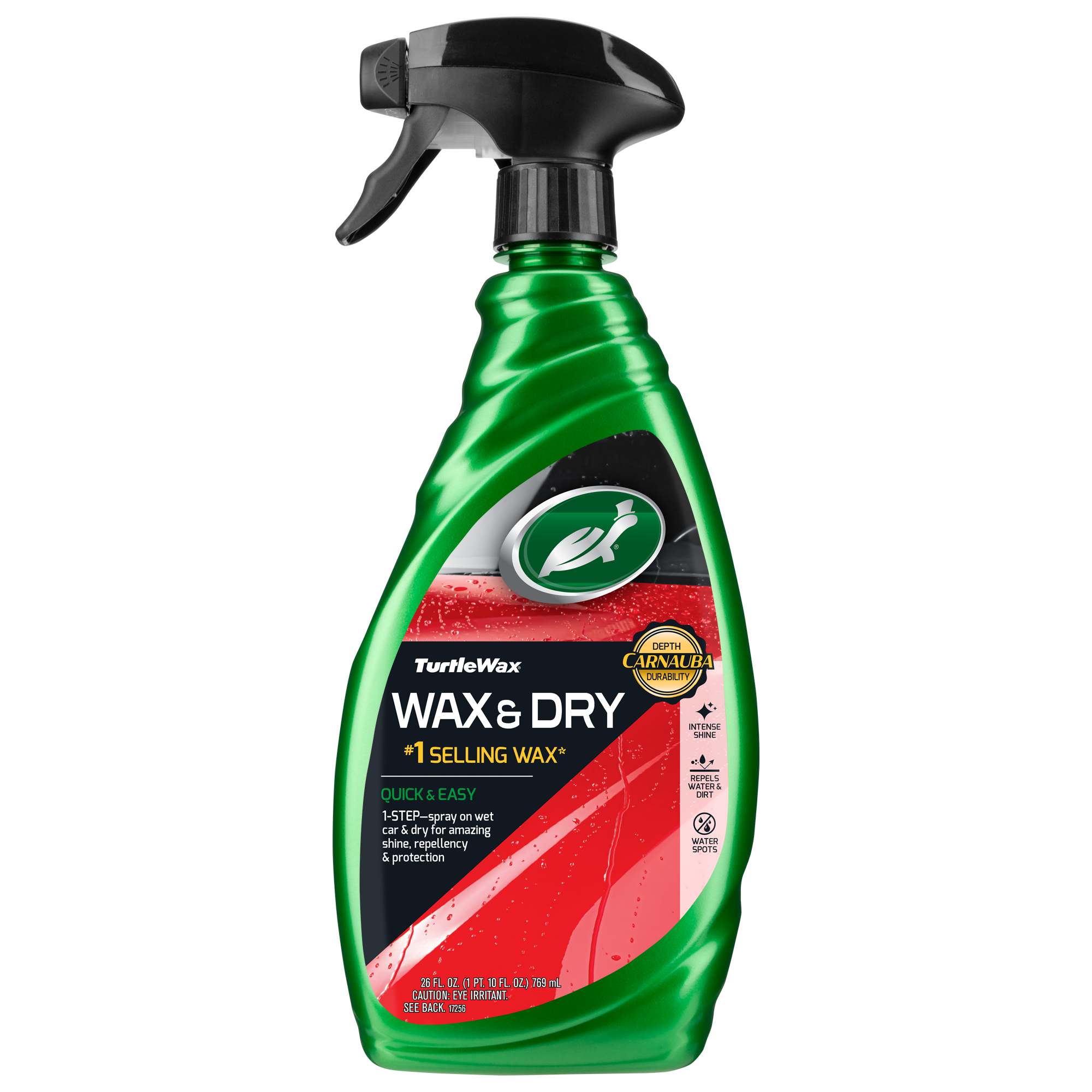
Credit: www.turtlewax.com
Factors Affecting Car Wax Drying Time
Understanding what affects the drying time of car wax can save you from frustration and help you plan your car care routine better. Drying time isn’t just a fixed number; it shifts based on several factors you might not have considered before. Knowing these can help you achieve that perfect, glossy finish without waiting around unnecessarily.
Type Of Wax Used
Different waxes dry at different speeds. For example, synthetic waxes usually dry faster than natural carnauba waxes. Have you noticed some products feel tacky longer? That’s often because natural waxes need more time to bond and cure on your car’s surface.
Choosing the right wax for your schedule matters. If you’re short on time, a spray or liquid wax might be your best bet since they tend to dry within minutes. Solid or paste waxes typically require more patience but offer longer-lasting protection.
Weather Conditions
Temperature, humidity, and sunlight play a huge role in how fast your wax dries. Warm, dry days speed up drying, while cold or humid weather slows it down. Ever tried waxing on a rainy or foggy day? You probably noticed it took much longer to dry or didn’t set properly.
Direct sunlight can help, but too much heat might cause the wax to dry unevenly or become difficult to buff. Aim for mild weather and avoid waxing in direct midday sun if you want the best results.
Application Thickness
Applying too much wax doesn’t mean better protection—it actually extends drying time. A thick layer can stay wet for hours, leaving streaks and smudges. Have you ever wiped off a glob of wax that just wouldn’t dry? That’s a sign you applied too much.
Thin, even layers dry faster and create a smoother finish. Try using small amounts and build up if needed instead of slathering it on all at once.
Surface Temperature
The temperature of your car’s surface is different from the air temperature. A hot hood can cause wax to dry too quickly, making it hard to spread or buff. Conversely, a cold surface slows down the process and might prevent the wax from bonding well.
Check your car’s surface before you start. If it’s too hot or cold to touch comfortably, consider waiting. This simple step can improve drying times and overall wax performance.
Typical Drying Times For Popular Car Waxes
Understanding how long it takes for car wax to dry is crucial for achieving that perfect finish. Different types of wax have varying drying times, which can impact how soon you can buff or expose your car to the elements. Knowing these times helps you plan your detailing session without rushing or risking a poor result.
Natural Waxes
Natural car waxes, often made from carnauba, usually take the longest to dry. Expect drying times of around 15 to 30 minutes, depending on the thickness of the application and temperature.
Natural waxes require patience because rushing the buffing step can smear the wax and reduce shine. Think about the last time you used carnauba wax—did you notice that perfect, deep gloss often comes after a careful wait?
Synthetic Waxes
Synthetic waxes dry faster than natural ones, typically within 5 to 15 minutes. Their chemical makeup allows them to bond quickly to your car’s paint surface, giving you a quicker turnaround.
If you want to finish your waxing session in under 20 minutes, synthetic wax is your go-to. Just remember to work in small sections to avoid the wax drying too hard before you buff it off.
Liquid And Spray Waxes
Liquid and spray waxes are the quickest to dry, often needing only 1 to 5 minutes before buffing. They are designed for convenience and speed, ideal for touch-ups or quick detailing jobs.
These waxes dry so fast that you might wonder if they offer the same protection. The key is applying a thin, even layer to ensure the wax bonds properly without streaking.
Tips To Speed Up Wax Drying
Speeding up car wax drying saves time and protects your car’s shine. Follow simple tips to help wax dry faster and better. A few smart moves make a big difference in drying time and finish.
Choosing The Right Environment
Pick a dry, warm place for waxing your car. Avoid humid or cold areas. Sunlight helps wax dry but avoid direct harsh sun. A shaded spot with good airflow works best.
Try to wax during mid-morning or late afternoon. Early morning dew or evening moisture can slow drying. A garage with a fan can improve air circulation.
Proper Application Techniques
Apply wax in thin, even layers. Thick layers take longer to dry and may streak. Use a soft applicator pad to spread wax smoothly.
Work on one section at a time. This keeps wax fresh and easier to buff. Let the wax haze slightly before wiping off with a microfiber cloth.
Using Drying Aids
Use drying aids designed for car wax. Spray-on quick-dry products speed up the drying process. They also add extra shine and protection.
A clean microfiber towel helps remove wax residue faster. Avoid rubbing hard; gentle wiping works better. Some detailers use a leaf blower or air compressor for quick drying.

Credit: www.amazon.com
Common Mistakes To Avoid When Waxing
Waxing your car looks easy but many make common mistakes. These errors can affect how long wax takes to dry and the final shine. Avoiding these pitfalls helps your car look great and protects the paint better.
Applying Too Much Wax
Using too much wax causes uneven drying and sticky spots. Thick layers take longer to dry and can leave residue. Spread a thin, even coat for better results. Less is more with car wax.
Waxing In Direct Sunlight
Sunlight heats the car surface and dries wax too fast. This makes wiping off wax hard and can cause streaks. Wax in a shaded area or garage. Cooler surfaces help wax dry properly and evenly.
Ignoring Surface Preparation
Skipping cleaning before waxing traps dirt under the wax. Dirt causes scratches and prevents wax from sticking well. Wash and dry your car fully first. Use clay bars for extra smoothness before waxing.
Credit: www.newenglandrust.com
Frequently Asked Questions
How Long Does Car Wax Take To Dry?
Car wax typically takes 20 to 30 minutes to dry. Drying time depends on wax type, temperature, and humidity. Avoid touching the surface during this period for best results.
Can Temperature Affect Car Wax Drying Time?
Yes, temperature greatly affects drying time. Warmer conditions speed up drying, while cold or humid weather slows it down. Always apply wax in moderate temperatures for optimal drying.
Is It Necessary To Let Car Wax Fully Dry?
Yes, letting car wax fully dry ensures a strong protective layer. Applying too soon or wiping off early can reduce wax effectiveness and shine.
How To Know When Car Wax Is Dry?
Car wax is dry when it appears hazy or dull on the surface. At this point, it’s ready to be buffed with a clean cloth for a glossy finish.
Conclusion
Car wax usually takes about 20 to 30 minutes to dry. Drying time depends on weather and wax type. Warm, sunny days help wax dry faster. Always follow the instructions on your wax product. Wait until the wax feels dry and not sticky.
This ensures a smooth, shiny finish on your car. Patience pays off with better protection and look. Regular waxing keeps your car’s paint safe and bright. Take your time for the best results every time.