
Changing your car’s oil is an important task that keeps your engine running smoothly. But have you ever wondered how long you should let your car cool before you start?
If you dive in too soon, hot oil can cause burns or damage your car parts. Wait too long, and you might waste time or risk dirt getting inside. You’ll discover the perfect timing to let your car cool down, making your oil change safer and easier.
Keep reading to learn simple tips that will protect both you and your vehicle.
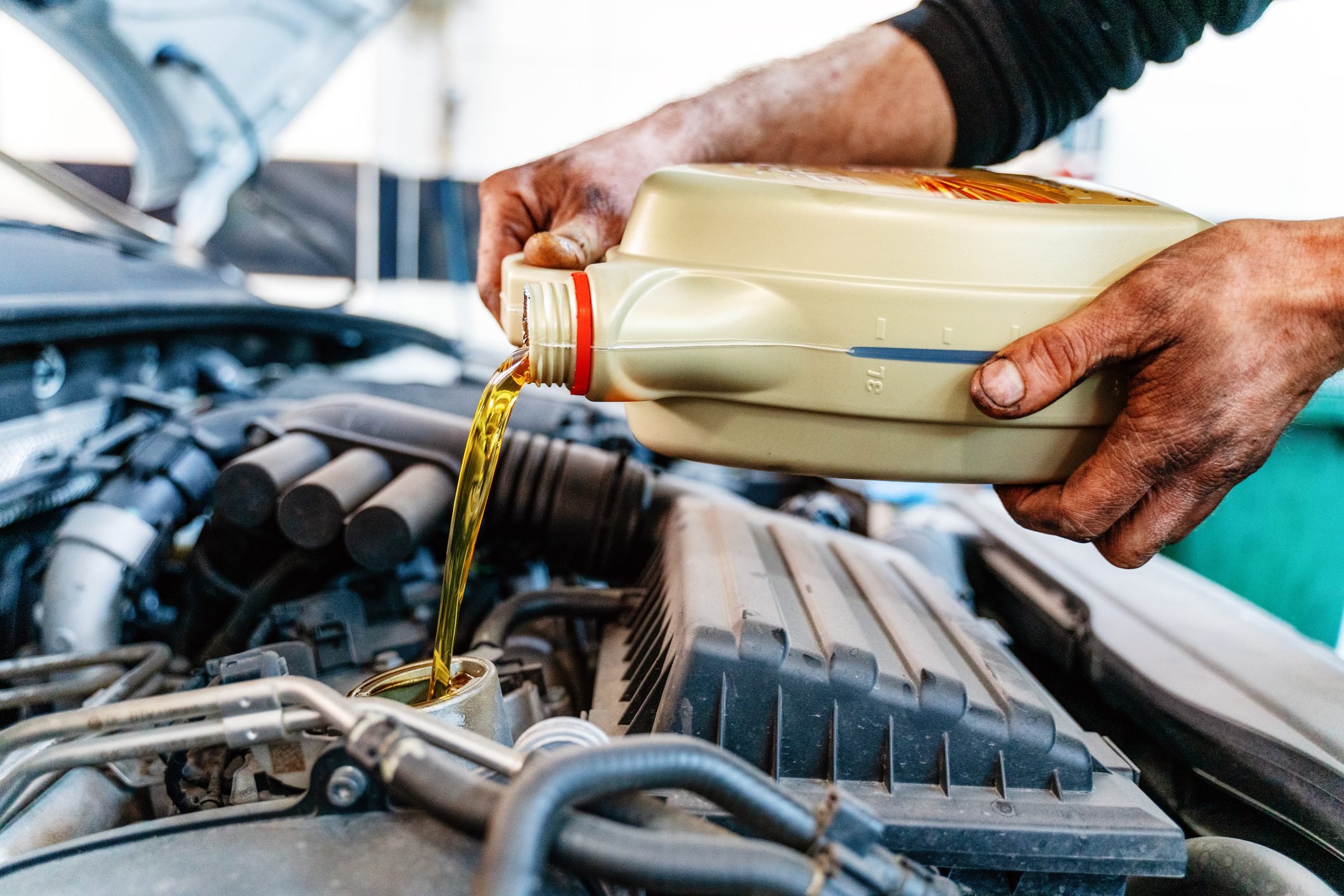
Credit: www.familyhandyman.com
Ideal Cooling Time
Knowing the ideal cooling time before changing your car’s oil is crucial. If you jump in too soon, the oil might still be hot, risking burns and inaccurate draining. Waiting just the right amount helps you handle the task safely and ensures the oil flows out smoothly, taking impurities with it.
Factors Affecting Cooling Duration
The cooling time depends on several things you might not have considered. For instance, the engine size and type influence how quickly heat dissipates. A larger engine holds heat longer, so it needs more time before you start the oil change.
Ambient temperature also plays a role. On a hot day, your engine stays warm longer, while in colder weather, it cools faster. Additionally, if you’ve been driving aggressively, your engine runs hotter, extending the cooling period.
Think about your car’s design too. Some models have better airflow around the engine, helping it cool quicker. Have you noticed how parking in the shade versus direct sunlight affects how fast your car cools? That simple choice can change your waiting time.
Signs Your Engine Is Ready
How do you tell when it’s safe to start changing the oil? Touching the oil dipstick carefully can give you a clue—it should feel warm, not hot. If it’s too hot to hold, give it more time.
Look for steam or heat waves rising from under the hood. Their absence often means the engine has cooled down enough. Also, the oil’s color can help; if it’s flowing smoothly and not thick or sludgy, you’re good to go.
Do you have a thermometer? Measuring engine or oil temperature can take guesswork out of the process. Aim for around 100°F (38°C) before starting your oil change to avoid burns and ensure the oil drains properly.

Credit: bestsellingcarsblog.com
Risks Of Changing Oil Too Soon
Changing your car’s oil too soon after driving can lead to several problems you might not expect. It’s tempting to jump right into the task, especially when you’re eager to get it done. But rushing this job could cause harm to you and affect the quality of the oil change itself.
Burn Hazards
Hot engine oil can cause serious burns if it touches your skin. After you’ve driven, the oil and engine parts remain extremely hot for a while. Trying to drain the oil immediately puts you at risk of splashes or spills that can burn you badly.
Have you ever felt the sting of hot oil? It’s painful and can lead to long recovery times. Waiting for the engine to cool even 20-30 minutes can protect your hands and arms from injury.
Inaccurate Oil Drainage
When the engine is too hot, the oil flows quickly and may not drain completely. This can leave behind sludge and contaminants that reduce the effectiveness of your oil change.
Cooler oil drains more steadily and thoroughly. This means you get rid of old, dirty oil more completely, giving your new oil a clean start. Skipping the wait might seem faster, but it compromises the health of your engine in the long run.
Best Practices For Oil Change
Changing your car’s oil is a crucial task that keeps your engine running smoothly. However, doing it the right way can save you time, prevent damage, and even extend the life of your vehicle. Let’s look at some best practices that make the oil change process safe, efficient, and effective.
Tools And Safety Gear
Having the right tools and safety gear is essential before you start. You’ll need an oil filter wrench, a drain pan, a socket set, and a funnel. Don’t forget to have the correct type and amount of oil ready for your car model.
Protect yourself with gloves and safety glasses. Hot oil and sharp parts can cause injuries, so make sure you’re dressed appropriately. Also, using jack stands or ramps ensures your car is stable and secure while you work underneath.
Step-by-step Process
First, let your car cool down for at least 30 minutes after driving. This prevents burns and helps the oil drain more completely. Have you ever tried changing oil right after driving and ended up with painful burns? Avoid that by waiting.
Next, place the drain pan under the oil drain plug and carefully loosen the plug with a wrench. Let all the old oil drain out before replacing the plug securely. Then, remove the oil filter using the oil filter wrench; this is where most old oil hides, so be thorough.
After that, apply a little fresh oil to the rubber seal of the new filter to ensure a tight fit. Screw the new filter in place by hand until snug, then give it a slight turn more, but don’t overtighten. Finally, add the new oil through the filler hole using a funnel, checking the level with the dipstick to avoid overfilling.
Have you noticed how small details like applying oil to the filter seal make the whole process smoother? Paying attention to these steps can prevent leaks and engine trouble later on.
Maintaining Engine Health
Maintaining engine health is key to keeping your car running smoothly. The engine works hard every day, and oil helps protect its parts. Clean oil reduces wear and stops damage from heat and friction. Changing oil at the right time keeps the engine safe and efficient.
Letting the car cool before changing oil helps avoid burns and ensures accurate oil level checks. Warm oil drains better, but the engine should not be too hot to touch. This balance protects both you and the engine during maintenance.
Regular Oil Change Intervals
Follow the car maker’s recommended oil change schedule. This is usually every 3,000 to 7,500 miles, depending on the car and oil type. Regular changes prevent dirt and sludge from building up. Old oil loses its ability to protect the engine.
Check the oil level often between changes. Low or dirty oil can cause engine problems fast. Sticking to intervals keeps the engine running longer and saves money on repairs.
Choosing The Right Oil
Use the oil grade recommended in your car manual. It matches the engine’s needs for temperature and driving style. Synthetic oils last longer and handle heat better than regular oils. They also keep the engine cleaner.
Consider your driving conditions. Cold weather calls for thinner oils, while hot climates need thicker oils. Using the correct oil type improves engine protection and fuel efficiency.

Credit: www.youtube.com
Frequently Asked Questions
How Long Should I Wait For Car To Cool Before Oil Change?
Wait at least 30 to 60 minutes for your car to cool before changing oil. This prevents burns and ensures accurate oil draining. Cooler oil flows better and helps protect engine components during the change.
Why Is Cooling Time Important Before Changing Oil?
Cooling time prevents hot oil burns and reduces risk of injury. It also allows oil to thicken slightly for better drainage. This step protects both you and your engine during the oil change process.
Can I Change Oil Immediately After Driving?
No, avoid changing oil immediately after driving. Hot engine parts and oil can cause burns. Waiting allows oil to cool and settle for a safer, cleaner oil change.
What Happens If I Change Oil Too Soon?
Changing oil too soon risks burns from hot oil and engine parts. It can cause improper oil drainage and mess. Waiting ensures safety and proper oil removal.
Conclusion
Letting your car cool before changing the oil is very important. Wait at least 30 minutes to avoid burns and spills. This time helps the oil settle and makes the job safer. Always handle tools and parts carefully. Taking this simple step protects you and your engine.
Remember, patience leads to better car care. Keep your car running smooth and last longer by following this advice. Safe oil changes start with a cool engine.