
If you’re planning to work under your car, safety should be your top priority. Using jack stands correctly can keep you safe and prevent accidents that could cause serious injury or damage.
But do you really know how to use jack stands the right way? You’ll discover simple, step-by-step tips to set up your jack stands securely and confidently. By the end, you’ll feel ready to tackle your car maintenance safely and like a pro.
Keep reading—your safety depends on it.
Choosing The Right Jack Stands
Choosing the right jack stands is essential for safety and efficiency. The correct stand supports your vehicle firmly while you work underneath. Understanding key factors helps you pick the best jack stands for your car.
Weight Capacity And Size
Check the weight capacity before buying. Each jack stand has a maximum load it can hold. Pick one that supports more than your vehicle’s weight. Size matters too. The stand must fit under your car’s frame or lift points. Using a stand that is too small or too large can be dangerous.
Materials And Build Quality
Look for jack stands made from strong materials like steel or heavy-duty aluminum. Good build quality means the stand lasts longer and holds weight safely. Avoid stands with thin metal or poor welding. Quality stands often have a stable base to prevent slipping.
Types Of Jack Stands
Several types of jack stands exist. The most common are ratchet and pin lock stands. Ratchet stands adjust height with a toothed bar, locking in place automatically. Pin lock stands use a steel pin to secure the height. Choose the type that feels easier and safer for you. Also, consider tripod stands for extra stability on uneven ground.
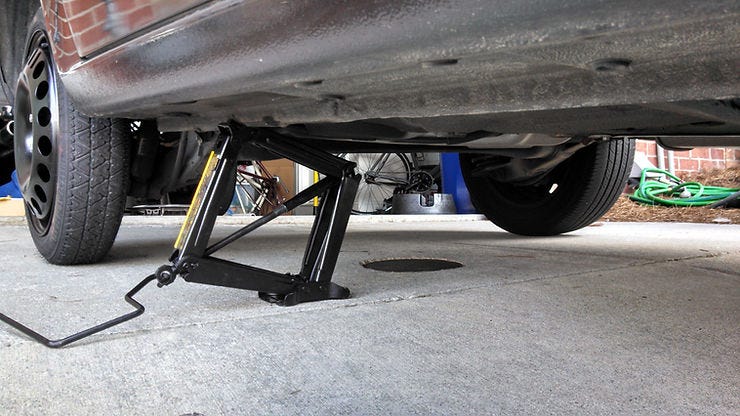
Credit: kashylachlan.medium.com
Preparing Your Vehicle
Before you lift your car with jack stands, preparing your vehicle properly is crucial for safety and effectiveness. Taking these preparatory steps helps prevent accidents and ensures your vehicle stays stable while you work underneath. Let’s look at the key actions you need to take before placing those stands.
Finding A Level Surface
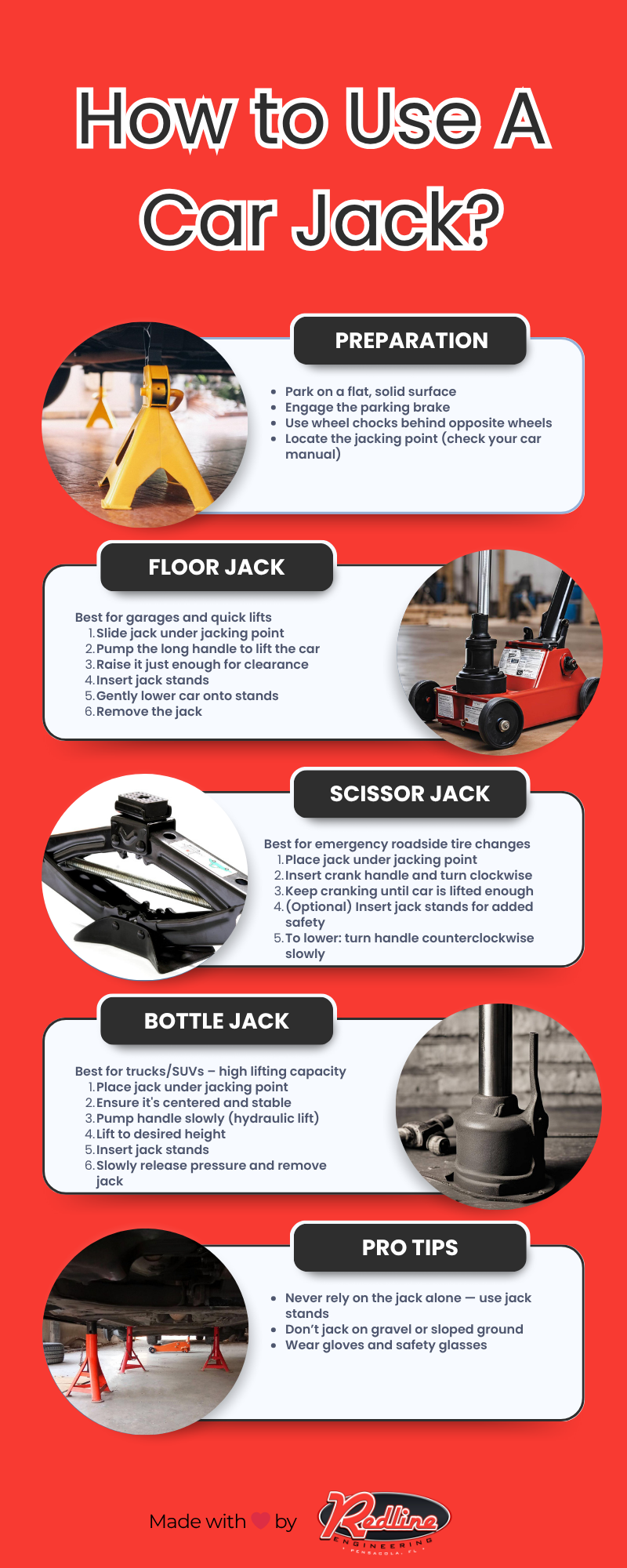
Start by parking your car on a flat, level surface. Uneven ground can cause your jack stands to tilt or slip, which is dangerous. Avoid soft surfaces like dirt or grass; instead, opt for concrete or asphalt whenever possible.
Think about the last time you worked on your car. Did you struggle with uneven terrain? Choosing a level spot eliminates unnecessary risks and makes your job easier.
Engaging The Parking Brake
Once parked, firmly engage your parking brake. This simple step locks the wheels and prevents the car from rolling unexpectedly. Even if you plan to lift only one side, the parking brake secures the entire vehicle.
Have you ever had a car move slightly while working underneath? Engaging the parking brake stops this from happening, giving you peace of mind as you focus on the task.
Chocking The Wheels
Chock the wheels that will remain on the ground. Use sturdy wheel chocks or even heavy blocks to block the tires. This extra security prevents any side-to-side movement while the vehicle is elevated.
Placing chocks might seem like an extra step, but it can save you from dangerous shifts. Always position the chocks on both sides of the wheel for maximum stability.
Proper Jack Stand Placement
Proper jack stand placement is essential for your safety and the success of any car maintenance task. If you don’t place the stands correctly, the vehicle can slip or fall, causing damage or injury. Taking the time to find the right spots and position the stands firmly will give you peace of mind and let you focus on the work ahead.
Locating Secure Lift Points
Every car has specific points designed to support its weight safely. These are often marked in the owner’s manual or visible as reinforced areas on the frame or underbody. Look for metal parts that don’t bend easily—these are your best bet for stable support.
Never guess the lift points. Have you ever tried lifting a car only to realize it wasn’t balanced? That moment of doubt is dangerous. Double-checking these spots can prevent accidents before they happen.
Positioning The Stands Correctly
Once you find the lift points, place the jack stands directly underneath them. Make sure the stand’s saddle (the part that contacts the car) fits snugly against the frame or lifting point. Avoid placing stands on plastic parts, exhaust pipes, or anything that might break under pressure.
Adjust the height so the car sits level and stable. If the stands have locking pins or collars, secure them tightly to avoid any sudden drops. Think about the weight distribution—stands too close together or unevenly spaced won’t provide proper support.
Testing Stability Before Work
Before you crawl under your car, give it a gentle shake to test the setup. If the car wobbles or shifts, reposition the stands immediately. Your life depends on this step—never skip it.
Try rocking the vehicle slightly from side to side while standing clear. If it holds steady, you can move forward with confidence. If not, reassess your placement or find stronger lift points. Would you trust your safety without this final check?
Credit: www.redlinestands.com
Safety Tips While Using Jack Stands
Using jack stands is essential for safe car maintenance. These tools hold your vehicle securely off the ground. Safety must be your top priority. Following key safety tips reduces risks and protects you from injury. Understand how to use jack stands correctly before starting your work.
Avoiding Common Mistakes
- Never rely solely on a jack to support the car.
- Place jack stands on a flat, solid surface only.
- Do not use damaged or worn jack stands.
- Check the vehicle’s manual for proper lift points.
- Ensure the car is in park or gear and the parking brake is on.
Regular Inspection Of Equipment
Inspect jack stands before each use. Look for cracks, rust, or bent parts. Test the locking mechanism to ensure it holds firmly. Replace any equipment that shows wear or damage. Proper maintenance extends the life of your tools and keeps you safe.
Working Safely Under The Vehicle
- Double-check that jack stands are stable and secure.
- Shake the vehicle gently to confirm it won’t move.
- Keep a phone nearby in case of emergency.
- Never work alone when under a raised car.
- Wear safety goggles and gloves for added protection.

Credit: www.reddit.com
Frequently Asked Questions
How Do You Safely Position Jack Stands Under A Car?
Place jack stands under the vehicle’s recommended lift points. Ensure the surface is flat and stable. Slowly lower the car onto the stands, making sure they contact the frame securely before fully releasing the jack.
What Weight Capacity Should Jack Stands Have?
Choose jack stands with a weight rating higher than your vehicle’s weight. This ensures safety and stability during use. Always check the manufacturer’s specifications before purchasing or using jack stands.
Can You Use Jack Stands On Uneven Ground?
No, always use jack stands on a level, solid surface. Uneven ground can cause instability, risking the car falling. Use a concrete or asphalt surface for maximum safety.
How High Should I Lift My Car Before Using Jack Stands?
Lift the car high enough to fit the jack stands comfortably under the lift points. Typically, 18 to 24 inches is sufficient. Avoid lifting higher than necessary to maintain stability.
Conclusion
Using jack stands keeps your car safe while working underneath. Always place them on a flat, solid surface. Position the stands under the car’s recommended points. Lower the car slowly onto the stands. Never rely on a jack alone for support.
Double-check that the stands are stable before starting work. Taking these steps helps prevent accidents and injuries. Safety is the top priority when lifting a car. Follow these simple tips every time you use jack stands. Stay safe and work with confidence.