Lifting your car safely is a skill every driver should know. Whether you need to change a tire or check under the hood, using jack stands is the key to staying secure.
But if you’re unsure how to jack up your car with jack stands, it can feel risky and confusing. This guide will walk you through simple, clear steps so you can do it confidently and safely. By the end, you’ll have the know-how to lift your car like a pro and avoid common mistakes that could cost you time or cause injury.
Keep reading—your safety and peace of mind depend on it.
Choosing The Right Jack And Stands
Choosing the right jack and stands is key to safely lifting your car. The right tools provide stability and support. This helps prevent accidents and damage. Understanding different jacks and stands makes your job easier and safer. Focus on types, weight limits, and safety ratings.
Types Of Car Jacks
Different car jacks serve different purposes. Here are common types:
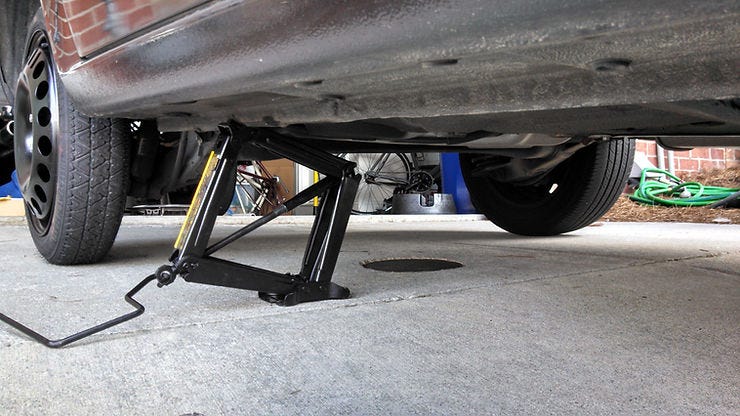
- Scissor Jack:Compact and easy to carry. Good for small cars and emergency use.
- Hydraulic Floor Jack:Uses hydraulic power for smooth lifting. Ideal for garages and heavier vehicles.
- Bottle Jack:Tall and strong. Works well on trucks and SUVs with higher clearance.
Choose a jack that fits your vehicle size and lifting needs.
Selecting Appropriate Jack Stands
Jack stands hold the car after lifting. They must match the jack and vehicle weight. Look for stands with wide bases for stability. Adjustable height stands offer flexibility for different cars. Avoid stands with rust or damage. Always use jack stands on flat, solid ground.
Safety Ratings And Weight Limits
Check the weight capacity of both jack and stands. Each tool has a maximum load rating. Never exceed this limit. Safety ratings are usually marked on the tool. Use a jack and stands rated higher than your car’s weight. This adds an extra margin of safety.

Credit: www.youtube.com
Preparing Your Vehicle
Preparing your vehicle before jacking it up with jack stands is crucial for safety and ease. Taking a few simple steps can prevent accidents and damage to your car. These precautions help you stay in control and confident throughout the process.
Parking On A Level Surface
Always park your car on a flat, level surface. Uneven ground can cause the car to shift or the jack stands to slip, which is dangerous. If you’re working in your driveway or garage, make sure it’s not sloped or covered with loose gravel.
Think about the last time you tried to balance something on an uneven table—your car needs a stable base just like that. Double-check the surface before you start, and avoid soft or muddy areas that might give way.
Engaging The Parking Brake
Set your parking brake firmly before you lift the car. This simple step locks your vehicle in place and stops it from rolling. Even if you’re on a level surface, the parking brake adds an essential layer of security.
Imagine working under a car that suddenly rolls—scary, right? That’s why I never skip this step, no matter how confident I feel about the ground. Make sure the brake holds tight before moving forward.
Chocking The Wheels
Use wheel chocks on the tires that remain on the ground to block any movement. Place them snugly against the wheels to stop your car from rolling backward or forward. Rubber or wooden chocks work well and are easy to position.
It might feel like an extra hassle, but I’ve found chocks to be lifesavers, especially when working on slight inclines. If you don’t have chocks, heavy bricks or large stones can substitute temporarily—just be sure they are secure.
Lifting The Car Safely
Lifting a car safely is crucial before any repair or maintenance. Using jack stands correctly reduces risks. Focus on stable support and proper placement. Follow clear steps to avoid accidents and damage. Let’s explore how to lift your car safely.
Locating Jack Points
Find the car’s designated jack points first. Check the owner’s manual for exact spots. These points are reinforced areas made to hold weight. Avoid soft or rusty parts that may bend or break. Common jack points include:
- Frame rails near the wheels
- Under the rocker panels
- Near suspension components
Mark these spots before lifting to ensure stability.
Positioning The Jack
Place the jack under the correct jack point. Ensure the jack’s saddle fits securely. The base of the jack must rest on solid, flat ground. Avoid soft surfaces like dirt or gravel. Use a piece of wood if the ground is uneven. Align the jack to prevent slipping during lifting.
Raising The Vehicle
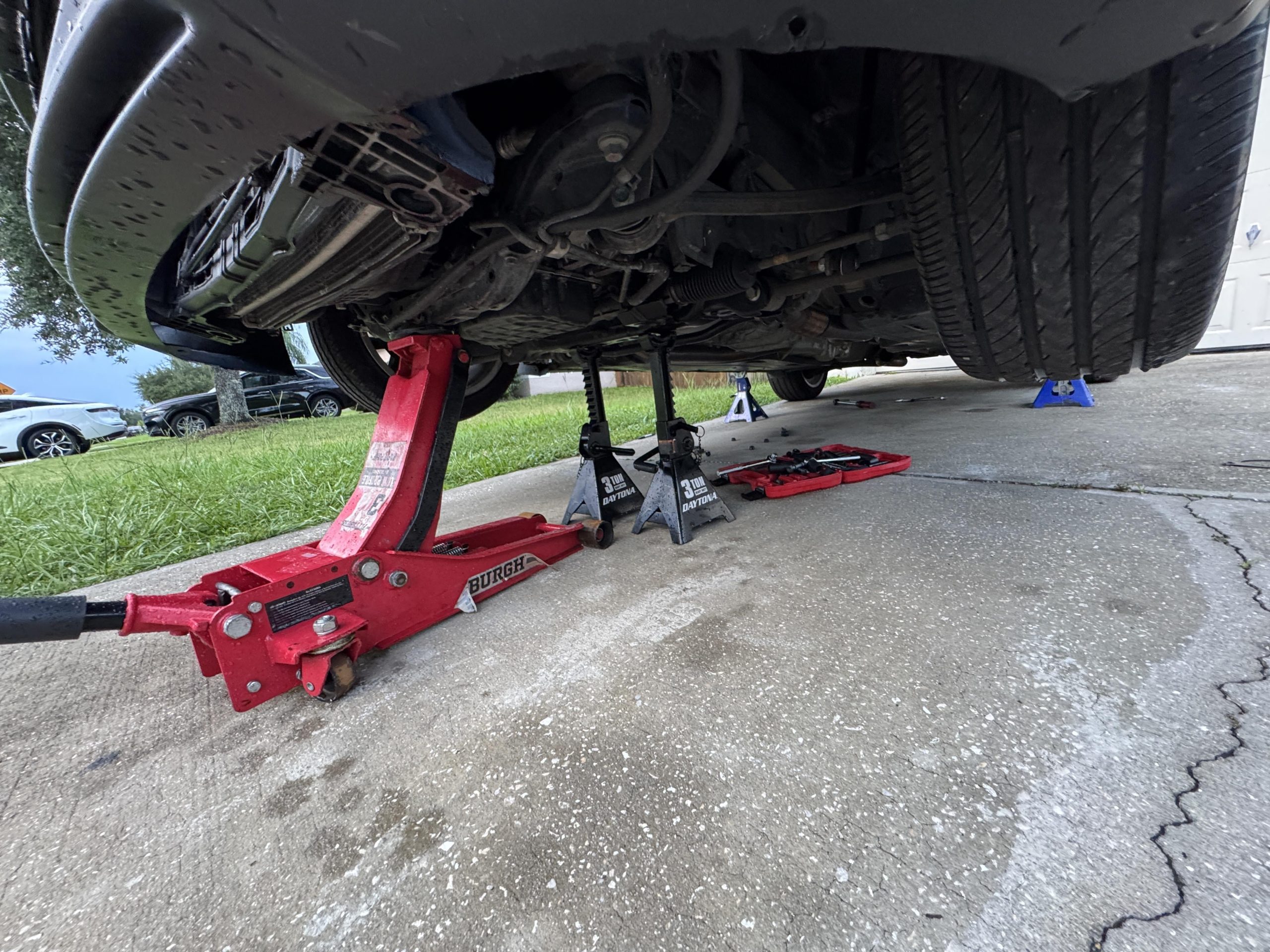
Slowly pump the jack handle to lift the car. Stop and check stability as the car rises. Lift just enough to place the jack stands. Never rely on the jack alone to hold the car. Set the jack stands under strong parts near the jack point. Lower the car gently onto the stands. Ensure the car rests firmly before working underneath.
Credit: kashylachlan.medium.com
Securing The Car With Jack Stands
Securing the car with jack stands is essential for safety during any repair or maintenance. Jack stands hold the vehicle steady after lifting it with a jack. They prevent the car from falling, protecting you from injury. Proper placement and stability checks ensure the car stays firmly in place. Follow these steps to secure your car safely and confidently.
Placing The Jack Stands Correctly
Locate the manufacturer’s recommended lift points under the car. These points are strong and designed to hold weight safely. Avoid placing jack stands on fragile parts like the exhaust or fuel lines. Adjust the height of the jack stands to slightly below the lifted car. Position both stands evenly on each side to balance the car’s weight.
Lowering The Car Onto Stands
Slowly lower the car by turning the jack handle counterclockwise. Let the car settle gently on the jack stands. Do not let the car drop suddenly, as this can cause damage or instability. Make sure the stands support the car’s full weight before removing the jack completely. Keep your hands clear during this process to avoid injury.
Double-checking Stability
Give the car a gentle push to test stability. It should not wobble or shift on the jack stands. Check that the jack stands are firmly on flat, solid ground. Inspect the contact points under the car for secure placement. Never work under a car that feels unstable or unsteady on the stands.

Credit: m.youtube.com
Frequently Asked Questions
What Safety Measures Should I Take Before Using Jack Stands?
Always park on a level surface and engage the parking brake. Use wheel chocks to prevent rolling. Inspect jack stands for damage before use. Never rely solely on the jack; always support the car with jack stands for safety.
How Do I Position Jack Stands Correctly Under A Car?
Locate the car’s designated lift points, usually found in the owner’s manual. Place jack stands under these points to avoid damage. Ensure both stands are on solid ground and evenly spaced to support the car’s weight securely.
Can I Use Any Jack Stand For All Car Types?
No, choose jack stands rated for your car’s weight. Check the weight capacity marked on the jack stands. Using under-rated stands can cause failure and accidents. Always select stands suitable for your vehicle’s size and weight.
How High Should I Jack Up My Car Before Using Stands?
Lift the car until there is enough clearance to work comfortably. Ensure the height allows the jack stands to fit under safely. Avoid raising the car higher than necessary to maintain stability and safety during work.
Conclusion
Jack stands keep your car steady and safe while you work. Always place them on a flat surface for better support. Double-check the jack stands before starting any task. Take your time and follow the steps carefully. Safety matters most when lifting a car.
Practice these tips to feel confident and avoid accidents. Jacking up your car is easier with the right tools and knowledge. Stay safe and work smart every time you lift your vehicle.