
Have you ever wondered how long your car’s tires should really last? Knowing this can save you money, keep you safe, and prevent unexpected car troubles.
But the answer isn’t the same for everyone. It depends on how you drive, where you live, and the kind of tires you have. You’ll discover the key factors that affect tire life and learn exactly when it’s time to replace them.
Keep reading to protect your ride and get the most from your tires.
Credit: www.formulahonda.com
Factors Affecting Tire Lifespan
Tire lifespan depends on many factors. These factors influence how long tires remain safe and effective on your car. Understanding these elements helps you get the best value and performance from your tires.
Driving Habits
Aggressive driving wears tires faster. Hard braking, quick acceleration, and sharp turns cause more tire wear. Smooth and steady driving helps tires last longer. High speeds generate more heat, reducing tire life. Frequent short trips do not allow tires to warm properly, affecting longevity.
Road Conditions
Rough roads damage tires more quickly. Potholes, gravel, and debris increase wear and tear. Smooth asphalt is easier on tires and extends their life. Driving on uneven surfaces causes uneven tire wear. Avoiding bad roads can help your tires last longer.
Climate Impact
Extreme temperatures affect tires differently. Hot weather softens rubber, speeding up wear. Cold weather makes tires harder and prone to cracking. Wet and icy conditions require tires with better grip, which may wear faster. Proper tires for each season improve lifespan.
Tire Maintenance
Regular tire care is key to long life. Check tire pressure monthly; underinflation causes extra wear. Rotate tires every 5,000 to 8,000 miles for even wear. Align wheels to prevent uneven tread wear. Inspect tires for cuts, punctures, or bulges often.
Credit: www.msn.com
Average Tire Lifespan Expectations
Tires wear down over time due to regular use and road conditions. Knowing the average lifespan helps plan for replacements. Several factors affect how long tires last, but common benchmarks give a good estimate. Understanding these can save money and keep driving safe.
Mileage Benchmarks
Most tires last between 25,000 and 50,000 miles. Some high-quality tires can reach up to 70,000 miles. Driving style and road surfaces impact mileage. City driving often causes faster wear than highway driving. Checking mileage regularly helps track tire health.
Tread Wear Indicators
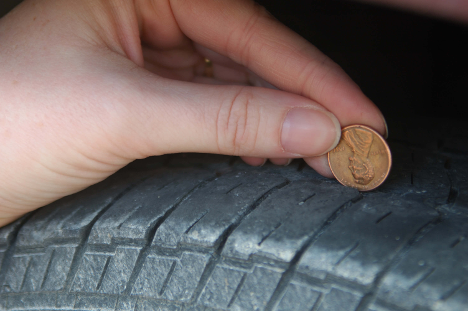
Tires have built-in tread wear indicators. These small bars appear when tread depth is low. The legal minimum tread depth is 2/32 inch. When indicators show, it is time to replace tires. Worn tread reduces grip and increases accident risk.
Manufacturer Recommendations
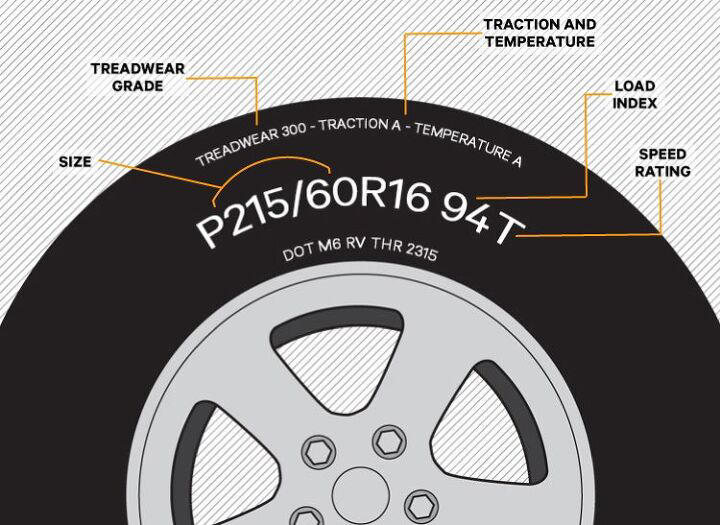
Tire makers suggest replacement intervals in years and miles. Most recommend replacing tires every six years. Some tires may last up to ten years if unused. Age weakens rubber, even without much use. Always check the tire sidewall for manufacturing date.
Signs It’s Time To Replace Tires
Recognizing the signs that your tires need replacing can save you from unexpected breakdowns and costly repairs. Tires don’t just wear out quietly; they send clear signals when their time is up. Paying attention to these signs helps you maintain safety and performance on the road.
Visible Damage
Check your tires regularly for cracks, cuts, or bulges on the sidewalls. Even small punctures or embedded objects can lead to bigger problems later. If you spot any unusual wear patterns or exposed cords, it’s a definite warning to replace your tires immediately.
Performance Issues
Have you noticed your car pulling to one side or a decrease in traction during wet conditions? These are strong indicators your tires are losing grip. Also, if your ride feels bumpier or you hear more road noise than usual, your tires might be past their prime.
Age-related Wear
Tires degrade over time, regardless of mileage. Most manufacturers recommend replacing tires every six years, even if they look fine. Ask yourself: how old are your tires? If you’re unsure, check the DOT code on the tire sidewall to find out their manufacturing date.

Credit: carfromjapan.com
Frequently Asked Questions
How Long Do Car Tires Typically Last?
Car tires usually last between 25,000 to 50,000 miles. This depends on driving habits, road conditions, and tire quality. Regular maintenance like rotation and proper inflation extends tire life significantly.
What Factors Affect Tire Lifespan On A Car?
Tire lifespan depends on driving style, road quality, climate, and tire maintenance. Aggressive driving and poor roads wear tires faster. Regular checks and proper inflation help maximize durability.
How Can I Tell When My Tires Need Replacing?
Look for tread wear indicators, cracks, or uneven wear patterns. Tires older than six years might also need replacement regardless of tread depth. Regular inspections ensure safe and efficient driving.
Does Tire Type Influence How Long Tires Last?
Yes, tire type affects durability. Performance tires wear faster than touring or all-season tires. Choosing the right tire type for your driving needs improves lifespan and safety.
Conclusion
Tires wear out with time and use. Check them often for safety. Proper care helps tires last longer. Driving smoothly saves tire life. Replace tires when tread looks thin. Good tires keep your car steady. Don’t wait for problems to show.
Stay safe by watching tire health. Regular checks protect you on the road. Tire life depends on many small things. Keep these tips in mind always.