
You’ve noticed a crack on your windshield, and now you’re wondering: can you still wash your car without making it worse? It’s a common question that worries many car owners like you.
Washing your car is part of regular care, but when your windshield is damaged, you might hesitate. Should you avoid water? Could washing cause the crack to spread? You’ll find clear answers and simple tips to protect your windshield while keeping your car clean.
Keep reading—you’ll learn exactly what to do next to keep your car looking great without risking more damage.
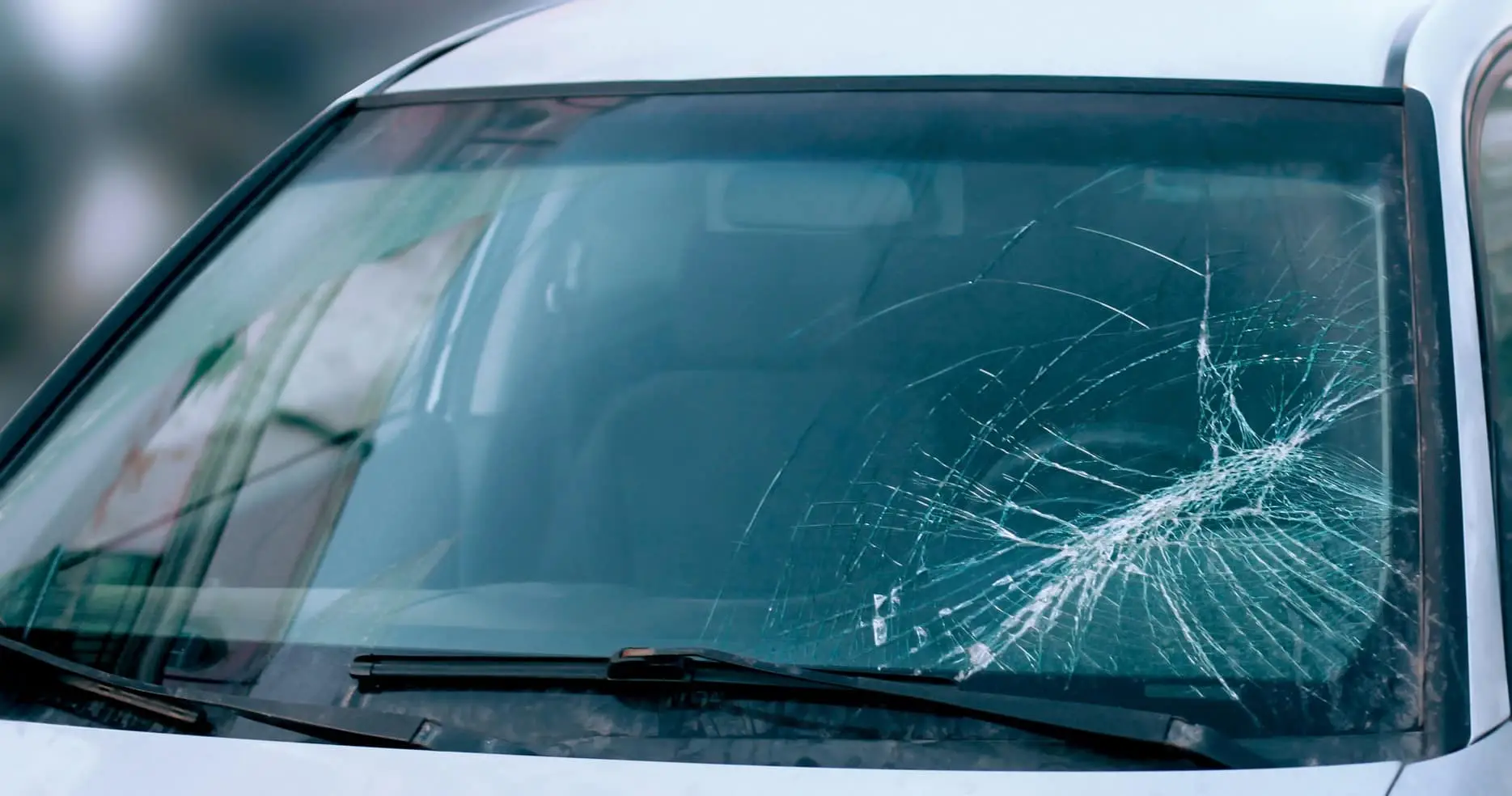
Credit: www.treasurecoastlexus.com
Risks Of Washing A Car With A Cracked Windshield
Washing a car with a cracked windshield carries several risks. The pressure from water and cleaning tools may worsen the crack. Dirt and debris can enter the crack, causing more damage over time.
The crack weakens the glass structure. This makes the windshield more vulnerable to breaking during a wash. It may also affect your safety while driving.
Increased Risk Of Crack Expansion
Water pressure can push the crack further. Sudden temperature changes during washing may cause the glass to expand and contract. This leads to the crack spreading faster.
Water Seeping Into The Crack
Water can enter the crack and stay trapped inside. Moisture buildup weakens the glass edges. It also encourages dirt and debris to collect, causing stains and further damage.
Possible Safety Hazards
A cracked windshield offers less protection in accidents. Washing can make the crack larger and more dangerous. Visibility issues may also arise from dirt trapped in the crack.
Damage To Wiper Blades And Washers
Cracks can catch on wiper blades and damage them. Water pressure from washers aimed at the crack may worsen the damage. This can increase repair costs.
Credit: www.swedespeed.com
Types Of Windshield Cracks And Their Impact
Understanding the types of windshield cracks can help you decide whether washing your car is safe or if it might worsen the damage. Each crack type affects the windshield’s strength differently and can influence how water interacts with the damaged area.
Chip Cracks
Chip cracks are small, round damage spots usually caused by stones or debris hitting your windshield. Though minor, they can quickly expand if exposed to water pressure or temperature changes.
If you wash your car with a chip crack, water might seep into the crack, making it grow larger. It’s often best to get chips repaired promptly to avoid bigger issues.
Stress Cracks
Stress cracks appear as long, thin lines on the windshield, often caused by temperature changes or poor installation. These cracks weaken the windshield’s structural integrity over time.
Washing your car with a cracked windshield that has stress cracks might increase the risk of the crack spreading. Be cautious with high-pressure water near these cracks.
Star Breaks
Star breaks have multiple cracks radiating from a central point, resembling a star shape. This type of crack is more vulnerable to spreading because the damage covers a wider area.
Applying water during car washing can push moisture into the cracks, potentially worsening the damage. It’s wise to avoid aggressive washing or get professional advice first.
Combination Cracks
Combination cracks involve more than one type of damage, such as a chip with branching cracks. These are the most complex and fragile types of cracks.
Washing your car without addressing combination cracks can lead to rapid deterioration. Protect your windshield by considering repairs before washing.
Edge Cracks
Edge cracks start at the windshield’s edge and can grow inward. These cracks are dangerous because they can compromise the entire glass panel.
Water exposure during washing can accelerate the spread of edge cracks. If your crack is near the edge, think twice before washing your car yourself.
Safe Washing Techniques For Cracked Windshields
Washing a car with a cracked windshield requires extra care. The crack can worsen if exposed to strong water pressure or harsh cleaning tools. Using gentle techniques keeps the windshield safe and clean. Follow these easy tips to protect your cracked windshield during washing.
Use Soft Cloths And Sponges
Choose soft microfiber cloths or sponges for washing. Avoid rough brushes that can scratch the glass. Gently wipe the cracked area to prevent pressure on the crack.
Apply Mild Cleaning Solutions
Use mild car wash soap mixed with water. Harsh chemicals can damage the glass further. A gentle cleaner removes dirt without harming the windshield.
Spray Water Lightly
Use a spray bottle or low-pressure hose to rinse. High-pressure water can push dirt into the crack or expand it. Light sprays clean the glass safely.
Avoid Hot Water On Cold Glass
Do not pour hot water on a cold windshield. Temperature changes can make cracks grow. Use lukewarm or cool water instead to protect the glass.
Dry With Care
Pat the windshield dry with a soft towel. Avoid rubbing hard over the cracked part. Gentle drying stops dirt from settling inside the crack.

Credit: www.reddit.com
When To Repair Or Replace Your Windshield
Deciding whether to repair or replace your cracked windshield can save you time, money, and stress. Not every crack means you need a full replacement. Understanding the signs that indicate repair is possible versus when replacement is necessary helps you make the right choice quickly.
Size And Location Of The Crack
Small chips or cracks less than six inches long often qualify for repair. Cracks that spread across the driver’s line of sight usually require replacement to ensure clear visibility. If the crack is near the edges of the windshield, it is more likely to worsen and may need a full replacement.
Depth And Type Of Damage
Surface-level chips that don’t penetrate the inner layers can usually be fixed. Deeper cracks that reach the inner laminate compromise the windshield’s strength. Multiple cracks or spider-web patterns also suggest replacement is the safer option.
Safety And Legal Considerations
Your windshield supports the roof and helps protect you during accidents. A damaged windshield can reduce your car’s structural integrity. Some states have strict laws about windshield damage, especially in critical viewing areas, so check local regulations before deciding.
Cost And Time Factors
Repairing a small crack is generally cheaper and takes less time than replacing the whole windshield. However, if you delay replacement when needed, damage can worsen and increase costs. Quick action often saves money and keeps your car safe.
Personal Experience With Windshield Damage
Once, I ignored a small crack on my windshield thinking it was harmless. Within weeks, it spread across the glass, forcing a costly replacement. That taught me to act quickly when I see any damage, even if it seems minor.
Frequently Asked Questions
Can I Wash My Car With A Cracked Windshield Safely?
Yes, you can wash your car with a cracked windshield. Use gentle water pressure and avoid direct sprays on the crack to prevent worsening damage.
Will Washing Worsen My Cracked Windshield?
Washing your car carefully won’t usually worsen the crack. Avoid high-pressure water and harsh scrubbing near the crack to keep it stable.
Should I Repair My Windshield Before Washing?
It’s best to repair significant cracks before washing. Repairing prevents dirt and water from entering the crack, which can cause further damage.
How To Clean A Cracked Windshield Without Damage?
Use mild soap, soft cloth, and gentle water flow. Avoid strong sprays and abrasive materials near the crack to protect it.
Conclusion
Washing a car with a cracked windshield needs care. Avoid strong water pressure directly on the crack. Use gentle cleaning methods to protect your glass. Fixing the crack soon helps prevent more damage. Clean the car regularly but be cautious near the crack.
Taking simple steps keeps your car safe and clean. Remember, small cracks can grow if ignored. Protect your windshield to save money and stress later. Stay careful and keep your car looking good.