
Are you tired of the same old sound coming from your car’s speakers? Imagine turning your daily drive into a concert on wheels, where every beat and note feels alive.
Building a custom car audio system lets you control the sound exactly the way you want it. Whether you crave booming bass or crystal-clear highs, this guide will show you how to create an audio setup that matches your style and makes every ride unforgettable.
Ready to transform your car into the ultimate sound machine? Let’s dive in.

Credit: www.reddit.com
Planning Your Audio Setup
Planning your audio setup is the first and most important step in building a custom car audio system. It helps you understand what you need and how to arrange everything inside your car. A clear plan saves time and money. It also makes sure the sound quality is just right. This section guides you through choosing parts, setting a budget, and designing the layout.
Choosing The Right Components
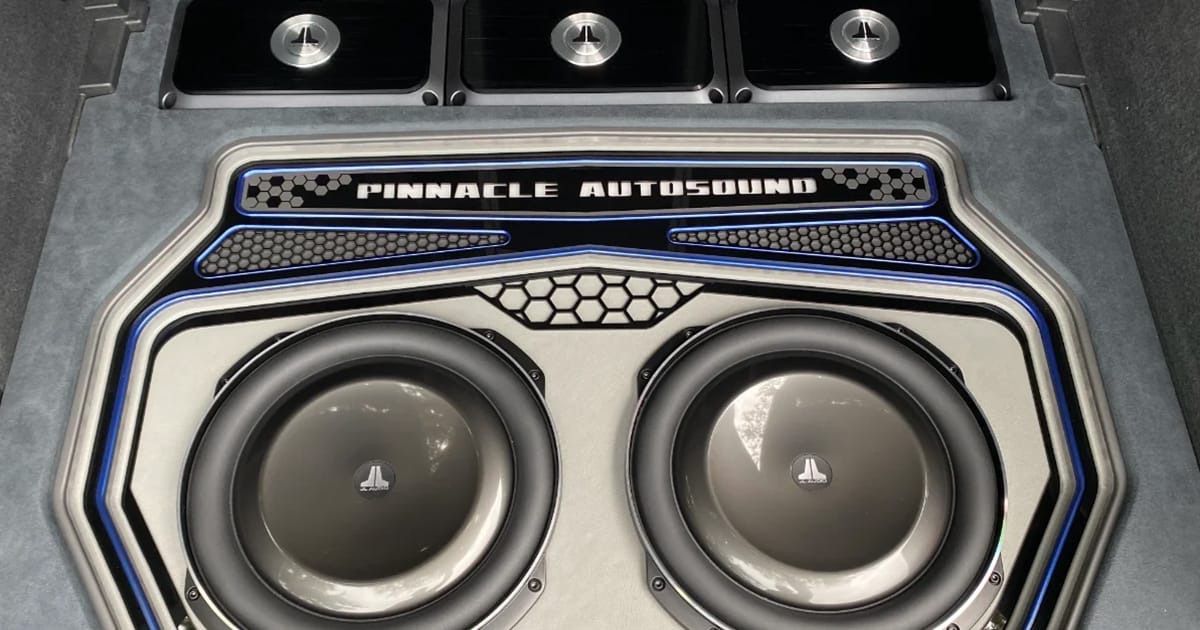
Select parts that match your music style and car size. Focus on speakers, amplifiers, and head units. Quality speakers deliver clear sound. Amplifiers power your system and control volume. The head unit is the control center. Think about adding a subwoofer for deeper bass. Pick brands known for reliability and good sound.
Setting A Budget
Decide how much money you want to spend. Keep in mind the cost of each component and installation. Include extra costs like wiring and mounting hardware. A budget helps you avoid overspending. It also guides your choice of parts. You can start small and upgrade later. Balance quality with what you can afford.
Designing The Layout
Plan where each component will go inside your car. Consider space and ease of access. Place speakers where sound spreads evenly. Keep amplifiers in cool, dry spots. Think about wiring paths to avoid damage. A good layout improves sound and keeps the system safe. Sketch your design to visualize the setup.
Credit: www.bestcaraudio.com
Installing The System
Installing your custom car audio system is where all your planning and shopping pay off. This phase demands care and attention because improper installation can lead to poor sound quality or even damage to your vehicle’s electronics. Taking your time and working systematically will save you from headaches later.
Wiring And Connections
Start with the wiring, as it’s the backbone of your system. Use quality wires that match the power requirements of your components to avoid voltage drops or overheating.
Keep your wire runs neat and secure using cable ties or clamps. This prevents rattling and accidental disconnections when driving.
Double-check polarity on all speaker wires—reversed connections can ruin your sound. Also, make sure all ground wires connect to clean, unpainted metal surfaces to maintain proper grounding.
Mounting Speakers And Amplifiers
Choose mounting locations that don’t obstruct your driving or damage your car’s interior. Doors and rear deck areas are common spots for speakers, while amplifiers usually go under seats or in the trunk.
Secure each component tightly but avoid overtightening screws, which can crack plastic or wood panels.
Think about ventilation for your amps. Amplifiers generate heat, so mounting them in a well-ventilated spot helps keep performance stable and extends their lifespan.
Ensuring Safety And Durability
Protect your system from moisture and dust by using weatherproof speaker grills and sealing any holes made during installation. Have you checked if your connections are insulated with heat shrink tubing or electrical tape?
Fuse your power lines close to the battery to prevent electrical fires. It’s a simple step many overlook but crucial for safety.
Finally, test your system incrementally. Power up each component one at a time and listen closely for any distortion, buzzing, or unusual noises. Catching issues early prevents bigger problems down the road.
Tuning And Testing
Tuning and testing your custom car audio system is essential for clear, balanced sound. This phase ensures every component works well together. Proper tuning improves audio quality and avoids damage to speakers or amplifiers.
It requires patience and careful listening. Small adjustments can make a big difference. Testing helps spot problems early and fix them fast.
Adjusting Sound Settings
Start by setting your equalizer to flat or neutral. This gives a true sound base. Adjust bass, midrange, and treble to match your music style and preference.
Use a test track with clear vocals and instruments. Listen for distortion or muddiness. Lower bass if speakers rattle. Raise treble if vocals sound dull.
Balance the fader and balance controls to center the sound inside the car. Avoid extremes that cause uneven sound.
Troubleshooting Common Issues
- Check all cable connections for tightness and no damage.
- Replace blown fuses or damaged wires immediately.
- Listen for unwanted noise like buzzing or humming; ground wires may need adjustment.
- Test each speaker individually to isolate problems.
- Check amplifier gain settings to avoid distortion or weak sound.
Optimizing For Best Performance
Use sound dampening materials inside doors and panels. This reduces road noise and improves clarity.
Position speakers for even sound coverage. Avoid blocking speakers with seats or objects.
Adjust crossover settings to send the right frequencies to each speaker type. This protects speakers and enhances sound.
Drive your car and listen in different environments. Make small tweaks to improve sound consistency.

Credit: www.youtube.com
Frequently Asked Questions
What Tools Are Needed For A Custom Car Audio System?
Basic tools include wire strippers, crimpers, screwdrivers, and a multimeter. A drill and panel removal tools help install speakers and components efficiently.
How Do I Choose The Right Speakers For My Car?
Consider speaker size, power handling, and sensitivity. Match speakers with your amplifier to ensure balanced, clear sound quality.
Can I Install A Custom Car Audio System Myself?
Yes, with basic electrical knowledge and patience, you can install it. Follow instructions carefully to avoid damaging components or wiring.
What Are The Best Amps For Car Audio Systems?
Look for amplifiers with clean power output and low distortion. Class D amps are efficient and ideal for custom installations.
Conclusion
Building a custom car audio system takes time and patience. Start with good parts and plan your setup well. Connect everything carefully for clear sound. Test the system to make sure it works right. Enjoy music that feels personal and powerful in your car.
Keep learning and improving your skills step by step. A great sound system makes every drive more fun and relaxing.