
Your car’s brakes are one of the most important safety features you have. But how often should you change your brakes to keep yourself and others safe on the road?
Ignoring worn-out brakes can lead to costly repairs and dangerous driving conditions. You’ll learn the key signs that tell you it’s time to replace your brakes and how to avoid unexpected brake failures. Keep reading to protect your car and your peace of mind.
Signs Your Brakes Need Replacement
Recognizing the signs that your brakes need replacement can save you from costly repairs and dangerous driving situations. Brakes don’t just wear out silently; they send clear signals when it’s time for attention. Paying close attention to these signs helps you act before your safety is at risk.
Squeaking And Grinding Noises
Have you ever noticed a high-pitched squeak when you press your brake pedal? That noise often means the brake pads are wearing thin. If the sound changes to a grinding noise, it’s a sign the pads are gone and the metal parts are rubbing together.
Ignoring these sounds can damage your rotors, leading to more expensive fixes. Next time you hear these noises, don’t just dismiss them—consider scheduling an inspection immediately.
Reduced Braking Performance
Do you feel like your car takes longer to stop than before? Reduced braking power is a clear indication your brakes are losing effectiveness. This can happen gradually, so it’s easy to overlook until it becomes dangerous.
Another warning is if your brake pedal feels soft or sinks to the floor when pressed. These changes can signal worn brake fluid or failing components. Have you checked your stopping distance recently? If it’s increased, it’s time for a brake check.
Brake Warning Lights
Your dashboard has a brake warning light for a reason. If it lights up, don’t ignore it or hope it will go away. This light can indicate low brake fluid, worn pads, or a problem with the braking system.
Sometimes the warning light appears alongside other symptoms like noises or reduced stopping power. If you see this light, take your car to a mechanic promptly to diagnose and fix the issue before it worsens.

Credit: simonsautorepairtaunton.com
Factors Affecting Brake Wear
Brake wear varies greatly depending on several key factors. Understanding these helps you know when to replace your brakes. Different elements impact how fast brake pads wear out. Some cause faster wear, while others slow it down. Recognizing these can save money and improve safety.
Driving Habits And Conditions
Frequent hard braking wears brakes faster. City driving with stop-and-go traffic causes more wear than highway driving. Driving on hills or rough roads increases brake use. Smooth, gentle braking extends brake life. Avoid riding the brakes downhill to reduce wear.
Type Of Brake Pads
Brake pads come in several materials: organic, semi-metallic, and ceramic. Organic pads wear faster but are quieter. Semi-metallic pads last longer but can be noisy. Ceramic pads last the longest and produce less dust. Choosing the right pad affects how often brakes need changing.
Vehicle Type And Usage
Heavier vehicles put more stress on brakes. Trucks and SUVs brake harder than small cars. Frequent towing or carrying heavy loads increases wear. Sports cars with powerful engines often need brake changes sooner. Regular driving versus aggressive driving also changes brake wear speed.
Recommended Brake Replacement Intervals
Knowing the right time to change your car’s brakes ensures safety and saves money. Brake pads wear down with use, and replacing them at the right moment prevents damage to other parts. Recommended brake replacement intervals vary depending on car type, driving habits, and brake material.
Checking these intervals helps keep your car in good condition. Here are key points about when to replace your brakes.
Manufacturer Guidelines
Car makers provide specific brake replacement schedules. These are found in the owner’s manual. They often suggest brake pad changes every 30,000 to 70,000 miles. This range depends on the vehicle model and brake type.
Following these guidelines keeps your warranty valid. It also ensures the brakes work as designed. Manufacturer advice is a good starting point for brake care.
Routine Inspections
Brake wear can vary with driving style and road conditions. Regular inspections help catch wear early. Check brake pads every 10,000 miles or at oil changes. Look for signs like thin pads or grinding noises.
Visual checks and simple tests can reveal brake health. Replacing pads before they wear too thin avoids costly repairs. Routine inspections keep brakes reliable and safe.
When To Consult A Mechanic
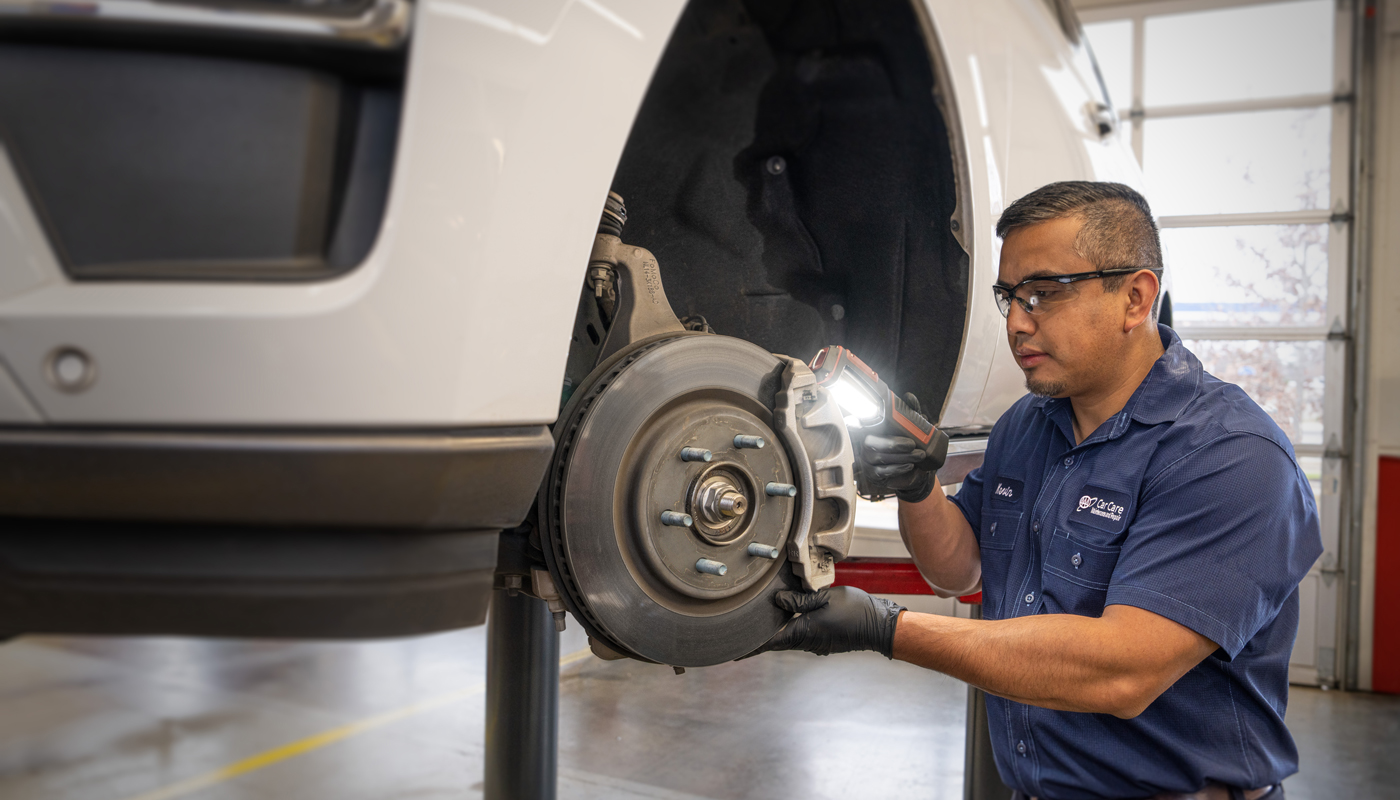
Certain symptoms require professional help. Squealing or grinding noises mean brake pads may be worn out. A soft or spongy brake pedal suggests air or fluid issues. Pulling to one side when braking signals uneven wear or damage.
Mechanics can measure brake thickness and assess brake system health. They recommend replacement based on condition, not just mileage. See a mechanic if you notice any brake problems or unusual sounds.
Credit: www.acg.aaa.com

Credit: simonsautorepairtaunton.com
Frequently Asked Questions
How Often Should Car Brakes Be Changed?
Car brakes typically need changing every 30,000 to 70,000 miles. This varies by driving habits and brake type. Regular inspections help determine the right time for replacement to ensure safety and optimal performance.
What Are Signs That Brakes Need Replacement?
Common signs include squealing noises, reduced braking power, and vibration when braking. If your brake pedal feels soft or the car pulls to one side, it’s time for a brake check.
Can Brake Pads Be Replaced Without Changing Rotors?
Yes, brake pads can be replaced separately. However, if rotors are worn or damaged, replacing them is recommended for safety and better braking performance.
How Does Driving Style Affect Brake Wear?
Aggressive driving, frequent hard braking, and city driving increase brake wear. Gentle braking and highway driving help extend brake lifespan, reducing the frequency of replacements.
Conclusion
Brake care matters for your safety and car’s health. Regular checks keep you aware of wear and tear. Listen for squeaks or grinding sounds. Watch for longer stopping distances. Replace brake pads every 30,000 to 70,000 miles, depending on use.
Don’t wait for a problem to get worse. Taking action early can save money and avoid accidents. Trust your instincts and check your brakes often. Stay safe on the road with good brake habits. Your car and your life depend on it.