
Changing a spark plug in your car might sound tricky, but it’s easier than you think. If your engine is running rough or your gas mileage is dropping, worn-out spark plugs could be the reason.
By learning how to replace them yourself, you can save money and keep your car running smoothly. In this guide, you’ll discover simple, step-by-step instructions that anyone can follow—even if you’re not a car expert. Ready to take control of your car’s performance?
Let’s get started.
Tools And Materials Needed
Before you dive into changing a spark plug, gathering the right tools and materials is essential. Having everything on hand not only saves time but also makes the process smoother and less frustrating.
Think about the last time you started a project without the proper tools—did it feel like a waste of effort? Avoid that by preparing thoroughly.
Spark Plug Socket
A spark plug socket is a must-have. It fits snugly around the spark plug, allowing you to remove and install it without damage.
Choose a socket with a rubber insert or magnetic feature to hold the plug securely. This small detail can prevent dropping or breaking the spark plug during the swap.
Ratchet Wrench
You’ll need a ratchet wrench to turn the spark plug socket. Make sure it fits the size of your socket.
Comfortable grip and smooth ratcheting action make this tool easier to use in tight engine spaces. Have an extension bar handy if your spark plugs sit deep in the engine.
Gap Gauge
Checking the spark plug gap is critical for engine performance. A gap gauge measures the distance between the electrodes on your spark plug.
Use a feeler gauge or a specialized spark plug gap tool to ensure the gap matches your vehicle’s specifications. Even a small mistake here can affect how your engine runs.
Anti-seize Compound
Applying a thin layer of anti-seize compound on the spark plug threads prevents them from sticking or seizing in the cylinder head.
This makes future removal easier and reduces the risk of damage. Be cautious not to over-apply, as too much can affect the plug’s performance.
Torque Wrench
Properly tightening the spark plug is just as important as removing it. A torque wrench lets you apply the exact amount of force recommended by your car’s manufacturer.
Over-tightening can strip threads, while under-tightening can cause poor engine performance. Using a torque wrench ensures you get it just right.
Replacement Spark Plugs
Of course, you’ll need new spark plugs that match your vehicle’s make and model. Check your owner’s manual or ask an auto parts store for the correct type.
Using the right spark plug ensures optimal engine efficiency and longevity. Don’t settle for cheaper or incompatible options—they often cost more in the long run.

Credit: www.youtube.com
Preparing The Vehicle
Preparing your vehicle correctly is important before changing a spark plug. This ensures safety and makes the process easier. Taking the right steps helps avoid damage to the engine or injury.
Start by parking your car on a flat surface. Engage the parking brake to keep the car steady. Turn off the engine and wait for it to cool down. Working on a hot engine can cause burns.
Gather Necessary Tools And Materials
Collect all tools before starting. You will need a spark plug socket, ratchet wrench, and a gap gauge. Keep a replacement spark plug and anti-seize lubricant handy. A clean rag and gloves are useful too.
Open The Hood And Locate The Spark Plugs
Release the hood latch inside the car. Lift the hood and secure it with the prop rod. Find the spark plug wires or ignition coils. They connect the spark plugs to the engine.
Disconnect The Battery
Open the battery cover if needed. Use a wrench to disconnect the negative terminal. This prevents electrical shocks and accidental starts. Keep the cable away from the battery to avoid contact.
Clean The Area Around The Spark Plugs
Use a brush or compressed air to remove dirt. Cleaning prevents debris from entering the engine. Wipe the area with a clean rag to ensure a clear workspace.
Removing The Old Spark Plug
Removing the old spark plug is a key part of changing it successfully. It requires care and the right tools to avoid damaging your engine. If you rush or force it, you might strip the threads or break the plug inside the cylinder head.
Locate The Spark Plug
First, open your car’s hood and find the spark plugs. They usually sit on the engine’s cylinder head and connect to thick wires or ignition coils. Sometimes, dirt or grease covers them, so cleaning the area gently helps prevent debris from falling into the engine.
Disconnect The Spark Plug Wire Or Coil
Before removing the plug, you need to disconnect the wire or coil. Pull the boot, not the wire itself, to avoid damage. If the wire feels stuck, wiggle it gently while pulling to loosen it without tearing.
Use The Correct Socket And Ratchet
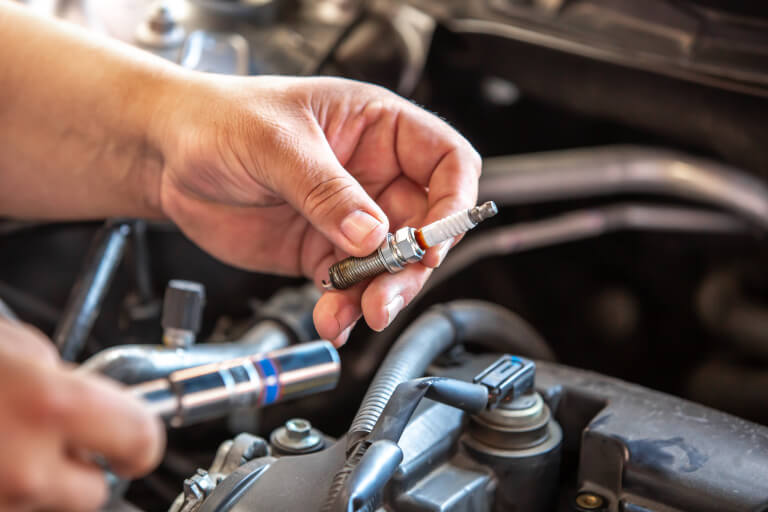
Use a spark plug socket that fits snugly around the plug. It usually has a rubber insert to grip the plug and protect it from cracking. Attach this socket to a ratchet or a breaker bar for leverage.
Loosen And Remove The Spark Plug
Turn the ratchet counterclockwise to loosen the plug. If it feels very tight, avoid using excessive force; try spraying a little penetrating oil and wait about 10 minutes. Once loose, carefully unscrew the plug by hand to avoid dropping it inside the engine.
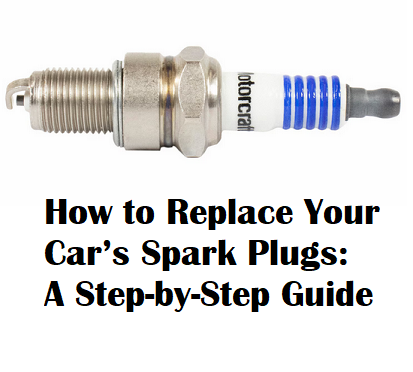
Inspect The Old Spark Plug
After removal, check the plug’s condition. Look for signs like black soot, oil deposits, or worn electrodes. These clues can tell you about your engine’s health and help diagnose issues beyond just replacing the plug.
Credit: beachautomotive.com
Installing The New Spark Plug
Installing the new spark plug is a crucial step that requires care and precision. It’s not just about screwing it in; you want to ensure the spark plug seats properly to avoid engine problems later. Let’s look at how to do this right so your car runs smoothly.
Check The Spark Plug Gap
Before you install the new spark plug, verify the gap between the electrodes using a gap gauge. Each car model has a specific gap size, usually found in your owner’s manual. A correct gap ensures efficient combustion and better engine performance.
Apply Anti-seize Compound
Put a small amount of anti-seize compound on the spark plug threads. This prevents the plug from sticking or seizing in the cylinder head over time. Be careful not to get any compound on the electrode or insulator, as that can affect performance.
Hand-tighten The Spark Plug
Start threading the spark plug into the cylinder by hand. This reduces the risk of cross-threading, which can damage the engine. If it doesn’t screw in smoothly, back it out and try again.
Use A Torque Wrench To Tighten
After hand-tightening, use a torque wrench to tighten the spark plug to the manufacturer’s recommended torque. Over-tightening can strip the threads or break the plug, while under-tightening can cause poor sealing. If you don’t have a torque wrench, tighten it snugly plus a quarter turn, but remember this is less precise.
Reconnect The Spark Plug Wire Or Coil
Once the spark plug is secured, reconnect the spark plug wire or coil pack. Ensure it clicks into place firmly. Loose connections can cause misfires and rough engine running.
Credit: www.blackcircles.com
Frequently Asked Questions
How Often Should I Change My Car’s Spark Plugs?
Most manufacturers recommend changing spark plugs every 30,000 to 100,000 miles. Check your owner’s manual for exact intervals. Regular changes improve engine performance and fuel efficiency.
What Tools Do I Need To Change Spark Plugs?
You need a spark plug socket, ratchet wrench, extension bar, gap gauge, and possibly a torque wrench. These tools help safely remove and install spark plugs.
Can I Change Spark Plugs Myself Safely?
Yes, with proper tools and instructions, you can safely change spark plugs. Ensure the engine is cool, and follow the steps carefully to avoid damage.
How Do I Check The Spark Plug Gap?
Use a gap gauge to measure the gap between electrodes. Adjust the gap by gently bending the side electrode to the correct specification.
Conclusion
Changing a spark plug can save you time and money. It keeps your car running smooth and strong. Use the right tools and follow each step carefully. Check each spark plug before installing a new one. Clean the area to avoid dirt getting inside.
Tighten the spark plug just enough to fit well. Regular maintenance helps your engine work better and last longer. Now, you have the skills to keep your car healthy. Simple tasks make a big difference in car care. Give your vehicle the attention it deserves.