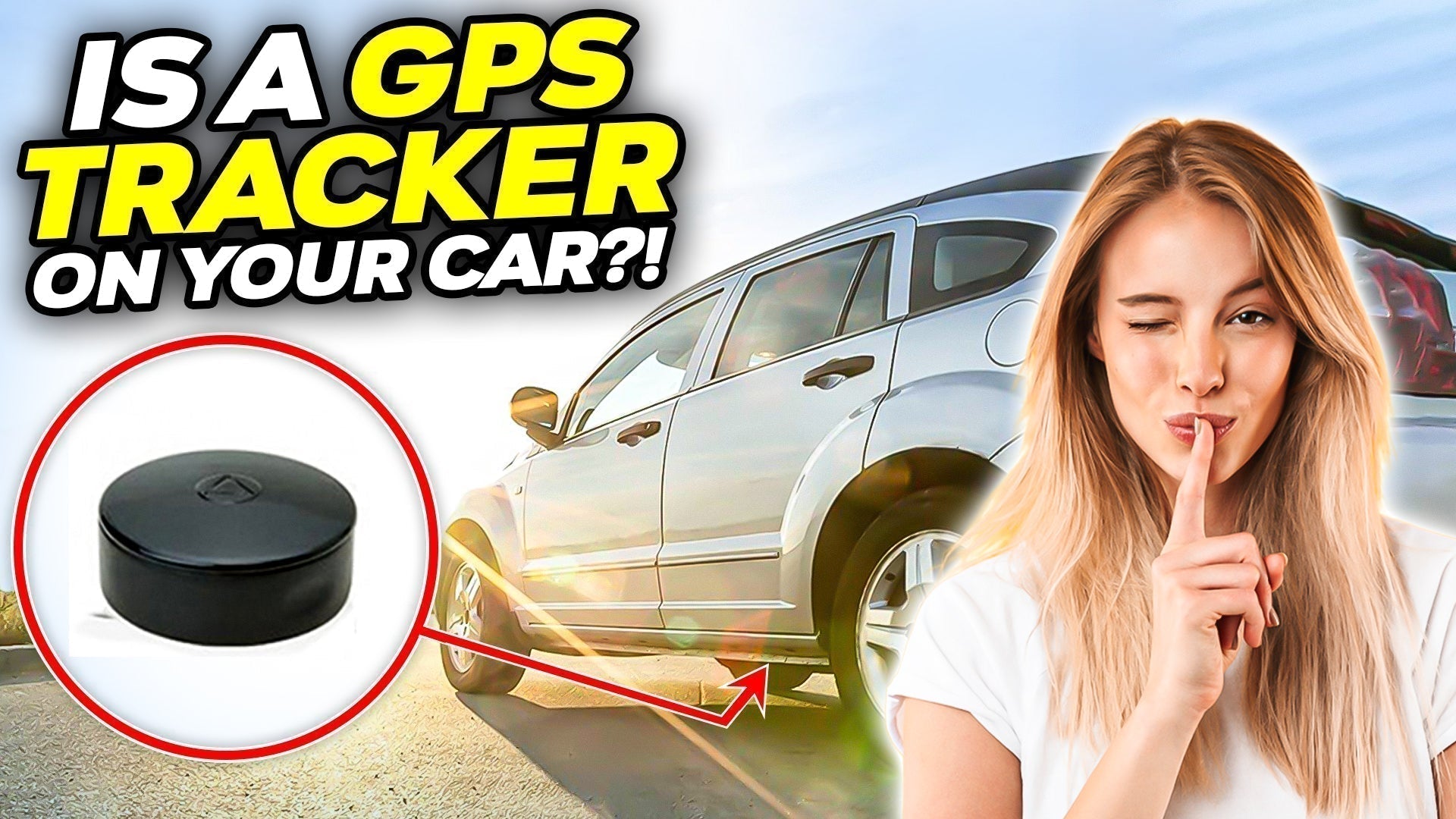
Have you ever wondered if someone is secretly tracking your car? Finding a GPS tracking device hidden in your vehicle might sound complicated, but it doesn’t have to be.
You deserve to feel safe and in control of your own car. You’ll learn simple and effective ways to detect any GPS tracker without needing special tools or skills. Keep reading, because taking a few easy steps now can protect your privacy and give you peace of mind.

Credit: blog.eyespysupply.com
Signs Of A Hidden Gps Tracker
Detecting a hidden GPS tracker on a car can be challenging. These devices are often small and cleverly placed. Knowing the common signs helps in spotting them quickly. Be alert to anything unusual around your vehicle. Pay attention to how your car’s electronics behave. Both clues can point to a hidden tracker.
Unusual Devices Around The Vehicle
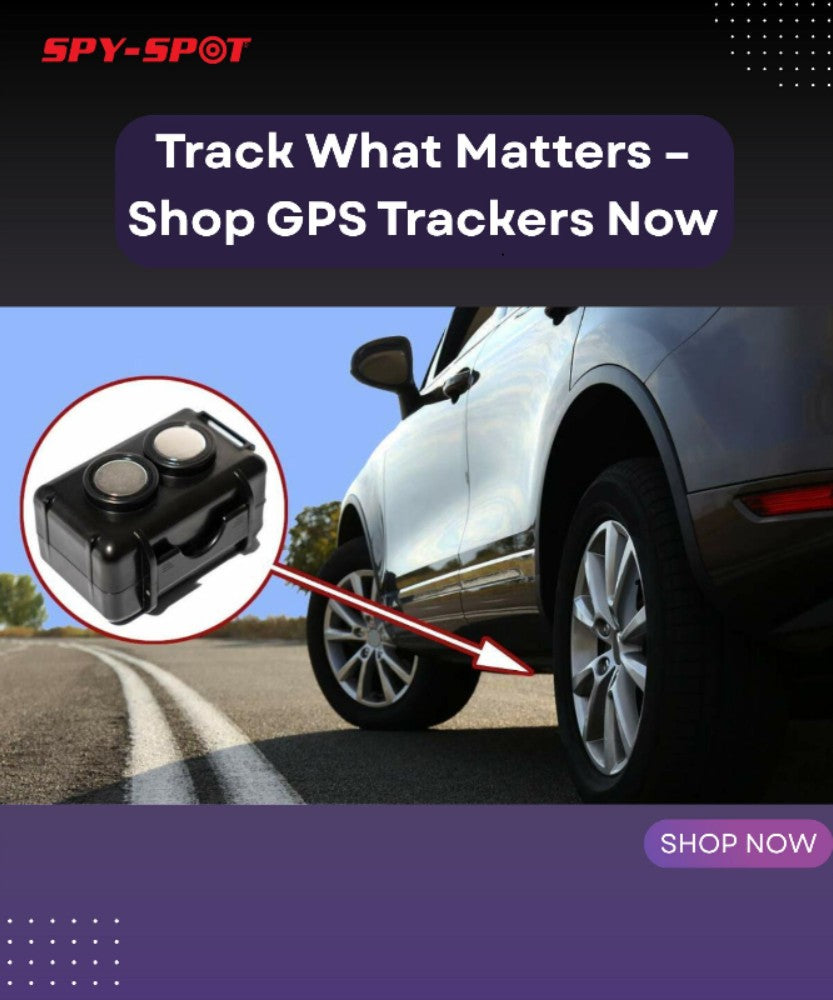
Check for small gadgets that do not belong. Look under the car, inside wheel wells, and behind bumpers. Trackers often attach magnetically or with tape. Strange wires or boxes can signal a device. Inspect the dashboard and glove compartment carefully. A new or unfamiliar object should raise suspicion.
Interference With Car Electronics
Hidden GPS trackers can cause glitches in your car’s electronics. Notice if the radio or speakers crackle without cause. The engine warning light may flicker on and off. Some trackers drain the battery faster than normal. Devices may interfere with remote key fobs or alarms. Such problems can indicate a tracker is installed.
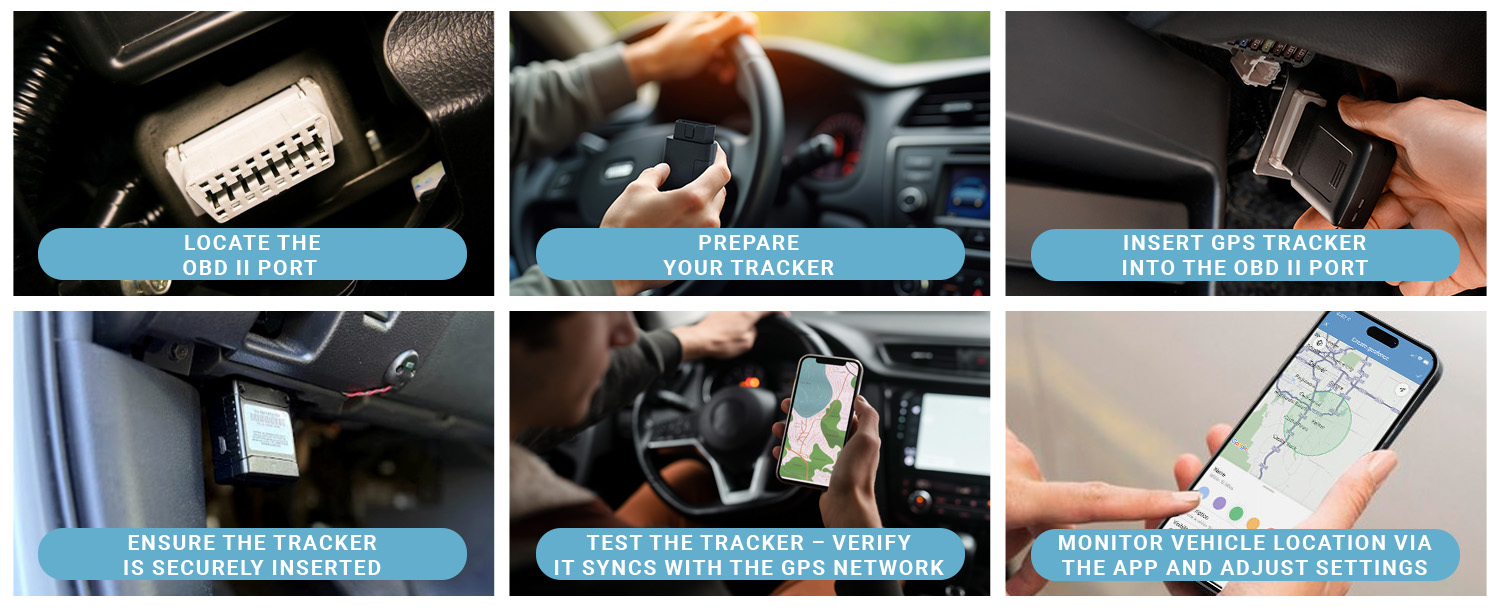
Credit: www.brickhousesecurity.com
Manual Inspection Techniques
Manual inspection is a hands-on approach to locating a GPS tracking device on your car. It requires patience and attention to detail but can be very effective. You’ll need to know where to look and how to spot something unusual among your vehicle’s many parts.
Checking Common Hiding Spots
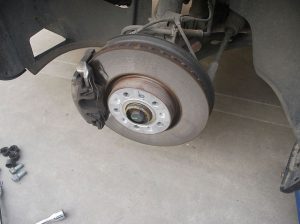
Start by examining areas where trackers are often hidden. These include under the dashboard, inside the glove compartment, beneath the seats, and around the wheel wells. Don’t overlook the underside of the car near the frame or inside the engine bay.
Look for small boxes or devices with wires connected to your car’s power system. A sudden change in the weight or an unfamiliar object tucked away can be a clue. Have you checked the spare tire compartment? Trackers sometimes hide there because it’s rarely disturbed.
Using A Flashlight For Detection
A flashlight is a simple but powerful tool for your search. Shine it into dark, tight spaces where a tracker might blend in. The beam can reveal tiny LED lights or reflective surfaces that your eyes might miss in normal lighting.
Slowly move the light around wiring harnesses and under panels, looking for anything out of place. Sometimes, a tracker’s casing will stand out because it’s made of plastic or metal unlike the surrounding car parts. Have you tried this in a quiet place at night? The contrast can make spotting devices much easier.
Electronic Tools For Detection
Electronic tools help detect hidden GPS trackers on vehicles. These tools scan for signals that trackers send. They give a quick way to find devices without dismantling the car. Using the right tool increases chances of spotting a tracker.
Some devices detect radio frequencies (RF), while others use apps to scan for suspicious signals. Both methods work well in different situations. Choosing the right tool depends on your comfort with technology and budget.
Gps Detector Devices
GPS detector devices search for signals from tracking units. These devices scan radio frequencies used by GPS trackers. They alert you with lights or sounds if a signal is found.
Most detectors cover common GPS tracker frequencies like 315 MHz, 433 MHz, and 2.4 GHz. Some models also detect Bluetooth and Wi-Fi signals. Small and portable, these gadgets fit in your hand and are easy to use.
Steps to use a GPS detector device:
- Turn on the device and walk around your car slowly.
- Check areas under the dashboard, seats, and bumpers.
- Listen or watch for alerts indicating a tracker signal.
- Mark the spot and inspect closely for a hidden tracker.
Smartphone Apps To Locate Trackers
Certain smartphone apps can scan for GPS trackers nearby. These apps use your phone’s Bluetooth and Wi-Fi sensors to find suspicious devices. Some apps also detect unusual signals in your car’s environment.
Most apps are free or low cost and easy to download. They provide real-time alerts and show the location of detected devices on a map.
To use a tracker detection app:
- Download a trusted app from your phone’s app store.
- Open the app and start scanning your vehicle area.
- Look for unknown devices or signals the app highlights.
- Investigate any alerts by physically checking the area.
Credit: spy-spot.com
Frequently Asked Questions
How Can I Detect A Gps Tracker On My Car?
Check for unfamiliar devices under the car, inside wheel wells, or beneath seats. Use a GPS detector or smartphone app to scan for signals. Regularly inspect your vehicle for any new or suspicious objects.
What Tools Help Find Gps Tracking Devices On Cars?
Use a GPS tracker detector or a radio frequency (RF) scanner. These devices help locate active trackers by detecting signal transmissions. A smartphone app with GPS scanning features can also assist in identifying trackers.
Where Do Thieves Hide Gps Tracking Devices On Vehicles?
Common spots include under bumpers, inside wheel wells, beneath car seats, and in the engine bay. Trackers may also be hidden inside the glove box or behind license plates. Always inspect these areas carefully.
Can I Remove A Gps Tracker From My Car Safely?
Yes, once located, you can unplug or unscrew the device. Be cautious to avoid damaging your vehicle’s wiring or electronics. If unsure, seek professional help to safely remove the tracker.
Conclusion
Finding a GPS tracking device on your car takes patience and care. Check common hiding spots like under the chassis or inside panels. Use a strong flashlight and a magnet detector to help. Stay calm and take your time during the search.
Knowing these steps keeps you in control of your privacy. Protect your car and your peace of mind. Keep these tips handy for future checks. Your safety matters most.