
Your car’s suspension system plays a crucial role in keeping your ride smooth and safe. But how do you know if it’s working properly?
If you ignore warning signs, you could face costly repairs or even dangerous driving conditions. You’ll learn simple and effective ways to check your car’s suspension system yourself. By the end, you’ll feel confident spotting issues early and keeping your vehicle in top shape.
Ready to protect your car and your safety? Let’s dive in.
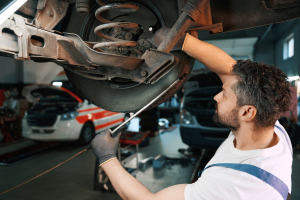
Credit: www.mbloveland.com
Signs Of Suspension Problems
Suspension problems affect your car’s safety and comfort. Early signs help you spot issues fast. Knowing these signs can prevent costly repairs and accidents.
Unusual Noises
Listen for strange sounds while driving. Clunking, knocking, or squeaking noises often come from worn suspension parts. These noises get louder on bumps or rough roads. They indicate loose or broken components needing attention.
Uneven Tire Wear
Check your tires regularly. Uneven wear patterns suggest suspension troubles. If tires wear more on one side or in patches, the suspension may not hold the car properly. This causes poor tire contact with the road, reducing safety and tire life.
Vehicle Handling Issues
Notice how your car drives. Pulling to one side, excessive bouncing, or swaying can signal suspension faults. Poor handling makes driving unsafe, especially at high speeds or on curves. Suspension problems reduce control and increase accident risk.
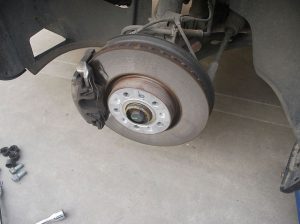
Credit: motorist.org
Basic Suspension Inspection Steps
Checking your car’s suspension system doesn’t have to be complicated. With some basic steps, you can quickly spot issues before they turn into costly repairs. These inspections help you maintain a smooth ride and keep your vehicle safe on the road.
Visual Check For Damage
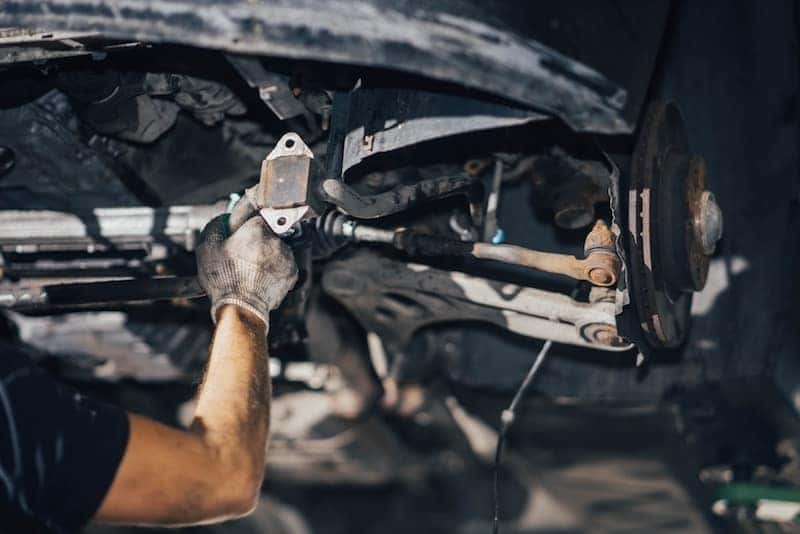
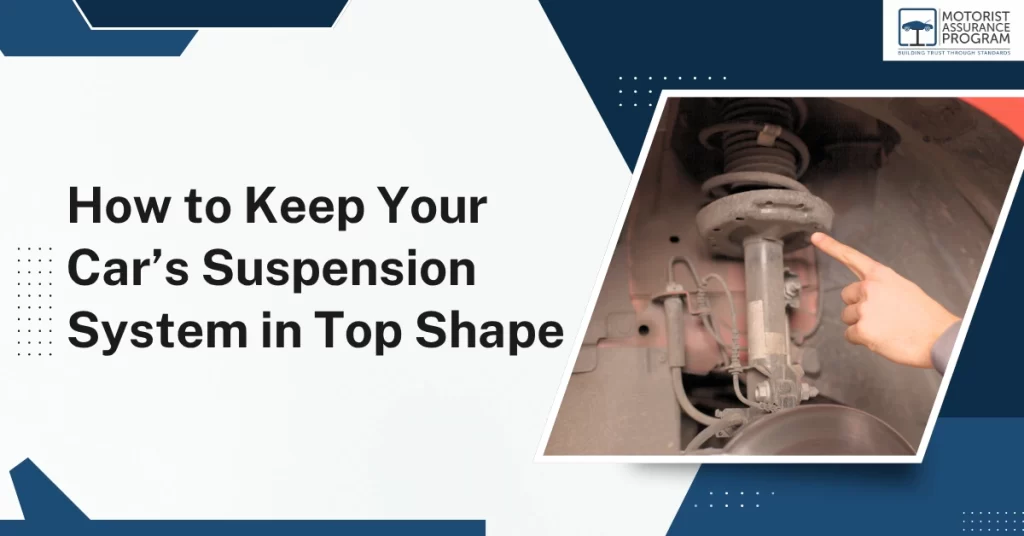
Start by closely examining the suspension components for any visible signs of damage. Look for cracks, rust, or broken parts on springs, shocks, and control arms. Don’t forget to check for fluid leaks around the shock absorbers, as this can indicate worn seals.
Have you ever noticed uneven tire wear? That often points to suspension problems. Spotting damage early can save you from bigger headaches down the line.
Bounce Test For Shock Absorbers
Push down firmly on one corner of your car and then release. If the vehicle bounces more than twice, it’s a sign that your shock absorbers might be worn out. This simple test gives you a quick idea of how well the shocks are controlling your car’s movements.
Try this on all four corners to compare results. Uneven bouncing could mean only some shocks need attention, which helps you plan repairs more precisely.
Checking Suspension Components
Inspect parts like ball joints, bushings, and tie rods for looseness or wear. Grab each component and gently wiggle it; excessive play often means worn parts. You can also listen for unusual noises when turning the steering wheel or driving over bumps.
Don’t overlook the importance of tight, secure components. Loose suspension parts can affect your car’s handling and safety—are you confident your suspension feels solid?
When To Seek Professional Help
Knowing when to seek professional help for your car suspension system can save you time, money, and stress. Suspension problems often start small but can quickly escalate into serious safety hazards if ignored. Understanding the signs that require expert attention will help you keep your vehicle in top shape.
Persistent Symptoms
If you notice issues like constant bouncing, unusual noises, or uneven tire wear that don’t improve after basic checks, it’s time to call a professional. These persistent symptoms often indicate deeper problems that simple DIY fixes can’t resolve.
For example, a clunking sound every time you hit a bump might seem minor but could signal worn-out shocks or struts. Ignoring these signs may lead to further damage and costly repairs down the road.
Complex Repairs
Suspension repairs can involve many components like springs, control arms, and bushings, which require specialized tools and knowledge to fix properly. If your inspection reveals damaged parts or leaks, attempting repairs on your own might do more harm than good.
Consider the last time you tried fixing a suspension issue yourself—did it feel overwhelming or unsafe? Professional mechanics have the experience to diagnose complex problems accurately and restore your vehicle’s handling efficiently.
Regular Maintenance Tips
Even if your suspension feels fine, regular maintenance can prevent future problems. Schedule routine inspections every 12,000 miles or once a year, whichever comes first.
- Check tire pressure and alignment regularly.
- Look for signs of fluid leaks around shocks and struts.
- Listen for unusual noises during your drives.
By staying proactive, you avoid sudden breakdowns and maintain smoother rides. Have you checked your suspension system this year?
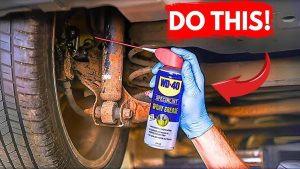
Credit: www.youtube.com
Frequently Asked Questions
How Do I Know If My Car Suspension Is Bad?
Signs include uneven tire wear, bouncing, and poor handling. Listen for noises when driving over bumps. These symptoms often indicate suspension issues needing inspection or repair.
What Tools Do I Need To Check Suspension?
You need a jack, jack stands, a flashlight, and a pry bar. These tools help you safely inspect shocks, struts, and other suspension parts for damage or wear.
How Often Should I Inspect My Car Suspension?
Inspect your suspension every 12,000 miles or once a year. Regular checks help spot problems early and maintain smooth, safe driving performance.
Can I Check Suspension Without Professional Help?
Yes, basic checks like bounce tests and visual inspections are easy. However, for complex issues, a professional mechanic’s evaluation is recommended.
Conclusion
Checking your car’s suspension helps keep rides smooth and safe. Watch for unusual noises or uneven tire wear. Press down on each corner to test bounce. Look for leaks around shocks or struts. Regular checks prevent costly repairs later. Knowing simple signs saves time and money.
Stay alert and act quickly if problems appear. Your car will handle better and last longer. Taking care of suspension is smart car care. Easy steps make a big difference on the road.