
Are you tired of struggling with dim car headlights on dark roads? Imagine driving with brighter, clearer lights that make every journey safer and more comfortable.
You might be wondering, can you change your normal car headlights to LED? The answer is yes—and it’s easier than you think. You’ll discover how switching to LED headlights can improve your night driving experience, what you need to know before making the change, and simple steps to upgrade your car’s lighting.
Keep reading to find out how you can light up the road ahead like never before.
Benefits Of Led Headlights
LED headlights offer several key benefits over traditional car lights. They improve driving safety and reduce energy use. These advantages make LED headlights a smart choice for many drivers.
Improved Brightness And Visibility
LED headlights shine brighter than normal headlights. They produce a clear white light that helps you see the road better. This improves night driving and spotting obstacles. The focused beam reduces glare for other drivers.
Energy Efficiency
LEDs use less power than traditional bulbs. This lowers the load on your car’s battery and alternator. Less energy use means your vehicle runs more efficiently. It also helps reduce fuel consumption in some cases.
Longer Lifespan
LED headlights last much longer than regular bulbs. They can work for tens of thousands of hours. This means fewer replacements and less maintenance. Longer lifespan saves money and hassle over time.
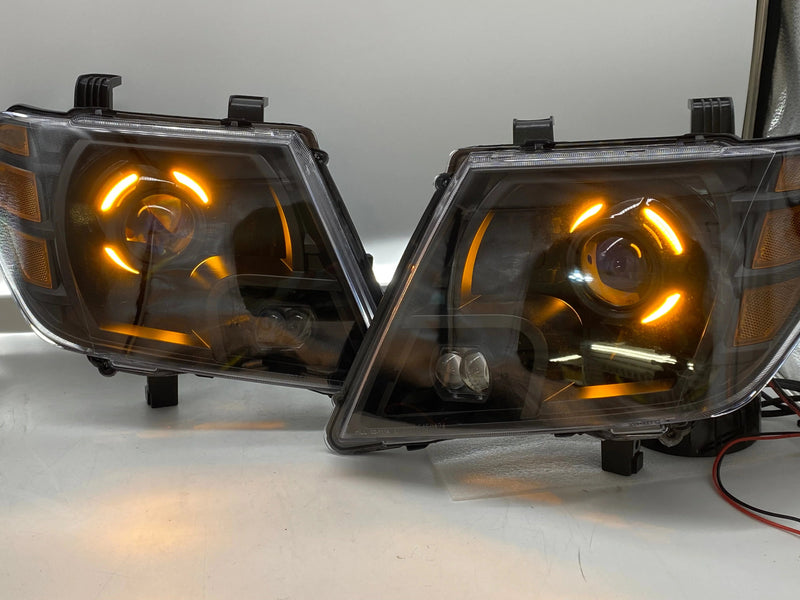
Credit: www.hidprojectors.com
Steps To Upgrade To Led Headlights
Upgrading your car’s headlights to LED can improve visibility and save energy. The process is simple when you follow clear steps. This guide breaks down the upgrade into easy parts. Understanding these steps helps you do the upgrade confidently.
Choosing The Right Led Kit
Select an LED kit made for your car model. Check the size and type of your current bulbs. Choose kits with good brightness and color temperature. Look for kits with cooling fans or heat sinks for longer life. Avoid very cheap kits; they may not last or fit well.
Tools And Materials Needed
- LED headlight kit
- Screwdrivers (Phillips and flathead)
- Gloves to protect bulbs and hands
- Socket wrench set
- Electrical tape
- Owner’s manual for your car
- Microfiber cloth for cleaning
Installation Process
Start by turning off the car and removing the keys. Open the hood and find the headlight housing. Remove the cover or screws that hold the old bulb. Gently pull out the old bulb without touching the glass. Insert the new LED bulb carefully into the socket. Connect the LED wiring harness to your car’s power supply. Secure all connections with electrical tape if needed. Replace the cover or screws on the headlight housing. Test the headlights by turning them on. Adjust the angle of the lights for proper road coverage. Clean the headlight lens with a microfiber cloth. Close the hood and check your work.
Common Issues And Solutions
Switching your car’s standard headlights to LED can offer brighter, more efficient lighting, but the process isn’t always straightforward. You might run into some common issues that could affect performance and safety. Understanding these challenges and knowing how to fix them will help you make a smooth transition to LED headlights.
Compatibility Problems
Not all vehicles are designed to work seamlessly with LED headlights. Some cars have electrical systems calibrated for halogen bulbs, which means LED bulbs might cause flickering or error warnings on your dashboard.
To solve this, you can use LED-specific adapters or decoders that stabilize the electrical flow. Checking your car’s manual or consulting with a professional can save you time and frustration. Have you ever installed new bulbs only to find your car’s system rejecting them?
Glare And Alignment
LED lights are much brighter, but that brightness can create glare for other drivers if the beam isn’t aligned properly. This not only poses a safety risk but could also lead to fines in some areas.
Adjusting your headlights after installation is crucial. Use a level surface and follow your vehicle’s guidelines for headlight height. You might need to visit a mechanic or use a headlight aiming tool to get it just right.
Legal Considerations
Each region has its own rules about the types of headlights allowed on the road. Some places prohibit LED conversions if the original headlights were halogen or sealed beam.
Before making the switch, check your local vehicle regulations. You don’t want your new LED headlights to be illegal or cause trouble during inspections. Have you checked if your upgrade complies with your area’s laws?

Credit: www.carparts.com

Credit: www.carifex.com
Frequently Asked Questions
Can I Replace Normal Headlights With Led Bulbs?
Yes, you can replace normal headlights with LED bulbs. Ensure compatibility with your car model. LED bulbs offer brighter light and consume less power.
Are Led Headlights Better Than Normal Ones?
LED headlights are more energy-efficient and last longer. They produce brighter and clearer light, improving nighttime visibility and safety compared to normal headlights.
Will Changing To Led Headlights Affect My Car Warranty?
Changing to LED headlights may affect your car warranty. Check your vehicle’s warranty terms before modification. Some manufacturers may void coverage for aftermarket changes.
Do Led Headlight Conversions Require Professional Installation?
Professional installation is recommended for LED headlight conversions. Proper alignment and wiring are crucial for optimal performance and to avoid electrical issues.
Conclusion
Changing normal car headlights to LED can improve visibility and safety. LEDs use less energy and last longer than regular bulbs. Installation is simple but may need some adjustments. Always check your car’s compatibility before making the switch. Proper headlights help you see better at night.
Choose quality LED bulbs for the best results. This upgrade can make your driving experience brighter and safer. Consider your budget and preferences before deciding. LEDs offer a smart option for many drivers today.