
Have you ever found yourself staring at a flooded road, wondering if driving through that water will harm your car? You’re not alone.
Water on the road can be tricky, and the last thing you want is to damage your vehicle or get stuck in a dangerous situation. But how much water is too much? Will your car be okay after driving through it?
You’ll discover what really happens when your car meets water, what risks you should watch out for, and simple steps you can take to protect your vehicle. Keep reading—your car’s safety might depend on it.
Credit: www.club4x4.com.au
Risks Of Driving Through Water
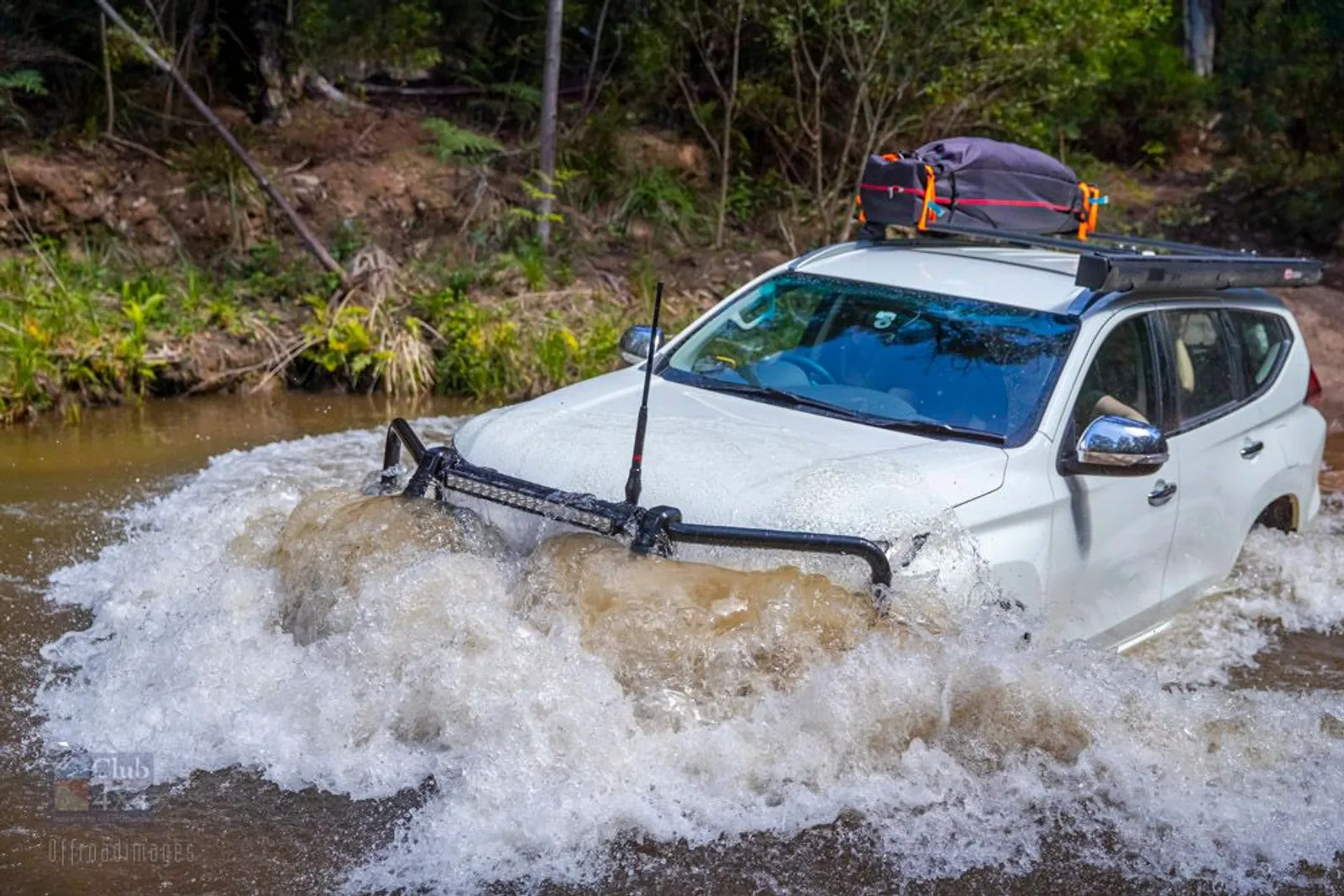
Driving through water might seem harmless if the water looks shallow, but it carries hidden risks that could cost you dearly. Even a small amount of water can cause serious damage to your car and put your safety in jeopardy. Understanding these risks can help you make better decisions next time you face a flooded road.
Common Vehicle Damage
Water can sneak into places it shouldn’t, damaging vital parts of your vehicle. The engine is especially vulnerable; if water enters the air intake, it can cause hydro-lock, which may lead to costly repairs or even engine failure.
Your brakes can also lose effectiveness when wet, increasing stopping distances and reducing control. Electrical components, like sensors and wiring, might short-circuit or corrode, triggering warning lights and malfunctions.
Have you ever noticed a strange smell or strange noises after driving through water? That often signals water trapped in the exhaust or interior, leading to mold or rust if not addressed quickly.
Safety Hazards
Water on the road can hide hazards such as potholes, debris, or uneven surfaces that can cause accidents. Your tires may lose grip, causing hydroplaning and loss of control.
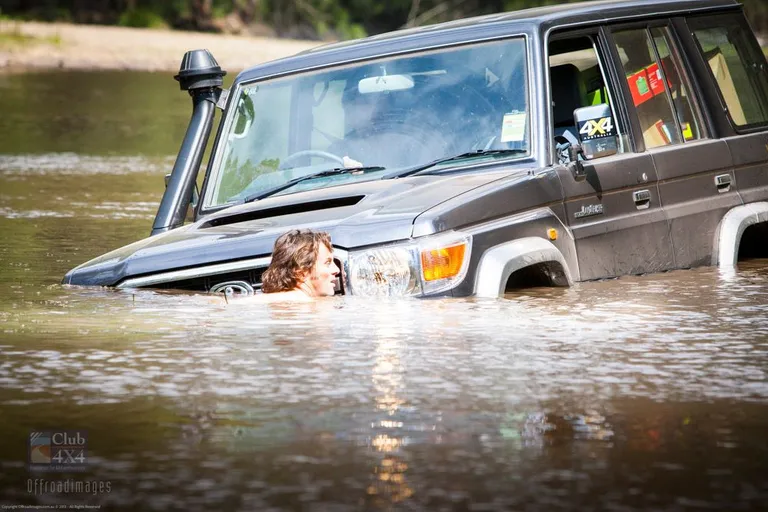
Many drivers underestimate the force of moving water. Even a few inches of flowing water can sweep your vehicle off the road, risking injury or worse. Are you confident your vehicle and your skills can handle unexpected water depths?
Visibility also drops dramatically in water, making it harder to judge distances and spot obstacles. Always assess the situation carefully before attempting to cross flooded areas; your safety depends on it.
Immediate Steps After Water Exposure
Driving through water can be risky for your car, but what really matters is what you do right after. Acting quickly can help prevent serious damage and costly repairs. Let’s look at some immediate steps you should take to check your vehicle’s condition and keep it running smoothly.
Checking The Engine And Fluids
Start by inspecting the engine area carefully. Open the hood and look for any signs of water inside the engine compartment. Water mixed with oil or coolant can cause major engine problems.
Check the oil dipstick—if the oil looks milky or diluted, water has entered the engine oil. This means you should avoid starting the car again and have it towed to a mechanic. Also, examine the transmission fluid and brake fluid levels for contamination.
Have you ever noticed a strange smell or unusual engine noises after driving through a puddle? These can be warning signs that water has affected your engine internally. Don’t ignore them.
Inspecting Electrical Components
Electrical systems are very sensitive to water damage. Start by checking the battery terminals for corrosion or wetness. Even a small amount of moisture can cause electrical shorts or failures.
Look under the dashboard and around the fuse box for dampness. If water has reached these areas, your car may experience issues with lights, sensors, or the ignition system.
Consider how your car’s electronics behaved after water exposure. Did your dashboard lights flicker or did the radio stop working suddenly? These are clues that your electrical components might need professional attention.
Preventive Measures For Future Trips
Driving through water can be risky, but you can take steps to protect your car on future trips. Being cautious and prepared helps you avoid costly repairs and keeps your vehicle running smoothly. Think about what you can do now to reduce the chance of water damage the next time you hit the road.
Avoiding Waterlogged Roads
Choosing your route wisely is one of the simplest ways to prevent water damage. Check weather reports and traffic updates before you leave, especially during heavy rains or flooding. If you spot flooded streets ahead, find an alternate path or wait it out.
Pay attention to water depth signs and barriers. Even shallow-looking water can hide deep potholes or strong currents that can stall your engine. Ask yourself: is this water level really safe for my car?
Remember, driving through water isn’t worth the risk if you’re unsure about the depth. Sometimes, a small delay can save you from major headaches later.
Regular Vehicle Maintenance
Keeping your car in top shape reduces the chances of water causing serious damage. Regularly check seals around doors and windows to prevent leaks. If water seeps inside, it can damage electronics and cause rust.
Inspect your brakes and tires often. Wet brakes might not work well if they’re already worn out, and good tire tread helps maintain grip on slippery roads. Change your engine oil and air filters on schedule, as contaminated fluids can worsen after exposure to water.
Have you ever delayed maintenance and then paid for it with expensive repairs? Staying on top of these basics protects your car and your wallet.

Credit: www.greasemonkeydirect.com
Credit: www.club4x4.com.au
Frequently Asked Questions
Can Driving Through Water Damage My Car’s Engine?
Yes, water can enter the engine through the air intake. This causes hydro-lock, severely damaging engine components. Immediate inspection is essential to prevent costly repairs.
How To Check If My Car Is Safe After Water Exposure?
Check the oil and transmission fluid for water contamination. Look for unusual noises or performance issues. Have a mechanic inspect the brakes and electrical systems promptly.
Will Water Affect My Car’s Electrical System?
Yes, water can cause short circuits or corrosion in wiring. This may lead to malfunctioning lights, sensors, or starting issues. Dry and inspect electrical parts as soon as possible.
Is It Safe To Drive Immediately After Water Contact?
No, driving immediately can worsen damage if water is trapped. Let the car dry and perform necessary checks before driving. Consult a professional if unsure about safety.
Conclusion
Driving through water can be risky for your car. Water can damage the engine, brakes, and electrical parts. Check your car right after crossing water. Listen for strange sounds and watch for warning lights. Dry the brakes by driving slowly and pressing them lightly.
If you notice problems, visit a mechanic quickly. Regular maintenance helps avoid big issues later. Stay safe and take care of your car after water exposure. Small actions can prevent costly repairs down the road. Your car can stay okay with proper care.