
Have you noticed those annoying scratches on your car and wondered if you could fix them yourself? You’re not alone.
Scratches can make your car look older and less cared for, but the good news is, you don’t have to spend a fortune at the body shop to make them disappear. You’ll learn simple, effective ways to polish out scratches on your car and restore that smooth, shiny finish you love.
Keep reading, and you’ll discover easy steps that anyone can follow to bring back your car’s flawless look.
Identify Scratch Types
Understanding the type of scratch on your car helps in choosing the right polishing method. Scratches differ in depth and damage. Knowing these details saves time and effort. It also protects your car’s paint from further harm.
Surface Scratches
Surface scratches are light marks on the clear coat of your car’s paint. They usually do not penetrate the paint layer. These scratches often appear as fine lines or swirl marks. You can feel them slightly with your fingernail. Surface scratches can often be polished out easily.
Deeper Scratches
Deeper scratches reach past the clear coat and paint layers. Sometimes, they expose the primer or even metal underneath. These scratches feel rough and can catch your nail firmly. Deeper scratches need more attention than surface ones. Polishing alone may not fully fix them.
Paint Transfer Marks
Paint transfer marks happen when your car gets rubbed by another object. The other object’s paint sticks to your car’s surface. These marks look like different colored streaks or blobs. They are not actual scratches but can look like damage. Cleaning and gentle polishing can usually remove these marks.

Credit: www.youtube.com
Gather Essential Tools
Gathering the right tools is the first step to polishing out scratches on your car. Using proper equipment makes the job easier and improves results. Having everything ready saves time and prevents frustration.
Each tool plays a key role in restoring your car’s paintwork. Understand what you need and why before starting the process.
Polishing Compounds
Polishing compounds remove scratches and smooth the paint surface. They come in different levels of abrasiveness.
- Choose a compound suited for your scratch depth.
- Use a mild compound for light scratches and a stronger one for deeper marks.
- Check that the compound is safe for your car’s paint type.
Microfiber Cloths
Microfiber cloths are soft and gentle on paint. They help apply compounds and buff the surface without causing damage.
- Use clean, high-quality cloths to avoid adding new scratches.
- Keep several cloths on hand for different stages of polishing.
- Wash cloths regularly to maintain their softness.
Buffer Machines
Buffer machines speed up polishing and provide consistent pressure. They make the job less tiring and more effective.
- Choose a buffer with variable speed settings.
- Use foam or wool pads designed for polishing.
- Practice on a small area before polishing the entire scratch.
Step-by-step Polishing Process
Polishing out scratches on your car can bring back its shine and make it look almost new again. The process is simple but requires careful attention to detail. By following these clear, practical steps, you can handle minor scratches without spending a fortune at the shop.
Clean The Area
Start by washing the scratched area thoroughly with soap and water. Dirt and debris can cause more scratches during polishing, so make sure the surface is spotless. Dry the area completely with a soft cloth before moving on.
Apply Polishing Compound
Choose a polishing compound suitable for your car’s paint type. Apply a small amount directly onto the scratch or a clean microfiber cloth. Spread the compound evenly with gentle pressure, covering the scratch and some of the surrounding paint.
Buff The Scratch
Using a clean, soft buffing pad or cloth, rub the compound into the scratch using circular motions. Keep the pressure firm but controlled to avoid damaging the paint. This step requires patience—buff for a few minutes, then pause to check your progress.
Wipe And Inspect
After buffing, wipe away any excess compound with a clean microfiber cloth. Inspect the area under good lighting to see if the scratch has diminished or disappeared. If the scratch is still visible, repeat the polishing and buffing steps until you achieve the desired result.
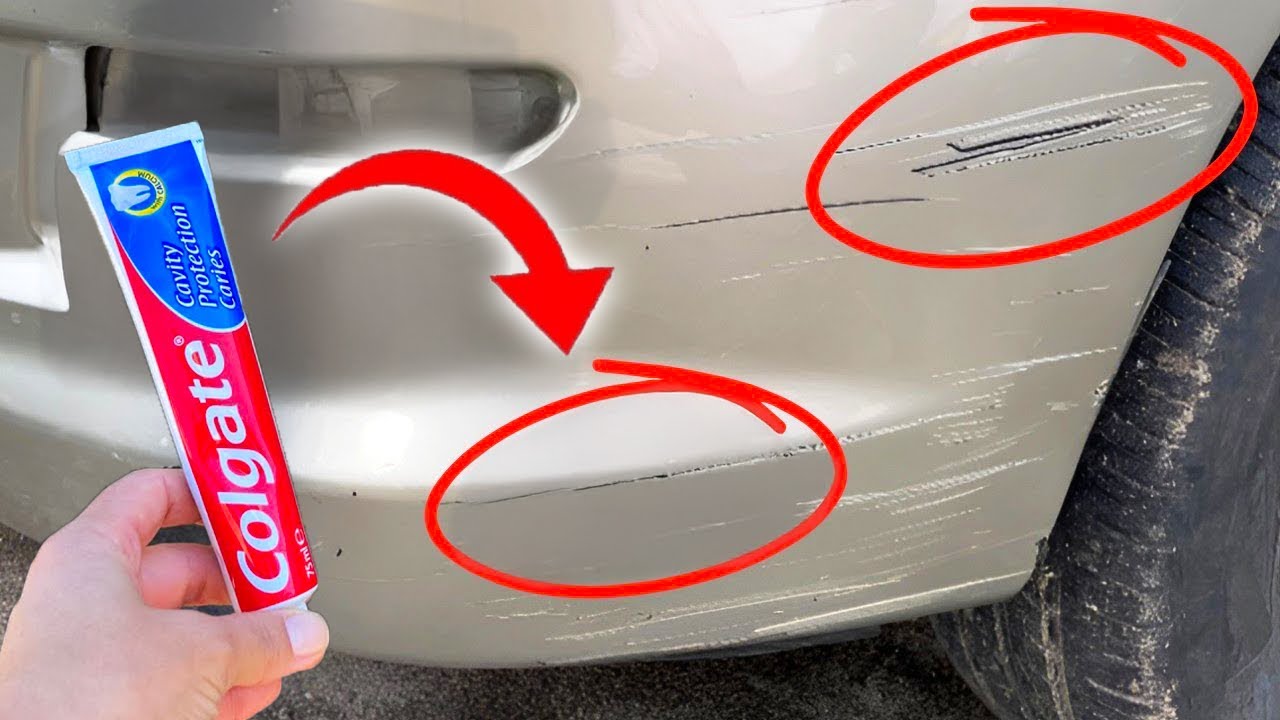
Credit: www.youtube.com
Maintain A Lasting Shine
Maintaining a lasting shine on your car after polishing out scratches is just as important as the polishing process itself. Without proper care, your hard work can quickly fade, leaving your vehicle looking dull again. Simple daily habits and protective measures can keep your car’s finish vibrant and glossy for months.
Regular Washing
Washing your car regularly removes dirt and grime that can wear down the polished surface. Use a gentle car shampoo and soft microfiber cloths to avoid introducing new scratches. Have you noticed how skipping washes makes your car look duller? That’s because contaminants build up and degrade the shine.
Try to wash your car at least once every two weeks. Focus on rinsing off road salt, bird droppings, and bug splatter quickly since these can damage the paint. A clean surface helps maintain the smoothness you achieved with polishing.
Wax Protection
Applying wax creates a protective barrier over your car’s paint, locking in the shine and guarding against environmental damage. Use a high-quality carnauba or synthetic wax for the best results. It’s like sunscreen for your car—without it, the paint can fade faster under UV rays.
Wax your car every 3 to 4 months, or more often if you park outside. You’ll notice water beading up on the surface, which means the wax is working. Have you tried comparing a waxed panel to an unwaxed one? The difference in gloss and depth is striking.
Avoiding Harsh Conditions
Exposure to extreme weather conditions can quickly wear down your polished finish. Try to park in shaded or covered areas to protect your car from intense sunlight and rain. If you can’t, a car cover can help shield your paint.
Also, avoid parking under trees where sap and bird droppings can cause stains and etchings. Have you ever seen white spots on your car after a rainstorm? Those are mineral deposits that can dull your shine if not cleaned promptly.
Taking small steps to protect your car from these harsh elements will extend the life of your polish and keep your vehicle looking showroom fresh.

Credit: www.youtube.com
Frequently Asked Questions
How Do I Polish Out Minor Car Scratches?
To polish out minor scratches, use a fine polishing compound and a microfiber cloth. Apply gently in circular motions. Repeat until scratches fade. Finish with a wax coat to protect the surface and restore shine.
What Tools Are Needed To Polish Car Scratches?
You need a polishing compound, microfiber cloth, foam applicator pad, and car wax. Optional tools include a dual-action polisher for easier application. Always use clean, soft materials to avoid further damage.
Can Polishing Remove Deep Scratches On Cars?
Polishing can reduce light scratches but won’t remove deep ones. Deep scratches may require professional repair or touch-up paint. Polishing helps improve appearance but doesn’t fix structural damage.
How Often Should I Polish My Car To Remove Scratches?
Polishing is recommended every 3-6 months to maintain paint condition and remove light scratches. Avoid over-polishing, as it can wear down the paint over time. Regular waxing helps protect the finish between polishes.
Conclusion
Polishing out scratches on your car can bring back its shine. Small scratches often disappear with simple steps and the right tools. Take your time and be gentle to avoid more damage. Regular care helps keep your car looking fresh and new.
Remember, patience and practice improve your results. Your car will thank you with a smoother, cleaner finish. Try these tips and enjoy a better-looking ride every day.