
Are you sure you’re getting the most out of your car tires? How often you rotate them can make a huge difference in your safety, your ride quality, and even your wallet.
If you’ve ever wondered whether you should wait until the tread looks worn or stick to a schedule, this guide is for you. Keep reading to discover the simple steps you can take to extend the life of your tires and keep your car running smoothly.
Don’t miss out on these easy tips that could save you money and hassle down the road!
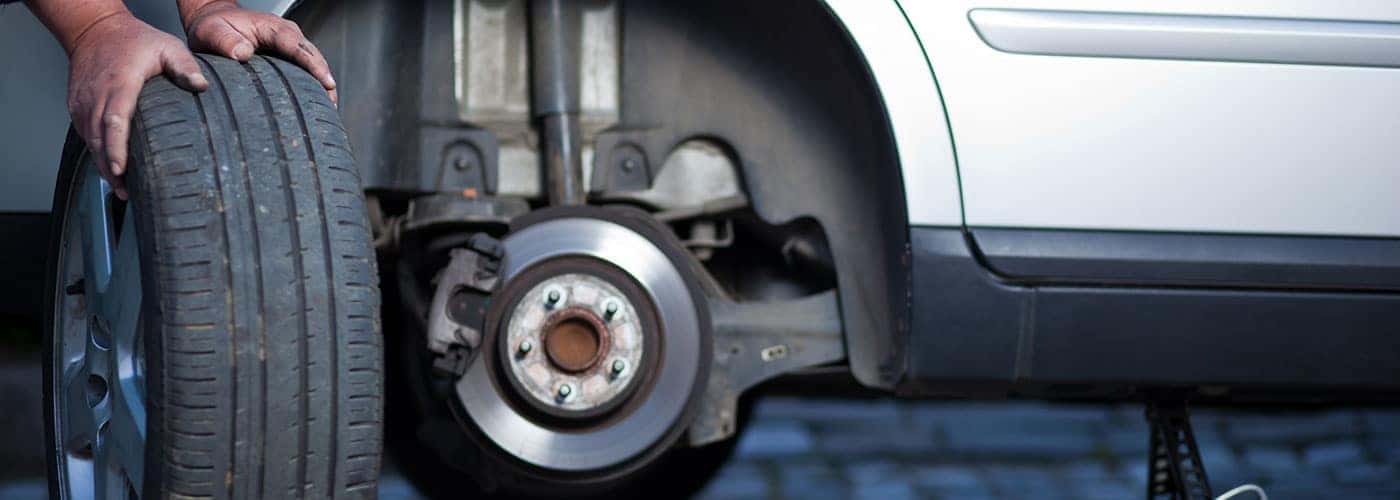
Credit: www.planethyundai.com
Signs You Need Tire Rotation
Knowing the signs that indicate tire rotation is necessary can save money and improve safety. Tires wear unevenly due to road conditions, driving habits, and vehicle design. Catching these signs early helps maintain tire life and car performance.
Uneven Tire Wear
Check your tires regularly for uneven wear patterns. Look for:
- More wear on one side of the tire
- Bald spots or thin tread in certain areas
- Front tires wearing faster than rear tires
Uneven wear means your tires are not rotating properly. Rotation helps even out wear and extends tire life.
Handling Issues
Notice any changes in how your car drives? Signs include:
- Pulling to one side while driving
- Vibrations in the steering wheel
- Reduced traction on wet or slippery roads
These problems often come from uneven tire wear. Rotating tires can restore balance and improve control.
Manufacturer Recommendations
Your vehicle’s manual offers tire rotation advice. Follow these tips:
- Rotate tires every 5,000 to 8,000 miles
- Check for specific patterns, like front-to-back or cross rotations
- Stick to the schedule even if tires look fine
Following manufacturer guidelines keeps your warranty valid and ensures safe driving.

Credit: www.worldfordpensacola.com
Ideal Tire Rotation Frequency
Knowing the ideal tire rotation frequency is key to extending the life of your tires and improving your vehicle’s performance. Rotating your tires regularly ensures even wear, saving you money and enhancing safety. But how often should you actually rotate your tires? The answer depends on several factors unique to your driving habits and vehicle type.
Mileage Guidelines
The most common recommendation is to rotate your tires every 5,000 to 7,500 miles. This range fits well with routine oil changes, making it easier to remember.
If you’ve ever waited too long to rotate your tires, you might notice uneven tread wear that affects handling. Sticking to this mileage interval helps prevent that uneven wear and keeps your ride smooth.
Driving Conditions Impact
Your driving environment plays a big role in how often you should rotate tires. If you frequently drive on rough roads, gravel, or through potholes, your tires wear out faster.
Think about city driving with lots of stops and starts versus highway driving at steady speeds. Stop-and-go traffic tends to wear tires unevenly, so you might need to rotate more often—sometimes as frequently as every 4,000 miles.
Type Of Vehicle
The type of vehicle you drive affects rotation frequency too. Front-wheel-drive cars tend to wear front tires faster, so rotating every 5,000 miles is often best.
For rear-wheel-drive or all-wheel-drive vehicles, wear patterns differ, so check your owner’s manual for specific advice. Some trucks and SUVs with heavy loads might require more frequent rotations to balance tire wear effectively.
Tire Rotation Techniques
Understanding different tire rotation techniques can make a big difference in how long your tires last and how smoothly your car drives. Each method targets specific wear patterns based on your vehicle’s design and driving habits. Knowing which technique suits your car helps you get the most out of your tires and stay safe on the road.
Front-to-back Rotation
This technique moves the tires straight from front to back and back to front on the same side of the vehicle. It works best for vehicles with non-directional tires and a balanced drivetrain. If your front tires wear faster due to steering or front-wheel drive, this simple swap evens out the wear.
Have you noticed uneven wear only on the front tires? This might be the easiest rotation method to try yourself. Just remember, this method isn’t suitable if your tires are directional or staggered in size.
Cross Rotation Patterns
Cross rotation involves moving tires diagonally, switching front tires to the opposite rear positions and vice versa. This method promotes even wear across all tires and is common for front-wheel drive vehicles. It helps balance the heavier load on the front wheels with the lighter rear ones.
If your tires are wearing more on one side or you want to extend their lifespan significantly, cross rotation could be the key. It might seem tricky, but many drivers find it worth learning or getting a quick lesson at their next service.
When To Seek Professional Help
Not sure which rotation technique fits your car? Some vehicles require specific patterns due to tire size, type, or drivetrain. Professional mechanics can check your tires and recommend the best rotation schedule and method.
Also, if you notice unusual tire wear, vibrations, or handling issues, it’s wise to visit a tire expert. They can spot problems early and help you avoid costly repairs or unsafe driving conditions.

Credit: www.hendrickchevroletbirmingham.com
Frequently Asked Questions
How Often Should You Rotate Car Tires?
It is recommended to rotate car tires every 5,000 to 7,500 miles. Regular rotation ensures even tire wear and extends tire life. Check your owner’s manual for specific intervals. Frequent rotation improves vehicle handling and safety on the road.
What Are The Benefits Of Tire Rotation?
Tire rotation promotes even tread wear, enhancing tire longevity. It improves vehicle handling and fuel efficiency. Regular rotation prevents premature tire replacement, saving money. It also maintains balanced traction, ensuring safer driving conditions.
Can I Rotate Tires Myself Or Need A Mechanic?
You can rotate tires yourself if you have the right tools and knowledge. However, a mechanic ensures proper rotation patterns and checks tire condition. Professional rotation guarantees safety and extends tire life, preventing uneven wear.
What Happens If I Don’t Rotate My Tires Regularly?
Skipping tire rotation causes uneven wear and reduces tire lifespan. It can lead to poor handling, decreased fuel efficiency, and unsafe driving conditions. Uneven tires increase the risk of blowouts and costly repairs.
Conclusion
Rotating your car tires regularly keeps them wearing evenly. This helps your car drive safely and smoothly. Most experts suggest rotating tires every 5,000 to 8,000 miles. Check your car’s manual for the best schedule. Skipping rotations can cause uneven tire wear and reduce tire life.
Simple steps like this save money and prevent problems. Stay on top of tire care for a safer ride. Remember, regular tire rotation protects your investment and improves performance. Don’t wait until you see wear—rotate tires on time.