
Are your side car mirrors giving you trouble while riding? If you want to see clearly and stay safe on the road, setting your side car mirrors correctly is key.
But how do you adjust them so you have the best view without turning your head too much? In this guide, you’ll learn simple steps to position your mirrors perfectly. By the end, you’ll feel confident knowing exactly what’s behind and beside you every time you hit the road.
Keep reading to make your rides safer and more enjoyable!
Credit: www.youtube.com
Choosing The Right Mirror Angle
Choosing the right mirror angle is crucial for safe driving and reducing blind spots. Properly angled side mirrors give you a clear view of the road behind and beside your vehicle. This section helps you find the best mirror position based on your body, your vehicle, and the goal of eliminating blind spots.
Adjusting For Driver Height
Your height changes how you see the road and what parts of the lane are visible through your mirrors. If you are taller, you might need to tilt the mirrors slightly downward to catch more of the road surface near your vehicle. Shorter drivers may need to angle mirrors upward to avoid missing cars approaching from behind.
Think about how you naturally sit in your seat. Are your eyes level with the window line or below it? Adjust your mirrors so that you can see as much of the road as possible without moving your head too much. Have you noticed if you lean forward or slouch? That can affect your mirror angle too.
Balancing Blind Spots
Blind spots are the areas around your car that your mirrors don’t cover. Adjust your side mirrors outward until just a sliver of your car is visible. This small part of your vehicle acts as a reference point and helps you cover more of the lanes beside you.
Try this quick test: ask a friend to walk slowly from the rear of your car toward the front on both sides while you watch your mirrors. If you lose sight of them too soon, your mirrors might need more outward adjustment. This simple check can save you from dangerous lane changes.
Considering Vehicle Size
The size and shape of your vehicle affect how you set your mirrors. Larger vehicles like trucks or SUVs usually require mirrors angled wider to cover their extended length and width. Compact cars need less outward tilt since they have smaller blind spots.
Think about how much space your vehicle takes up on the road. Do you often drive in tight spaces or highways? Adjust your mirrors to give you the best possible awareness based on where you drive most. Have you ever felt unsure about your car’s edges in traffic? Proper mirror angles reduce that uncertainty.
Credit: www.artofmanliness.com
Step-by-step Mirror Adjustment
Adjusting side car mirrors correctly improves safety and comfort while driving. Proper setup reduces blind spots and helps you see cars beside and behind. Follow this simple guide to position your mirrors for the best view.
Initial Positioning
Sit in the driver’s seat and keep your back straight. Place your head against the window on the side you are adjusting. Move the mirror until you see a small part of your car’s side in the mirror.
This helps you know the exact angle of your car relative to the mirror. The goal is to balance your view between the car and the road.
Fine-tuning Side Views
Adjust the mirror slowly to widen your field of vision. Shift it outward until you can barely see the side of your car. This reduces blind spots and shows more of the road beside you.
Repeat this on both sides. Check that you can see cars approaching from behind and beside you.
Testing Visibility On The Road
Drive slowly in a safe, open area. Notice how much of the road and nearby cars you can see. Ask a passenger to watch for blind spots while you adjust mirrors further if needed.
Proper mirror adjustment saves time and keeps you safer on every trip.
Common Mistakes To Avoid
Setting side car mirrors correctly is essential for safe driving. Many drivers make simple mistakes that reduce mirror effectiveness. Avoid these common errors to improve your view and stay alert on the road.
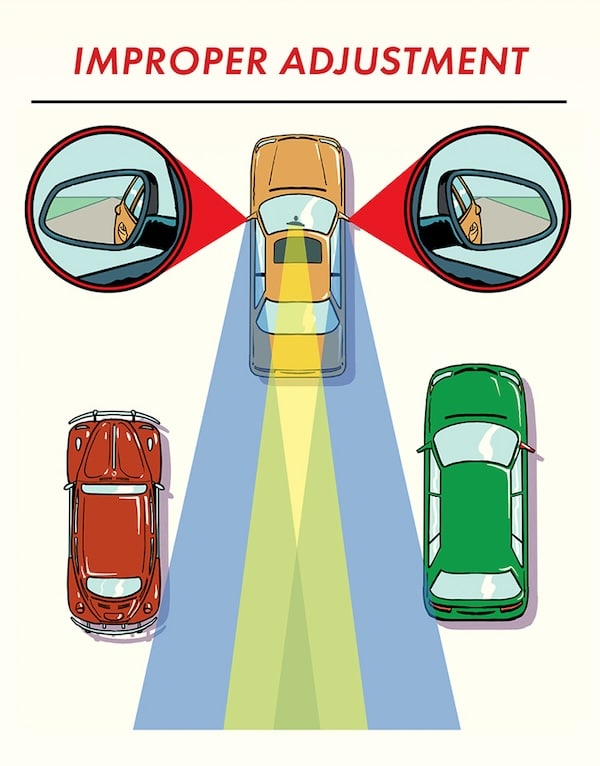
Overlapping Field Of View
Mirrors should show different areas, not the same spots. Overlapping views waste space and hide other vehicles. Adjust each mirror outward to widen your overall vision. This setup reduces blind spots and helps spot cars next to you.
Ignoring Blind Spots
Blind spots are dangerous zones not visible in mirrors. Many drivers do not check these areas before changing lanes. Slightly angle your mirrors to cover the blind spots on both sides. Always glance over your shoulder to confirm no cars hide there.
Neglecting Regular Checks
Mirrors can shift while driving or washing the car. Many forget to check and readjust them regularly. Inspect your mirrors before each trip to ensure they stay in the right position. Properly aligned mirrors keep you aware of your surroundings.

Credit: thesafedriver.ca
Frequently Asked Questions
How Do I Adjust Side Car Mirrors For Safety?
Adjust side car mirrors by sitting in your driving position. Tilt mirrors outward until you see a small part of your car. This reduces blind spots and improves road visibility, making your drive safer.
When Should I Check My Side Car Mirrors?
Check side car mirrors before every drive. Adjust them if needed after any mirror movement. Regular checks ensure optimal visibility and help prevent accidents.
Can Side Car Mirrors Reduce Blind Spots?
Yes, properly adjusted side car mirrors significantly reduce blind spots. Position mirrors to cover areas your rearview mirror misses. This helps detect vehicles and obstacles alongside your car.
What Is The Best Angle For Side Car Mirrors?
The best angle shows a slight view of your car’s side. This balance helps you see adjacent lanes and nearby vehicles clearly. Adjust mirrors to minimize blind spots without losing reference points.
Conclusion
Setting side car mirrors properly keeps you safe on the road. Check your angles to see blind spots clearly. Adjust mirrors while sitting in your usual driving position. Small changes make a big difference in visibility. Regularly inspect and correct mirror positions as needed.
Clear views help you react faster and avoid accidents. Take your time to get it right every time. Safe driving starts with good mirror setup.