
Are you tired of guessing your tire pressure or dealing with hard-to-read gauges? Using a digital tire pressure gauge can make checking your tires quick, easy, and accurate.
Whether you want to improve your car’s safety, save fuel, or extend tire life, knowing the right pressure is key. You’ll discover simple steps to use a digital tire pressure gauge like a pro—no technical skills needed. Keep reading, and you’ll never have to worry about your tire pressure again.

Credit: www.youtube.com
Choosing The Right Gauge
Choosing the right digital tire pressure gauge is key to getting accurate and reliable readings. With so many options available, it can be tricky to know which one fits your needs best. Think about how often you’ll use it and what features matter most to you.
Accuracy And Measurement Range
Look for a gauge that offers precise readings within the tire pressure range you need. Most car tires require 30-35 PSI, so a gauge covering 0-50 PSI is usually sufficient.
Some digital gauges offer accuracy up to ±1 PSI, which can make a difference in tire performance and safety. Have you ever wondered if your current gauge shows the true pressure or if you’re guessing?
Display Type And Readability
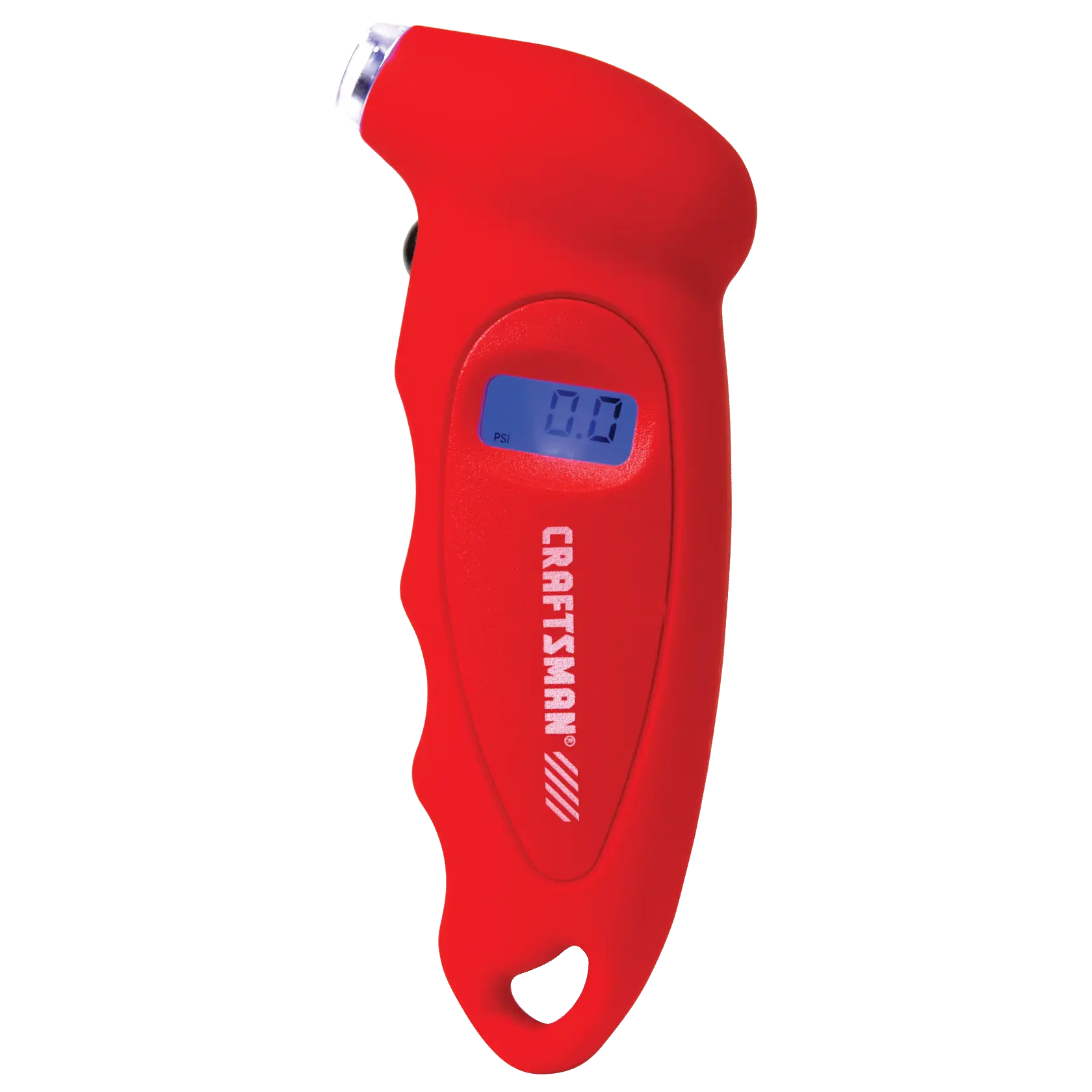
A clear, easy-to-read digital display saves time and frustration. Backlit screens are especially useful if you check your tires in low light or early morning hours.
Consider the size of the numbers and whether the display stays on long enough for you to get a good look. You don’t want to squint or rush because the screen dims too quickly.
Durability And Build Quality
Your gauge should handle everyday use without breaking or losing accuracy. Look for models with sturdy casings and water resistance if you expect to use them outdoors often.
I once bought a cheap gauge that stopped working after a few drops of rain. Don’t let this happen to you—invest in quality that lasts.
Additional Features To Consider
- Auto shut-off:Helps save battery life by turning off when not in use.
- Pressure units:Some gauges allow switching between PSI, kPa, and bar.
- Memory function:Stores previous readings for easy comparison.
- Flexible hose:Makes it easier to reach tricky valve stems.
Which of these extras would make your tire checks simpler and more efficient?
Price And Warranty
Higher price doesn’t always mean better quality, but extremely cheap options might fail quickly. Balance cost with features and durability.
Check if the manufacturer offers a warranty. This can give you peace of mind and protect your investment over time.
Preparing Your Vehicle
Preparing your vehicle before using a digital tire pressure gauge sets the foundation for accurate readings. Taking a few simple steps can save you from misreading tire pressure and potential safety hazards. Have you ever wondered why your tire pressure seems off even after checking it? The answer often lies in how ready your vehicle is for the measurement.
Check Tire Temperature
Tires heat up as you drive, causing air inside to expand and pressure to increase. For the most accurate reading, measure your tire pressure when the tires are cold—ideally after the vehicle has been parked for at least three hours. If you’ve just driven, wait or find a shaded spot before testing.
Locate The Valve Stem Caps
Before you start, find all the valve stems on your tires and remove their caps. Keep these caps in a safe place so you don’t lose them. This small step ensures you can easily attach the digital gauge without any hassle.
Clean The Valve Stems
Dirt or debris on the valve stems can affect the seal between the gauge and the tire. Use a clean cloth or a soft brush to wipe the valve stems gently. This helps you avoid air leaks during measurement, improving the accuracy of your reading.
Park Your Vehicle On A Flat Surface
Parking on uneven ground can cause uneven tire pressure distribution. Choose a flat, level surface before you check your tires. This simple action ensures your measurements reflect the true pressure for all tires.
Gather Your Tools
- Digital tire pressure gauge
- Valve stem caps
- Cloth or brush for cleaning
Having everything ready before you start helps you work efficiently and avoid interruptions. How often do you find yourself scrambling for tools mid-task? Preparing ahead prevents that.
Measuring Tire Pressure
Measuring your tire pressure accurately is essential for safe driving and better fuel efficiency. Using a digital tire pressure gauge makes this task simple and quick, but it’s important to follow the right steps. Let’s break down the process to help you get the most accurate reading every time.
Removing Valve Cap
Start by locating the valve stem on your tire. Twist off the valve cap carefully and keep it somewhere safe so you don’t lose it. This small step is often overlooked, but without removing the cap, you can’t get a proper reading.
Have you ever tried to check tire pressure and found the valve cap missing? Keeping track of this tiny piece saves you a trip to the store later.
Placing The Gauge
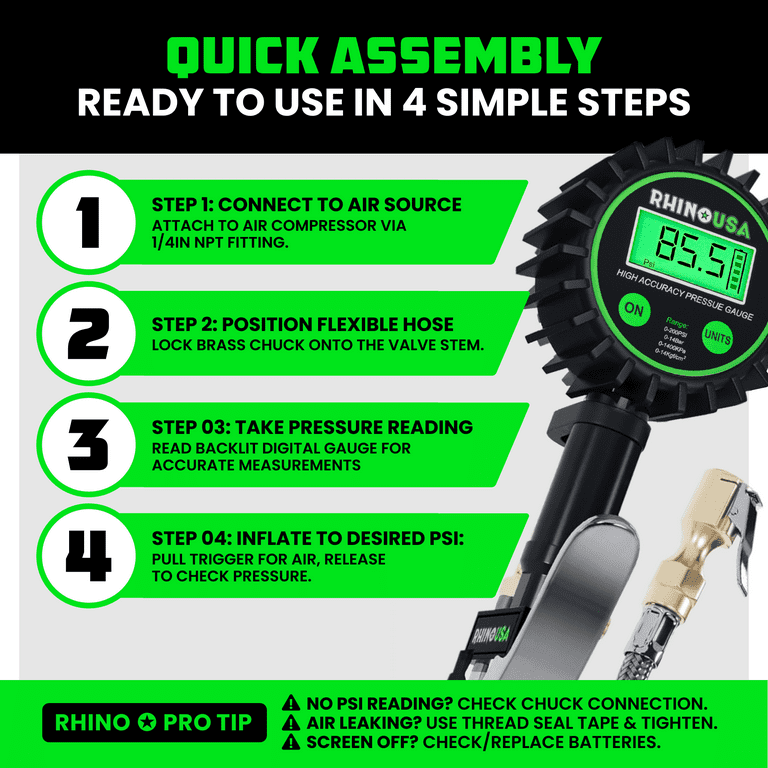
Next, press the digital tire pressure gauge firmly onto the valve stem. Make sure there’s a tight seal to avoid any air leaks, which can cause inaccurate readings. You might hear a quick hiss of air, but the gauge should lock onto the valve immediately.
Try holding the gauge steady for a few seconds to let it capture the correct pressure. If you move it too quickly, the reading might fluctuate or show an error.
Reading The Display
Once the gauge is properly placed, look at the digital display to see the pressure reading. Most gauges show the pressure in PSI, but some allow you to switch units to kPa or bar. Check your vehicle’s recommended tire pressure, usually found on the driver’s door or in the manual, and compare it with the reading.
Does the number on the screen surprise you? Accurate readings help you decide if you need to add or release air, improving your car’s performance and safety.
Credit: www.walmart.com
Maintaining Accurate Readings
Maintaining accurate readings from a digital tire pressure gauge ensures your vehicle performs safely and efficiently. Accurate pressure helps improve fuel economy, tire life, and overall driving comfort. Regular care keeps the gauge reliable and precise.
Calibrating The Gauge
Calibration keeps your gauge reading true. Follow the manufacturer’s instructions for calibration steps. Use a known accurate pressure source to compare readings. Adjust the gauge if the readings differ from the standard. Calibrate your gauge regularly to avoid errors.
Storing Properly
Proper storage protects the digital gauge from damage. Keep it in a dry place away from dust and moisture. Avoid dropping or exposing it to extreme temperatures. Store the gauge in its case or a soft pouch. Clean the gauge before storing to remove dirt or debris.
Credit: www.craftsman.com
Frequently Asked Questions
How Do I Use A Digital Tire Pressure Gauge Correctly?
First, remove the valve cap from the tire. Press the gauge firmly onto the valve stem. Read the digital display for accurate pressure. Replace the valve cap after measuring.
When Should I Check My Tire Pressure With A Digital Gauge?
Check tire pressure monthly and before long trips. Measure when tires are cold for the most accurate reading. Regular checks improve safety and fuel efficiency.
What Units Does A Digital Tire Pressure Gauge Display?
Digital gauges commonly show pressure in PSI, kPa, or BAR. You can usually switch units easily on the device. Choose the unit matching your vehicle’s recommended pressure.
How Accurate Is A Digital Tire Pressure Gauge?
Digital gauges are highly accurate, usually within ±1 PSI. They provide precise readings faster than analog gauges. Calibration ensures consistent, reliable measurements over time.
Conclusion
Using a digital tire pressure gauge keeps your tires safe and lasts longer. It helps you check pressure quickly and accurately. Regular checks save fuel and improve driving comfort. Follow the simple steps to use the gauge right every time.
Keep your gauge handy for easy tire care. Stay safe on the road with proper tire pressure. Small effort, big difference.