
Have you ever found yourself confused about which pedal actually stops your car? Knowing exactly which one is the brake is not just important—it’s crucial for your safety every time you get behind the wheel.
You’ll learn to instantly recognize the brake pedal, why it matters, and how understanding it can make your driving smoother and safer. Keep reading, because this simple knowledge could save you from costly mistakes or even accidents.
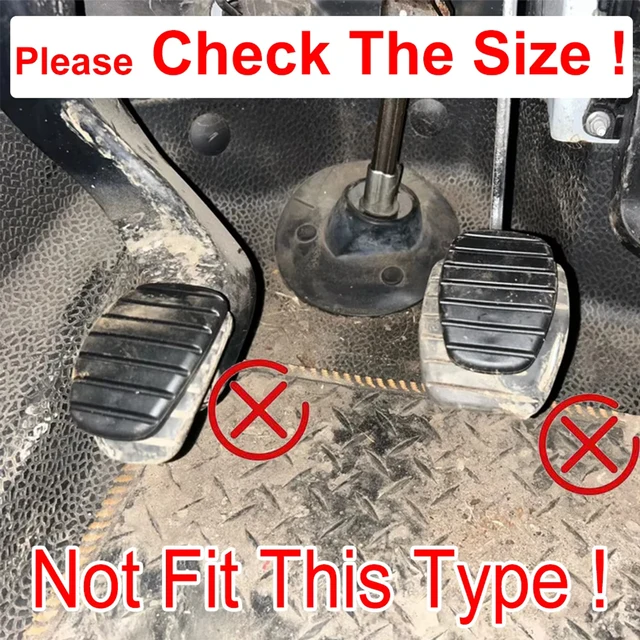
Credit: www.aliexpress.com
Identifying The Brake Pedal
Knowing how to identify the brake pedal is essential for safe driving. It’s the control you rely on to slow down or stop your car quickly. Understanding its location and features helps you react faster, especially in emergency situations.
Location Inside The Car
The brake pedal is located in the driver’s footwell, between the accelerator and the clutch (if your car has one). It sits directly in front of your right foot, making it easy to press without looking. In most cars, it’s the middle pedal for manual transmissions and the left pedal for automatics.
Visual Features Of The Brake Pedal
The brake pedal usually stands out because it’s wider and often has a textured rubber surface to prevent slipping. Unlike the accelerator, which is narrower and smooth, the brake pedal’s size helps you find it quickly by feel alone. Some cars even have a noticeable label or symbol on the pedal.
Differences From Accelerator And Clutch
The accelerator is on the far right and controls your speed by increasing engine power. It’s slimmer and positioned lower than the brake pedal. The clutch, present only in manual cars, is to the left of the brake and is similar in size but usually smoother and less textured.
Have you ever pressed the wrong pedal by mistake? Recognizing these differences can help you avoid that risky moment.

Credit: www.pohanka-nissan.com
How The Brake System Works
The brake system is your car’s safety net, designed to help you stop smoothly and quickly when needed. Understanding how it works can save you from unexpected dangers and costly repairs. Let’s break down the key parts that make braking possible and how you can tell when your brakes need attention.
Basic Mechanics Of Braking
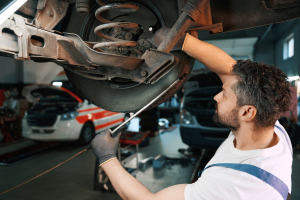
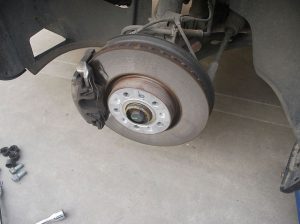
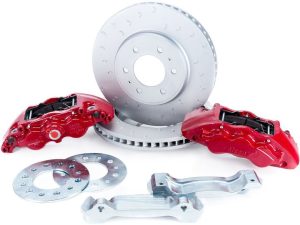
Your car slows down when the brake pads press against the wheels, creating friction that reduces speed. This process starts when you press the brake pedal, sending force through the brake lines to the brake calipers. The calipers then squeeze the brake pads onto the rotors, turning your car’s kinetic energy into heat and slowing the vehicle.
Imagine driving downhill—without this friction, your car would keep accelerating uncontrollably. The entire system relies on hydraulic pressure, which means even a small push on the pedal can create enough force to stop a heavy vehicle. Have you ever noticed how your brake pedal feels firm or soft? That’s your brake system communicating its condition.
Types Of Brake Systems
- Disc Brakes:Most modern cars use these. They offer strong stopping power and work well in wet conditions.
- Drum Brakes:Common in older or smaller cars, these use brake shoes pressing inside a drum. They can be less effective but are cheaper to produce.
- Anti-lock Braking System (ABS):This technology prevents your wheels from locking up during emergency stops, helping you maintain control.
Your choice of brake system affects your car’s performance and maintenance needs. Knowing which system your car has can help you recognize what kind of repairs or check-ups might be necessary. Have you checked your car’s manual lately to see what brake system it uses?
Signs Of Brake Wear
Brakes don’t last forever, and ignoring signs of wear can put you at risk. Listen for squealing or grinding noises when you brake—these sounds often mean your brake pads are thinning out.
If you feel your car pulling to one side when braking, it could indicate uneven wear or a problem with the brake calipers. Also, if the brake pedal feels soft or sinks closer to the floor, air might be in the brake lines or fluid could be low.
Have you noticed any of these symptoms? Acting quickly can prevent bigger, more expensive problems and keep your car safe on the road.
Safe Braking Tips For Beginners
Braking safely is key for every new driver. It keeps you, your passengers, and others safe on the road. Learning the right way to brake helps avoid accidents and makes driving less stressful. Here are simple tips to help beginners brake with confidence and control.
Proper Foot Placement
Place your right foot so the heel rests on the floor. Use the ball of your foot to press the brake pedal. This gives better control and smoother braking. Avoid using your toes only. Keep your foot relaxed and ready to move quickly.
Avoiding Common Mistakes
- Don’t slam the brake suddenly. This can cause skidding.
- Avoid riding the brake pedal. It wears out brakes faster.
- Don’t switch feet between pedals. Use your right foot only.
- Keep a safe distance from the car in front to brake safely.
Emergency Braking Techniques
Press the brake pedal firmly but not too fast. Keep steering straight to stay in control. If your car has ABS, press the brake hard and hold it. The system will stop the wheels from locking. Practice emergency braking in a safe, empty area.
Credit: www.slashgear.com
Frequently Asked Questions
What Pedal Is The Brake In A Car?
The brake pedal is the one on the far left or middle, depending on the car. Pressing it slows or stops the vehicle safely.
How To Identify The Brake Pedal In A Car?
The brake pedal is usually wider than other pedals and located between the accelerator and clutch (if manual). It is essential for stopping.
Why Is The Brake Pedal Important In A Car?
The brake pedal controls the vehicle’s braking system. It ensures safe stopping and helps prevent accidents by reducing speed effectively.
Can The Brake Pedal Be Confused With Other Pedals?
Rarely. The brake pedal is larger and distinct in position. Proper knowledge and practice help drivers avoid confusion and drive safely.
Conclusion
Knowing which part is the brake helps you drive safely. The brake pedal is usually on the left side of the car’s foot area. Pressing it slows down or stops the vehicle. Always use the brake gently to avoid sudden stops.
Understanding this simple fact can prevent accidents. Keep practicing and stay alert on the road. Safe driving depends on using the brakes correctly every time.