
You want to keep your baby safe every time you hit the road. But when is it really safe to turn your little one’s car seat to face forward?
This question can be confusing, and making the wrong choice could put your child at risk. You’ll discover exactly when your baby can switch to a front-facing car seat, what signs to look for, and why timing matters more than you might think.
Keep reading to make sure you’re giving your baby the best protection on every trip.
Credit: mommyhood101.com
Recommended Age For Front Facing
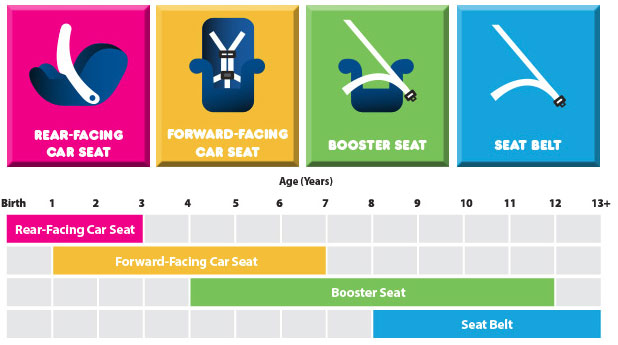
Knowing the right time to turn your baby’s car seat to face forward is crucial for their safety. Many parents wonder about the recommended age for this change. It’s not just about age—other factors like weight, height, and developmental readiness play a big role.
Weight And Height Guidelines
Car seat manufacturers set specific weight and height limits for rear-facing and front-facing seats. Typically, babies should remain rear-facing until they reach at least 20 to 22 pounds. Height limits vary but usually range between 26 to 30 inches before switching to front-facing.
Here’s a quick reference to keep in mind:
| Seat Position | Minimum Weight | Maximum Height |
|---|---|---|
| Rear-Facing | Up to 20-22 lbs | Up to 26-30 inches |
| Front-Facing | From 20-22 lbs | Over 26-30 inches |
If your baby is close to these limits, it’s a good time to check your car seat’s manual and verify the exact numbers. Sometimes, parents rush to turn their child forward before they are physically ready. Have you ever checked your child’s growth stats against the car seat manual?
Developmental Milestones
Weight and height aren’t the only things to consider. Your baby’s ability to sit up well without support is a key developmental milestone before front-facing. This usually happens around 2 years old but can vary.
Strong neck and head control is essential because front-facing seats provide less support in a crash. If your baby still leans or slouches, it’s safer to keep them rear-facing. Think about your child’s posture—can they hold their head steady for extended periods?
Also, consider their comfort during rides. Babies who are not developmentally ready may fuss or show discomfort in a front-facing seat. Your child’s behavior can give you clues about their readiness beyond just weight and height numbers.
Safety Risks Of Early Front Facing
Turning babies to face forward too soon increases serious safety risks. Their neck and spine are still fragile. Early front-facing can cause severe injuries during crashes. Experts recommend keeping babies rear-facing longer for better protection.
Injury Statistics
Studies show rear-facing seats reduce injury risk by 75%. Babies under 2 face much higher injury rates when front-facing. Most head and neck injuries happen in early front-facing crashes. Data proves waiting to turn forward saves lives.
Common Mistakes To Avoid
- Switching to front-facing as soon as baby reaches the weight limit.
- Ignoring height and developmental readiness signs.
- Using car seats not designed for extended rear-facing use.
- Skipping proper installation checks.
- Failing to follow manufacturer and safety guidelines.
Choosing The Right Car Seat
Choosing the right car seat is crucial for your baby’s safety and comfort during every ride. The decision can feel overwhelming with so many options available. Understanding the differences between car seat types and knowing how to install them correctly will help you make the best choice for your child’s needs.
Convertible Vs. Forward-facing Seats
Convertible car seats offer flexibility. They start as rear-facing seats and can be turned forward-facing when your baby meets the height and weight limits. This option can save you money and hassle since you won’t need to buy a separate seat as your child grows.
Forward-facing seats, on the other hand, are designed specifically for older toddlers. They usually have a higher weight limit for forward-facing use, but your child should only switch after reaching the recommended limits for rear-facing. Have you checked the specific weight and height guidelines on your seat’s manual yet?
- Convertible seats are ideal if you want one seat that grows with your child.
- Forward-facing seats are simpler but may require buying a new seat sooner.
- Always prioritize rear-facing as long as your baby fits the limits—it’s safer.
Proper Installation Tips
Even the best car seat won’t protect your child if it’s installed incorrectly. Start by reading the car seat manual thoroughly and then your vehicle’s owner manual for any specific installation notes. Don’t rush this step—secure installation is key.
Use either the vehicle’s seat belt or the LATCH system to fasten the seat tightly. The seat should not move more than one inch side to side or front to back at the belt path. Have you tried pushing or pulling the seat after installation to check for movement?
- Double-check the angle of rear-facing seats; too upright can harm your baby in a crash.
- Ensure harness straps lie flat without twists and are snug enough that you cannot pinch any slack.
- Consider visiting a local car seat inspection station for professional help—you can find these at many fire stations or hospitals.
.jpg)
Credit: www.thule.com

Credit: uppababy.com
Frequently Asked Questions
When Is It Safe For Babies To Face Forward In Car Seats?
Babies can face forward after reaching 2 years or the car seat’s height/weight limit. Rear-facing offers better protection for infants and toddlers. Always follow your car seat manufacturer’s guidelines and local laws for safest use.
Why Keep Babies Rear-facing For As Long As Possible?
Rear-facing car seats provide better head, neck, and spine support during crashes. This position reduces injury risk significantly for babies under 2 years. Experts recommend rear-facing until age 2 or beyond for maximum safety.
What Are The Height And Weight Limits For Forward-facing Seats?
Forward-facing seats generally require babies to weigh at least 20 pounds and be 1-2 years old. Height limits vary by seat model, often around 30-35 inches. Check your car seat manual to confirm exact limits before transitioning.
Are There Legal Age Requirements For Front-facing Car Seats?
Most regions require children to be at least 2 years old before facing forward. Laws vary, so check local regulations to ensure compliance. Following these laws helps protect your child and avoid fines.
Conclusion
Babies should stay rear-facing as long as possible. Most experts say at least until age two. This position protects their head and neck better. Always check your car seat’s weight and height limits. Follow your local laws for safety rules.
Changing to front-facing too soon can increase risks. Keep your child safe by waiting for the right time. Proper car seat use helps prevent serious injuries. Safety first, always. Your child’s well-being depends on it.