
Have you ever been shocked to find out that your car was declared a total loss, even though the damage seemed minor? You’re not alone.
Many people wonder why insurance companies decide to “total” cars with just a little damage. It feels unfair and confusing, right? But there’s more to this decision than meets the eye. Understanding the reasons behind it can save you from frustration and help you make smarter choices with your insurance claims.
Keep reading, and you’ll discover the surprising factors that influence these decisions—and what they mean for you and your car.

Credit: www.reddit.com
Criteria For Totaling A Car
Understanding the criteria insurance companies use to decide if a car is totaled can help you navigate the aftermath of an accident more confidently. It’s not always about how bad the damage looks on the surface. Instead, companies rely on specific factors and processes to make this tough call.
Damage Assessment Process
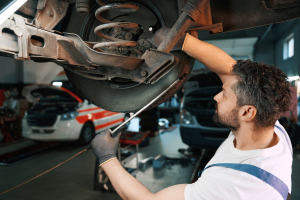
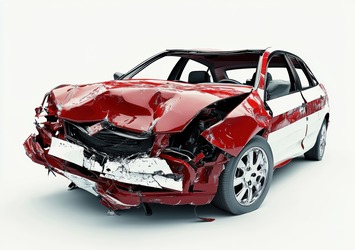
The damage assessment begins with a detailed inspection of your vehicle. Insurance adjusters look beyond the visible dents and scratches to check the car’s structural integrity.
They evaluate components like the frame, airbags, engine, and even electronic systems. Sometimes, a small crack in the frame can lead to a total loss because repairing it compromises safety.
Have you ever wondered why your car feels different after a minor crash? That’s because some damage isn’t obvious but still costly to fix or unsafe to drive.
Cost Thresholds And Repair Estimates
Insurance companies compare the estimated repair cost to your car’s actual cash value (ACV). If repairs exceed a certain percentage of the car’s value, the vehicle is usually declared a total loss.
This percentage varies by state and insurer but often falls between 60% and 80%. For example, if your car is worth $10,000 and repairs cost $7,000, it might be totaled because it’s cheaper to pay you the car’s value than to fix it.
Keep in mind, repair shops often provide estimates that include hidden costs like labor and replacement parts. This comprehensive approach ensures the insurance company isn’t underestimating the repair expenses.
Credit: www.insure.com
Financial Incentives Behind Totals
Understanding why insurance companies sometimes total cars with seemingly minor damage requires looking closely at their financial incentives. It’s not just about the visible damage but also the costs and profits tied to repair decisions. These choices affect both the insurer’s bottom line and your experience as a policyholder.
Insurance Company Profit Motives
Insurance companies aim to maximize profits while minimizing expenses. Repairing a car, even with minor damage, can involve hidden costs like labor, parts, and potential future claims if repairs aren’t perfect. Sometimes, paying out a total loss claim upfront is cheaper for them than managing repairs.
They also factor in administrative costs and the risk of the car becoming unsafe after repair. This risk can lead to liability issues down the road. Would you trust your safety to a car patched up just to save money?
Another angle is how insurance companies handle totaled vehicles. They often sell these cars to salvage yards, recovering some money. This resale can offset the payout, making total losses more financially attractive than repairs.
Impact On Policyholders And Repairs
When your car is totaled with minor damage, you might feel frustrated or confused. The decision can leave you without your vehicle and force you to start over, even if repairs seemed reasonable to you. This can disrupt your daily life and financial plans.
Repairs can sometimes extend your car’s life and keep costs down, but insurers might push for totals to avoid uncertainties. You might wonder if there’s a way to challenge or negotiate these decisions. Knowing your rights and getting independent repair estimates can make a difference.
Think about how this affects your insurance premiums too. A total loss claim can impact rates more than a repair claim. Have you considered how these financial moves by your insurer might affect your future costs?
Hidden Factors Influencing Decisions
Insurance companies do not just look at visible damage when deciding to total a car. Several hidden factors influence their choices. These elements affect repair costs, vehicle value, and potential risks. Understanding these factors helps explain why some cars get totaled despite minor damage.
Vehicle Age And Market Value
Older cars usually have lower market value. Repair costs can easily exceed what the car is worth. Insurance companies compare repair expenses with the vehicle’s current value. If fixing the car costs more than its market price, the car is often totaled.
Cars that lose value quickly after damage may also face total loss decisions. Even small repairs might not restore the car’s worth. This is common with outdated models or cars with high mileage.
Safety And Liability Concerns
Safety plays a key role in totaling decisions. Cars with hidden structural damage may be unsafe to drive. Repairing such issues might not bring the vehicle back to its original safety standards.
Insurance companies want to avoid liability for accidents caused by poor repairs. Totaling the car reduces the risk of future safety problems. This protects both the insurer and the vehicle owner from potential harm.

Credit: www.reddit.com
Frequently Asked Questions
Why Do Insurance Companies Total Cars With Minor Damage?
Insurance companies total cars when repair costs near or exceed the car’s value. Even minor damage can hide costly repairs, so they opt to total the car for financial reasons. This saves them money compared to extensive repairs.
How Is A Car’s Total Loss Value Determined?
The total loss value is based on the car’s pre-accident market value. Adjusters consider age, mileage, condition, and local market prices. If repair estimates exceed a set percentage of this value, the car is declared totaled.
Can A Car Be Repaired After Being Totaled?
Yes, a totaled car can be repaired, but it’s often not cost-effective. Repairs may compromise safety and resale value. Most owners choose to sell or salvage the vehicle instead of repairing it.
What Factors Influence Insurance Companies To Total A Car?
Repair costs, car value, safety concerns, and state laws affect total loss decisions. Hidden damages and frame issues also play a role. Insurers aim to minimize losses while ensuring claimants get fair settlements.
Conclusion
Insurance companies often total cars with minor damage. It might seem puzzling. But it’s about costs and safety. Repair costs can exceed car value. Safety standards must be maintained. Insurers prefer to avoid future risks. Sometimes, hidden damage exists. Repairing those could be costly.
Totaling a car becomes practical. For both parties. Understanding this helps car owners. It clarifies insurance decisions. Keeping informed helps navigate claims. Better decisions are made with knowledge. Always ask questions if unclear. Stay proactive and aware in car matters.