
Have you ever felt your car shake or vibrate when you press the brake pedal? It can be surprising and even a little scary.
You might wonder if it’s a sign of a serious problem or just a normal quirk. Understanding why your car shakes when you brake can help you stay safe and avoid costly repairs. You’ll discover the common reasons behind this issue and what you can do to fix it.
Keep reading to learn how to protect your car and enjoy a smoother, safer drive.

Credit: www.reddit.com
Common Causes Of Car Shaking During Braking
Feeling your car shake when you brake can be unsettling and even dangerous. Understanding why this happens helps you address the issue quickly and avoid costly repairs. Several common causes contribute to this problem, and knowing them will guide you to the right fix.
Warped Brake Rotors
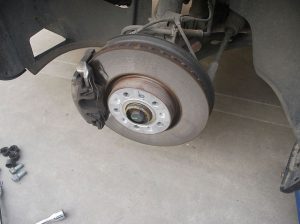
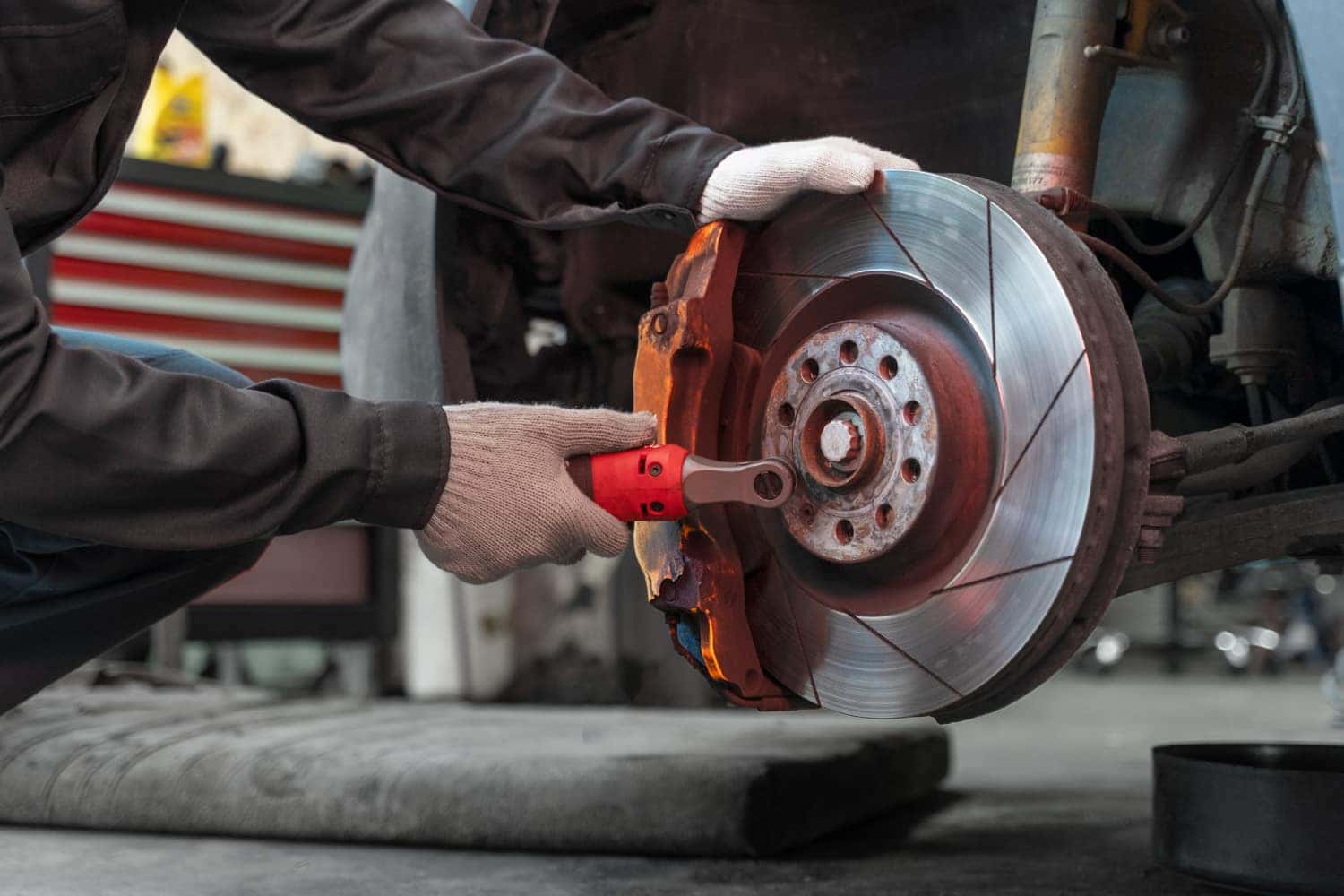
Warped brake rotors are one of the top reasons your car shakes during braking. Rotors can warp due to excessive heat buildup from hard or frequent braking. This causes uneven contact with the brake pads, leading to vibrations you can feel through the brake pedal or steering wheel.
If you’ve ever driven down a steep hill and noticed the shaking worsen, that’s a classic sign of rotor warping. Getting your rotors inspected and resurfaced or replaced can restore smooth braking.
Worn Brake Pads
Brake pads wear down over time, and when they get too thin, they don’t grip the rotor evenly. This uneven pressure creates shaking or pulsation when you press the brake pedal. Driving with worn pads not only causes vibrations but also reduces braking efficiency.
Regularly checking your brake pads and replacing them before they wear out completely keeps your braking smooth and safe. Have you checked your brake pads recently?
Suspension Issues
Your car’s suspension system plays a crucial role in how it handles braking forces. Worn-out or damaged suspension parts like shocks, struts, or ball joints can cause instability and shaking when you slow down. This is because the suspension can no longer absorb the road’s bumps effectively.
Pay attention if the shaking happens mostly at lower speeds or when driving over uneven roads. A mechanic can diagnose suspension problems and suggest repairs that improve your ride quality.
Tire Problems
Tires might seem unrelated to braking, but they have a direct impact on stability. Issues like uneven tire wear, improper balancing, or low tire pressure can cause your car to shake during braking. These problems affect how the tires grip the road and handle braking forces.
Check your tires regularly for signs of wear or damage, and keep them properly inflated. Balancing your tires during routine maintenance can also prevent vibrations. Have you noticed uneven tire wear or felt shaking after a tire change?
How Shaking Affects Vehicle Safety
Shaking during braking is more than just an annoying vibration—it directly impacts your vehicle’s safety. Understanding how this shaking affects your car can help you recognize the urgency of addressing the issue promptly. Ignoring these signs can lead to serious consequences on the road.
Impact On Braking Efficiency
When your car shakes as you brake, it often means your brake system isn’t working smoothly. This vibration can reduce the contact between brake pads and rotors, lowering the overall braking power. You might notice longer stopping distances or a spongy brake pedal, both of which make controlling your car harder.
Imagine needing to stop quickly in traffic—if your brakes aren’t responsive, your reaction time effectively increases. This can turn a manageable situation into a dangerous one in seconds.
Risks Of Ignoring The Problem
Ignoring brake shaking can lead to worsening damage and higher repair costs. Components like rotors and brake pads wear unevenly, increasing the risk of sudden brake failure. This isn’t just a mechanical issue; it’s a safety hazard for you, your passengers, and everyone else on the road.
Have you ever felt uneasy while braking and decided to ignore it? That small hesitation could put you in harm’s way. Taking action early protects your vehicle and gives you peace of mind every time you hit the brakes.
Quick Fixes To Stop Car Shaking
Feeling your car shake every time you hit the brakes can be unsettling. But the good news is that many causes have straightforward solutions. Addressing these quick fixes can restore your smooth driving experience and keep your car safe on the road.
Brake System Maintenance
Your brake system plays a huge role in how your car responds when you slow down. Worn-out brake pads or warped rotors often cause vibrations. Checking and replacing these parts regularly can stop shaking almost instantly.
Have you noticed any squealing or grinding sounds when braking? These noises are clear signs your brake system needs attention. Cleaning the brake components and ensuring proper installation also helps maintain smooth braking.
Tire Inspection And Replacement
Tires can be the silent culprit behind your shaking car. Uneven tire wear or unbalanced wheels create vibrations that you feel through the brake pedal. Inspect your tires for bald spots, bulges, or uneven tread patterns.
Balancing your tires or replacing damaged ones can make a surprising difference. You might be surprised how a quick tire rotation or alignment fixes the problem you thought was brake-related.
Suspension Check And Repair
The suspension system absorbs shocks and keeps your car stable. If components like struts or ball joints are worn, your car may shake during braking. Getting your suspension inspected ensures these parts work correctly and don’t contribute to the problem.
Have you ever driven over a bump and felt extra vibration? That’s a sign your suspension needs attention. Replacing faulty parts can restore your car’s stability and prevent shaking when you brake.
Credit: www.serratraversecity.com

Credit: www.kirklandhonda.com
Frequently Asked Questions
Why Does My Car Shake Only When Braking?
Your car shakes when braking due to warped brake rotors. Uneven rotor surfaces cause vibrations transmitted through the brake pedal and steering wheel. This is common with prolonged brake use or overheating. Timely rotor resurfacing or replacement often resolves the issue, improving safety and comfort.
Can Worn Brake Pads Cause Car Shaking?
Yes, worn brake pads can cause shaking. Thin or uneven pads reduce braking efficiency and cause vibrations. When brake pads wear out, the braking force becomes inconsistent, leading to noticeable shaking. Regular brake inspections help prevent this problem and maintain smooth braking performance.
How Do Brake Rotors Cause Shaking During Braking?
Brake rotors cause shaking when they warp or become uneven. Heat and stress from braking cause rotors to deform. This irregular surface creates vibrations felt in the brake pedal and steering wheel. Rotor resurfacing or replacement usually fixes the shaking and restores smooth braking.
Is Wheel Alignment Related To Car Shaking When Braking?
Poor wheel alignment can contribute to shaking but is less common during braking. Misaligned wheels cause uneven tire wear and vibrations at various speeds. If shaking occurs only when braking, brake system issues are more likely. Proper alignment still improves overall driving stability.
Conclusion
A car shaking when you brake signals a problem. It could be worn brake pads or warped rotors. Ignoring this can lead to bigger issues and unsafe driving. Regular brake checks keep your car smooth and safe. Pay attention to any shaking and fix it soon.
A steady brake means better control and peace of mind. Don’t wait until the shaking gets worse. Safe driving starts with good brakes.