
Have you ever wondered how many spark plugs your car has? Knowing this simple fact can save you time and money when it’s time for maintenance.
Spark plugs play a crucial role in keeping your engine running smoothly. But the number of spark plugs isn’t the same for every car. Understanding this can help you take better care of your vehicle and avoid costly repairs. Keep reading, and you’ll discover exactly how many spark plugs your car needs and why it matters to you.
Credit: www.westsideauto.com.au
Spark Plug Basics
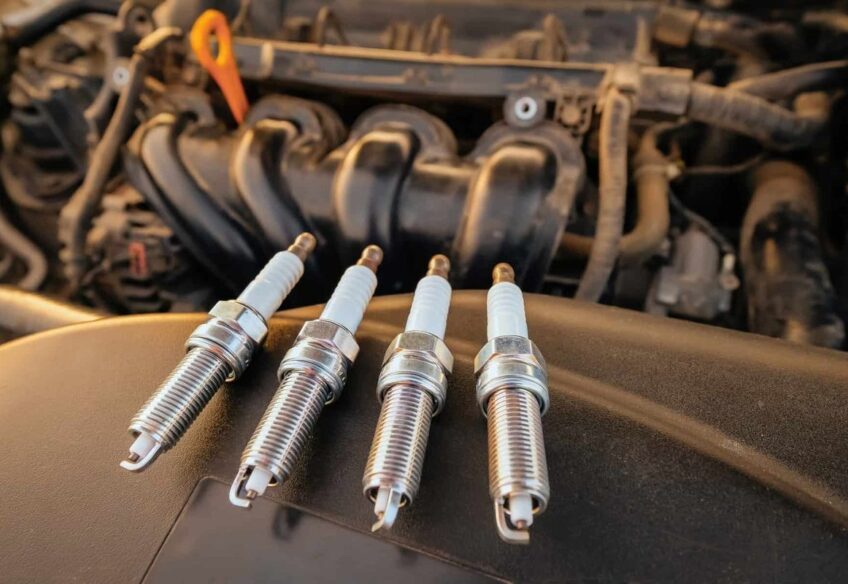
Spark plugs are small but vital parts of a car’s engine. They create sparks that ignite the air-fuel mix inside the engine cylinders. This ignition starts the engine and keeps it running smoothly. Understanding spark plugs helps in knowing how many your car needs and why they matter.
Role In Engine Performance
Spark plugs deliver a spark at the right moment to ignite the fuel-air mix. This ignition produces the power your engine needs to move the car. Good spark plugs improve fuel efficiency and reduce emissions. Worn or faulty spark plugs cause rough idling and engine misfires. They directly affect your car’s power and smoothness.
Types Of Spark Plugs
There are several types of spark plugs, each with unique features:
- Copper Spark Plugs:Good conductors but wear out faster.
- Platinum Spark Plugs:Last longer than copper and resist corrosion.
- Iridium Spark Plugs:Most durable and provide strong sparks.
- Double Platinum Spark Plugs:Better for waste spark ignition systems.
Choosing the right type depends on your car’s engine and driving needs.
Factors Influencing Spark Plug Count
The number of spark plugs in a car depends on several key factors. These factors relate to the engine’s design and how it operates. Understanding these helps explain why some cars have more spark plugs than others.
Each engine is built differently, affecting how many spark plugs it needs. The design aims to make the engine run smoothly and efficiently. Spark plugs ignite the fuel-air mixture in the engine cylinders. Their count is tied to the engine’s shape and size.
Engine Configuration
Engine configuration defines how many cylinders the engine has and how they work together. Most engines have one spark plug per cylinder. Some high-performance or specialized engines use two spark plugs per cylinder. This improves combustion and power output.
For example, a four-cylinder engine usually has four spark plugs. A V6 engine has six spark plugs, one for each cylinder. Certain engines with a “dual ignition” system use double spark plugs, doubling the count.
Cylinder Arrangement
Cylinder arrangement refers to how cylinders are placed inside the engine. Common layouts include inline, V-shaped, and flat engines. Each layout affects spark plug placement and quantity.
Inline engines have cylinders in a straight line, so spark plugs line up in one row. V-shaped engines have two banks of cylinders set in a “V” form, requiring spark plugs on both sides. Flat engines, or boxer engines, place cylinders horizontally, spreading spark plugs across the engine.
Common Spark Plug Counts By Vehicle
Knowing how many spark plugs your car has can save you time and money during maintenance. The number of spark plugs depends mostly on the engine type and size. Understanding common spark plug counts by vehicle helps you check or replace them without guesswork.
Four-cylinder Engines
Most four-cylinder engines come with four spark plugs—one per cylinder. This setup is simple and efficient, making it easy to track each plug’s condition.
Compact cars and many sedans use four-cylinder engines. If you own a Toyota Corolla or Honda Civic, expect to find four spark plugs under the hood.
Have you ever tried replacing a spark plug only to realize you missed one? Knowing your engine has four plugs ensures you cover all bases.
Six And Eight-cylinder Engines
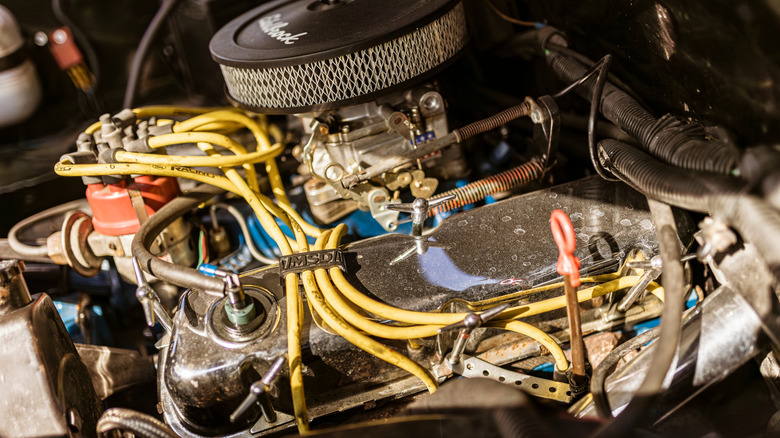
Six-cylinder engines usually have six spark plugs, while eight-cylinder engines have eight. Each cylinder requires its own spark plug to ignite the air-fuel mixture properly.
Vehicles like the Ford F-150 or Chevrolet Camaro often come with six or eight-cylinder engines. This means more spark plugs to inspect and replace during routine checks.
Keep in mind, some performance or luxury cars might use twin spark plugs per cylinder, doubling the count. Have you checked your owner’s manual to confirm the exact number?
Credit: www.slashgear.com
Checking And Replacing Spark Plugs
Checking and replacing spark plugs is essential to keep your car running smoothly. These small components play a big role in your engine’s performance. Ignoring their condition can lead to poor fuel economy, rough idling, or even engine misfires.
Signs Of Wear
How do you know when your spark plugs need attention? Look for these common signs:
- Engine Misfires:If your car hesitates or jerks during acceleration, worn spark plugs could be the cause.
- Difficulty Starting:Struggling to start your engine might mean the plugs are no longer firing properly.
- Poor Fuel Economy:A sudden drop in mileage often points to inefficient combustion due to old plugs.
- Rough Idling:Noticeable shaking or vibration when the car is idle can signal plug issues.
Have you experienced any of these? Checking your spark plugs can save you from bigger problems down the road.
Replacement Tips
Replacing spark plugs is simpler than many think, but a few tips can make it easier and safer:
- Always let the engine cool before you start to avoid burns.
- Use a spark plug socket and a ratchet for easy removal and installation.
- Check your owner’s manual for the exact type and gap specification of spark plugs suitable for your car.
- Replace plugs one at a time to avoid mixing up the spark plug wires.
- Apply a small amount of anti-seize compound on the threads to prevent them from sticking.
- Hand-tighten the new plug first, then use a torque wrench to tighten it to the recommended setting.
Have you ever tried changing your spark plugs yourself? Many find it rewarding and cost-effective once they know these key tips.

Credit: www.reddit.com
Frequently Asked Questions
How Many Spark Plugs Does A Typical Car Have?
Most cars have one spark plug per cylinder. Common engines have 4, 6, or 8 cylinders, so 4 to 8 spark plugs. Some engines use two spark plugs per cylinder for better performance. Always check your car’s manual for exact numbers.
Does Engine Type Affect Spark Plug Quantity?
Yes, engine type directly affects spark plug count. Inline-4 engines have 4 spark plugs, V6 engines have 6, and V8 engines have 8. Some modern engines use dual spark plugs per cylinder, doubling the count. Knowing your engine type helps determine the spark plug number.
Can I Drive With A Missing Spark Plug?
Driving with a missing spark plug is not recommended. It causes engine misfires, reduced power, and poor fuel efficiency. It may damage your engine over time. Replace any missing spark plugs immediately to maintain optimal engine performance and avoid costly repairs.
How Do I Find The Number Of Spark Plugs In My Car?
Check your car’s owner manual for spark plug details. Alternatively, identify your engine type and cylinder count online. You can also open the engine bay and count visible spark plugs. Knowing this helps in maintenance and spark plug replacement.
Conclusion
Knowing the number of spark plugs helps maintain your car better. Most cars have one spark plug per cylinder. Engines usually have between 4 and 8 cylinders. Some high-performance cars may have more. Checking your owner’s manual gives the exact count.
Changing spark plugs on time keeps your engine running smooth. It also saves fuel and prevents problems. Remember, simple care can extend your car’s life. Keep your vehicle in good shape by knowing its spark plug setup. Easy to do.
Good for your car.