
You rely on your car every day, but have you ever wondered how long it can really go without an oil change? Skipping this simple maintenance step might seem harmless, but it could lead to serious problems down the road.
Understanding the right timing for an oil change can save you money, prevent breakdowns, and keep your engine running smoothly. Keep reading to find out how long your car can safely go without an oil change and why sticking to a schedule is more important than you might think.
Signs Your Car Needs An Oil Change
Knowing the signs your car needs an oil change helps avoid engine problems. Regular oil changes keep your engine clean and running smoothly. Missing these signs can lead to costly repairs and poor performance.
Warning Lights And Indicators
The oil change or check engine light may turn on. This alerts you to low oil levels or dirty oil. The dashboard may also show a maintenance reminder. Never ignore these warning signals.
Unusual Engine Noises
Listen for knocking or ticking sounds from the engine. These noises can mean the oil is old or low. Oil lubricates engine parts, so lack of it causes friction. Strange sounds often signal the need for fresh oil.
Oil Appearance And Smell
Check the oil on the dipstick regularly. Clean oil is amber and clear. Dark, dirty, or gritty oil means it’s time for a change. A burnt smell from the engine or oil also warns of old oil.
Credit: www.bumper.co
Factors Affecting Oil Change Intervals
Knowing how long your car can go without an oil change depends on many factors. These influence how quickly the oil breaks down and loses its ability to protect your engine. Understanding these factors helps you maintain your car properly and avoid engine damage.
Driving Conditions And Habits
Driving style affects oil life a lot. Frequent short trips keep the engine cold, which causes faster oil wear. Stop-and-go traffic and heavy loads also stress the oil more. Long highway drives, by contrast, usually cause less oil degradation. Harsh weather, like extreme heat or cold, speeds up oil breakdown too.
Type Of Oil Used
Oil quality impacts change intervals. Synthetic oils last longer and resist breakdown better than conventional oils. They handle heat and pressure well, which helps protect the engine. Conventional oils need changing more often. Some oils have special additives that improve performance and extend oil life.
Car Make And Model
Different cars have different engine designs and requirements. Some manufacturers recommend longer oil change intervals. Others suggest shorter intervals based on engine type or technology. Newer cars with advanced engines often use synthetic oil and have sensors to track oil condition. Older models may need more frequent changes to stay healthy.
Risks Of Delaying Oil Changes
Delaying oil changes might seem like a minor issue, but it can lead to serious problems for your car. The oil in your engine is the lifeblood that keeps everything running smoothly. Skipping or postponing oil changes exposes your vehicle to multiple risks that can end up costing you more time and money.
Engine Wear And Damage
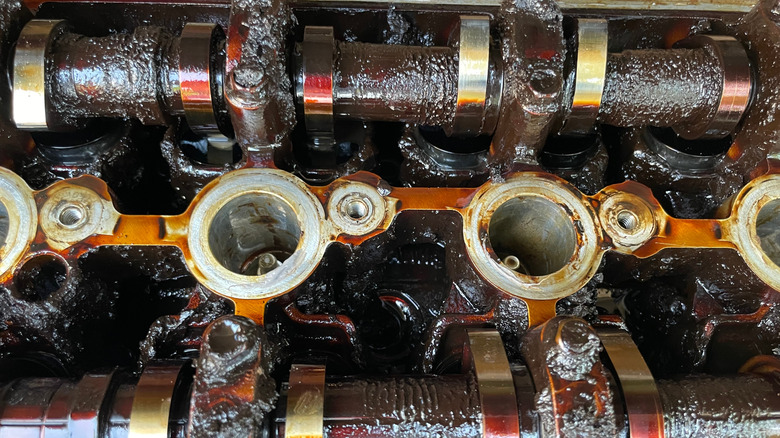
Engine oil lubricates the moving parts inside your engine, reducing friction and preventing wear. Over time, oil breaks down and becomes contaminated with dirt and debris. If you delay an oil change, this dirty oil can’t protect your engine effectively, leading to increased wear and even permanent damage.
Have you ever noticed your engine sounding rough or overheating? These can be early signs that your oil is no longer doing its job. Waiting too long can cause parts like pistons and bearings to wear out faster, forcing expensive repairs or even engine replacement.
Reduced Fuel Efficiency
Clean oil keeps your engine running efficiently. When oil ages and thickens, your engine has to work harder to perform the same tasks. This extra effort burns more fuel, lowering your car’s fuel economy.
Imagine filling up your tank more often just because your oil is overdue for a change. That’s money slipping away unnecessarily. Keeping your oil fresh helps your engine maintain optimal performance and saves you from frequent trips to the gas station.
Void Warranty Concerns
Many car manufacturers require regular oil changes to keep your warranty valid. Ignoring this can lead to warranty claims being denied if engine problems arise. This means you could be stuck paying out of pocket for repairs that might have been covered.
Have you checked your car’s warranty terms? Staying on top of oil changes protects you from unexpected expenses and keeps your warranty intact. It’s a simple step that can save you from a major headache down the road.
Credit: www.jalopnik.com
Tips To Extend Oil Life
Extending the life of your car’s oil is not just about saving money; it also ensures your engine runs smoothly for a longer time. Small habits and smart choices can make a big difference in how long your oil stays effective. Here are some practical tips to help you get the most out of every oil change.
Regular Maintenance Checks
Checking your oil regularly helps catch problems before they worsen. Look for changes in color or consistency, as dark or gritty oil signals it’s time for a change. Regularly inspecting oil levels prevents running your engine low on oil, which can cause serious damage.
Have you ever noticed your car’s performance drop suddenly? Often, it’s linked to neglected oil care. Setting reminders for monthly oil checks can keep you ahead of issues and extend your oil’s life.
Choosing Quality Oil
The type of oil you use impacts how long it lasts and how well it protects your engine. Synthetic oils generally last longer and perform better under extreme conditions than conventional oils. Using the right oil grade recommended by your car’s manufacturer can improve fuel efficiency and reduce engine wear.
Think about your driving habits—do you drive mostly in stop-and-go traffic or take long highway trips? Choosing oil tailored to your driving conditions can stretch its life significantly. Don’t just grab the cheapest option; investing in quality oil pays off in the long run.
Monitoring Mileage And Time
Oil doesn’t just wear out with mileage; it also degrades over time. Even if you don’t drive much, oil can become less effective after several months. Check your owner’s manual for specific mileage and time intervals, and don’t ignore either one.
Have you ever waited too long between oil changes and faced costly repairs? Keeping track of your mileage and calendar dates ensures you change oil before it loses its protective properties. A simple log or smartphone reminder can help you stay on top of it without hassle.

Credit: www.mccluskeychevrolet.com
Frequently Asked Questions
How Often Should I Change My Car’s Oil?
Most manufacturers recommend changing oil every 5,000 to 7,500 miles. Always check your owner’s manual for exact intervals. Regular oil changes keep your engine running smoothly and prevent costly damage.
What Happens If I Delay My Oil Change?
Delaying oil changes can cause engine sludge, poor performance, and overheating. Old oil loses its lubricating properties, increasing wear and tear. This can lead to expensive repairs or even engine failure.
Can Synthetic Oil Extend Oil Change Intervals?
Yes, synthetic oil lasts longer than conventional oil. It can extend change intervals up to 10,000 miles or more. However, always follow your car manufacturer’s recommendations to maintain warranty and performance.
How To Know When Your Car Needs An Oil Change?
Look for warning lights on the dashboard or check oil levels regularly. Dark, thick oil or unusual engine noises also indicate a needed oil change. Timely changes keep your engine healthy.
Conclusion
Regular oil changes keep your car running smoothly. Old oil can cause engine damage and reduce performance. Most cars need an oil change every 3,000 to 7,500 miles. Check your owner’s manual for exact guidelines. Watch for signs like engine noise or poor fuel economy.
Don’t wait too long between changes. Protect your investment and save money on repairs. Simple care goes a long way. Your car will thank you with better performance and longer life.