
Your car’s brake fluid is one of the most important but often overlooked parts of keeping your vehicle safe. If you don’t change it regularly, your brakes might not work when you need them most.
But how do you change brake fluid on a car without spending a fortune at the shop? You’ll discover simple, step-by-step instructions that anyone can follow. By the end, you’ll feel confident maintaining your brake system and protecting yourself on the road.
Keep reading—your safety depends on it.
Tools And Materials Needed
Changing your car’s brake fluid requires some specific tools and materials to make the process smooth and safe. Having everything ready before you start saves time and helps you avoid mistakes that could affect your vehicle’s braking system. Are you curious about what exactly you need to get the job done right?
Essential Tools For Changing Brake Fluid
- Brake Bleeder Kit:This tool helps you remove old brake fluid efficiently and prevents air from entering the brake lines.
- Wrench Set:You’ll need a variety of wrenches to open the bleeder valves on each brake caliper or wheel cylinder.
- Clear Tubing:Attaching clear tubing to the bleeder valve lets you see the fluid flow and helps avoid spills.
- Catch Container:A container to collect the old brake fluid keeps your workspace clean and environmentally safe.
- Jack and Jack Stands:Lifting the car safely gives you better access to the brake components.
- Gloves and Safety Glasses:Brake fluid is corrosive, so protecting your skin and eyes is important.
Materials Needed For Brake Fluid Replacement
- Brake Fluid:Use the type specified in your car’s manual, typically DOT 3, DOT 4, or DOT 5.1. Mixing types can damage the system.
- Rags or Paper Towels:These help clean spills quickly and keep the brake fluid container’s opening clean.
- Funnel:A small funnel makes pouring new fluid easier and reduces mess.
- Brake Cleaner Spray:Use this to clean brake parts if you notice any dirt or grease during the process.
Have you noticed how skipping proper tools or using the wrong fluid can cause more harm than good? Taking the time to gather the right equipment is a step you can’t afford to miss. How confident do you feel about handling these tools and materials before you start?

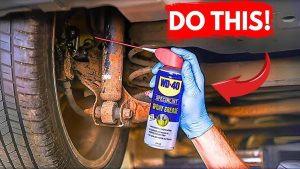
Credit: www.youtube.com
Preparing Your Car
Preparing your car properly before changing the brake fluid sets the foundation for a safe and effective job. Taking a few moments to get your vehicle ready can save you from headaches and potential hazards later on. Have you ever jumped into a task only to realize you forgot a crucial step? Avoid that by preparing your car carefully.
Check The Brake Fluid Level And Condition
Start by opening the hood and locating the brake fluid reservoir. It’s usually a small, translucent container near the back of the engine bay. Look at the fluid level and its color—clear or light yellow means good condition, while dark or dirty fluid signals it needs changing.
Knowing the current state of your brake fluid helps you decide if a full flush or just a top-up is necessary. Have you noticed how often brake fluid gets overlooked during routine checks?
Gather All Necessary Tools And Materials
Make sure you have everything ready before you begin. Common items include fresh brake fluid (check your owner’s manual for the correct type), a wrench to open bleeder valves, a clear hose, a catch container, and gloves to protect your hands.
Having these tools at hand prevents interruptions and keeps the process smooth. What’s worse than halfway through a job and realizing you don’t have the right fluid or tools?
Secure Your Vehicle Safely
Park your car on a level surface and engage the parking brake firmly. Place wheel chocks behind the tires to keep the car from rolling. If you plan to lift the car, use a reliable jack and sturdy jack stands for extra safety.
Never underestimate the importance of a stable working environment—your safety depends on it. Are you confident your setup keeps your car from shifting while you work?
Wear Protective Gear
Brake fluid is corrosive, so it’s important to protect your skin and eyes. Wear gloves and safety glasses before starting any work. Even a small splash can cause irritation or damage.
Taking this simple precaution keeps you safe throughout the fluid change. Do you have your protective gear ready before touching the brake system?
Step-by-step Brake Fluid Replacement
Changing brake fluid keeps your car’s brakes working safely and smoothly. Old fluid can absorb moisture, which reduces braking power. Fresh fluid helps avoid brake failure and extends brake parts’ life. Follow this clear, simple guide to replace brake fluid correctly.
Locate The Brake Fluid Reservoir
Open the car’s hood and find the brake fluid reservoir. It is a small, clear container near the back of the engine bay. Usually, it has a cap labeled “Brake Fluid.” Check the fluid level and color before starting.
Drain The Old Fluid
Use a turkey baster or a brake fluid pump to remove old fluid from the reservoir. Dispose of it safely as brake fluid is toxic. Next, open the bleeder valves on each brake caliper to drain fluid from the brake lines. Have a container ready to catch the fluid.
Refill With New Brake Fluid
Pour new brake fluid into the reservoir slowly. Use the type recommended in your car’s manual. Keep the reservoir topped up during the bleeding process to prevent air from entering the system.
Bleed The Brake System
- Start with the brake furthest from the reservoir, usually the rear passenger side.
- Have an assistant press the brake pedal several times, then hold it down.
- Open the bleeder valve to let fluid and air escape.
- Close the valve before the assistant releases the pedal.
- Repeat until clear fluid flows without air bubbles.
- Move to the next brake and repeat the process.
Check For Leaks And Test Brakes
Inspect all bleeder valves and brake lines for leaks. Tighten if needed. Press the brake pedal to check for firmness. The pedal should not feel spongy. Take a slow test drive to ensure brakes respond well.

Credit: www.youtube.com

Credit: www.reddit.com
Frequently Asked Questions
How Often Should Brake Fluid Be Changed?
Brake fluid should be changed every 2 years or 30,000 miles. This prevents moisture buildup, which reduces braking efficiency and avoids corrosion in the brake system.
What Tools Are Needed To Change Brake Fluid?
You need a wrench, brake fluid, a clear tube, a container, and a brake bleeder kit. Safety gloves and goggles are also recommended.
Can I Use Any Type Of Brake Fluid?
No, always use the brake fluid specified in your car’s manual. Using the wrong type can damage the brake system and reduce performance.
What Are Signs That Brake Fluid Needs Changing?
Signs include a soft brake pedal, longer stopping distances, or brake warning lights. Dark or dirty fluid also indicates it’s time for a change.
Conclusion
Changing brake fluid keeps your car safe and working well. Clean fluid helps brakes respond quickly. Check fluid levels regularly to avoid problems. Use the right tools and follow steps carefully. Take your time to avoid mistakes. If unsure, ask a mechanic for help.
Regular brake fluid changes protect your car and you. Stay safe on the road.