
You want your car to run smoothly and last for years, right? One simple habit can make a big difference: changing your oil regularly.
But how often should you actually change the oil in your car? If you’re not sure, you’re not alone. Getting this wrong can lead to costly repairs or poor performance. Keep reading to discover the easy steps you can take to protect your engine, save money, and keep your car in top shape.
This guide will give you clear answers and practical tips you can use today.
Factors Influencing Oil Change Frequency
Several factors determine how often you should change your car’s oil. These elements affect oil quality and engine health. Knowing them helps keep your vehicle running smoothly. Pay attention to these points to avoid engine damage and costly repairs.
Type Of Oil Used
Different oils last for different times. Conventional oil needs changing more often than synthetic oil. Synthetic oils resist heat and breakdown better. They can extend the oil change interval. Always check the oil type in your car.
Driving Conditions
Harsh driving shortens oil life. Frequent stop-and-go traffic, extreme temperatures, and dusty roads wear out oil faster. Long highway drives cause less oil stress. Adjust oil change frequency based on your usual driving habits.
Car Make And Model
Older cars may need more frequent oil changes. Newer models have improved engines and use better oil. Some cars have sensors that alert you about oil condition. Know your car’s needs for proper maintenance.
Manufacturer Recommendations
Car makers provide oil change guidelines in the owner’s manual. These recommendations are based on extensive testing. Follow them closely to keep your warranty valid. They ensure your engine runs efficiently and lasts longer.

Credit: www.crossroadshelpline.com
Signs You Need An Oil Change
Knowing when your car needs an oil change can save you from costly repairs and keep your engine running smoothly. Your vehicle often gives clear signals that the oil is past its prime. Paying attention to these signs helps you avoid unexpected breakdowns and maintain peak performance.
Engine Noise And Performance
If your engine starts making louder or unusual noises, it might be time for an oil change. Fresh oil lubricates engine parts, reducing friction and noise. When oil gets old, it loses this ability, causing your engine to sound rough or even knock.
Have you noticed your car hesitating or struggling to accelerate? Poor oil condition can affect overall engine performance. Don’t ignore these changes—they often mean your oil isn’t protecting the engine as it should.
Oil Appearance And Level
Checking your oil’s color and level is one of the easiest ways to tell if it needs changing. Healthy oil is amber and translucent. If the oil looks dark, gritty, or thick, it has collected dirt and debris and is no longer effective.
Low oil levels can also signal a problem. If you find yourself topping up oil frequently, it’s a sign of leaks or excessive consumption. Make it a habit to check your oil regularly using the dipstick—this simple step can prevent serious engine damage.
Warning Lights On Dashboard
Modern cars come with warning lights that alert you to oil issues. The oil pressure or oil change light should never be ignored. When these lights turn on, it means your engine isn’t getting the oil it needs.
Ignoring these warnings can lead to severe engine damage. If you see these lights, check your oil immediately or visit a mechanic. Your dashboard is trying to tell you something important—are you listening?
Benefits Of Regular Oil Changes
Regular oil changes play a crucial role in keeping your car running smoothly. They help maintain your engine’s health and improve overall vehicle performance. Skipping this simple maintenance step can lead to costly repairs and reduce your car’s efficiency.
Engine Longevity
Changing your oil regularly helps remove dirt and debris that can damage engine parts. Fresh oil lubricates moving parts better, preventing wear and tear. Have you noticed how a car with neglected oil often struggles to start or runs roughly? That’s the engine showing signs of stress.
Keeping the oil clean and at the right level reduces friction and heat inside the engine. This means your engine will last longer and perform better over time. Think of it as giving your car the care it needs to stay reliable for years.
Improved Fuel Efficiency
Dirty or old oil makes your engine work harder, which uses more fuel. When you change your oil regularly, your engine runs smoothly and burns fuel more efficiently. This can save you money at the pump every time you drive.
Many drivers don’t realize that regular oil changes can improve miles per gallon (MPG). If you want to get the most out of every tank, keeping your oil fresh is a simple step you can take. Why pay more for fuel when a quick oil change can help you spend less?
Reduced Emissions
Clean oil helps your engine burn fuel cleaner, which reduces harmful exhaust emissions. This is better for the environment and can help your car pass emissions tests. If you care about your carbon footprint, regular oil changes are a practical way to make a difference.
Old oil can cause your engine to run inefficiently, increasing pollution. By keeping your oil fresh, you’re not just protecting your car—you’re also contributing to cleaner air. How often have you thought about the impact your car has on the environment?

Credit: craigscarcare.com
Tips For Maintaining Oil Quality
Maintaining the quality of your car’s oil is essential for keeping the engine running smoothly and avoiding costly repairs. Good oil quality means better lubrication, less wear, and improved fuel efficiency. Paying attention to simple habits can extend the life of your oil and protect your vehicle.
Choosing The Right Oil
Selecting the correct type of oil affects how well your engine performs. Check your owner’s manual to find the recommended oil viscosity and specification for your car. Using the wrong oil can lead to poor engine protection or even damage.
Consider synthetic oils if you want better performance and longer intervals between changes. Although they cost more upfront, many drivers find the extra expense worth it for the peace of mind and improved engine health. Have you ever noticed how your car runs smoother after switching to synthetic oil?
Checking Oil Levels Regularly
Regularly checking your oil level is a simple task that can save you from engine trouble. Make it a habit to check once a month or before long trips. Low oil levels can cause overheating and increased engine wear.
Remember to check the oil when the engine is cool and on a level surface for an accurate reading. Keep a clean rag handy to wipe the dipstick before reinserting it. If you spot dark, gritty, or low oil, it’s time to top up or change it.
When To Consult A Mechanic
If you notice unusual engine noises, smoke from the exhaust, or the oil warning light comes on, don’t wait to see a mechanic. These signs often indicate oil-related problems needing professional attention. Ignoring them can lead to serious engine damage.
Also, if you’re unsure about the right oil type or change intervals for your specific driving conditions, a mechanic can provide guidance. Have you ever delayed an oil change and regretted it later? Talking to a professional can help you avoid that scenario.
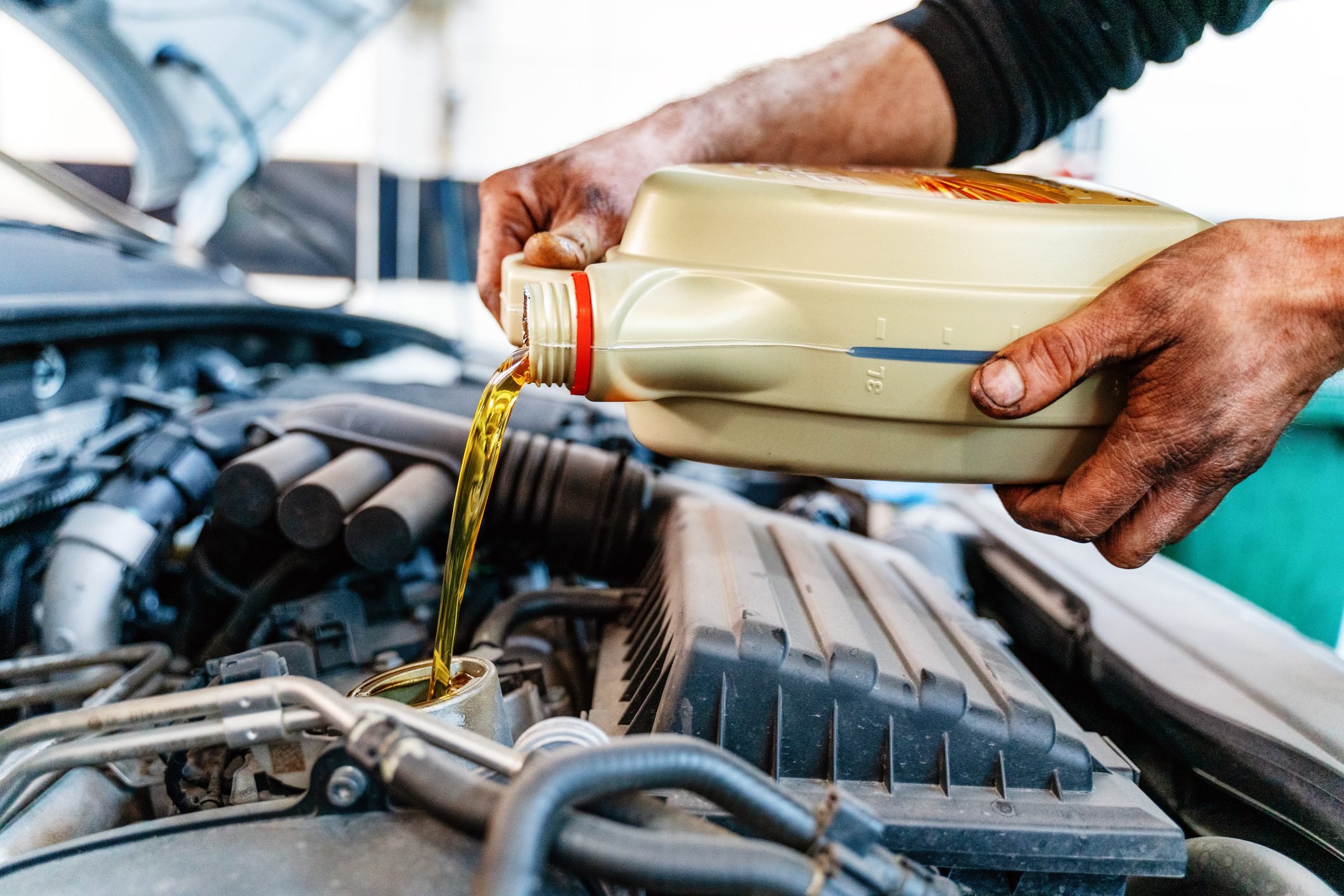
Credit: www.familyhandyman.com
Frequently Asked Questions
How Often Should I Change My Car’s Oil?
You should change your car’s oil every 5,000 to 7,500 miles. Check your owner’s manual for exact intervals. Regular changes keep your engine running smoothly and prevent damage.
Can Synthetic Oil Extend Oil Change Intervals?
Yes, synthetic oil lasts longer than conventional oil. It can extend oil change intervals up to 10,000 miles. Always follow your car manufacturer’s recommendations for best results.
What Signs Indicate It’s Time To Change Oil?
Look for dark, dirty oil and engine noise. Warning lights on your dashboard may also signal oil change needs. Regular checks help maintain engine health.
Does Driving Style Affect Oil Change Frequency?
Yes, frequent short trips and stop-and-go traffic increase oil degradation. Aggressive driving can also reduce oil life. Adjust oil change intervals based on your driving habits.
Conclusion
Changing your car’s oil regularly keeps the engine healthy. Follow the schedule in your owner’s manual. Old oil can cause damage and reduce performance. Clean oil helps your car run smoothly and last longer. Check oil levels often to avoid problems.
Remember, good care saves money on repairs later. Keep your car’s engine happy with timely oil changes. Simple steps make a big difference. Don’t wait until issues appear—act now for better driving.